
Billions Shared as Ugandans Struggle! The President Speaks Out
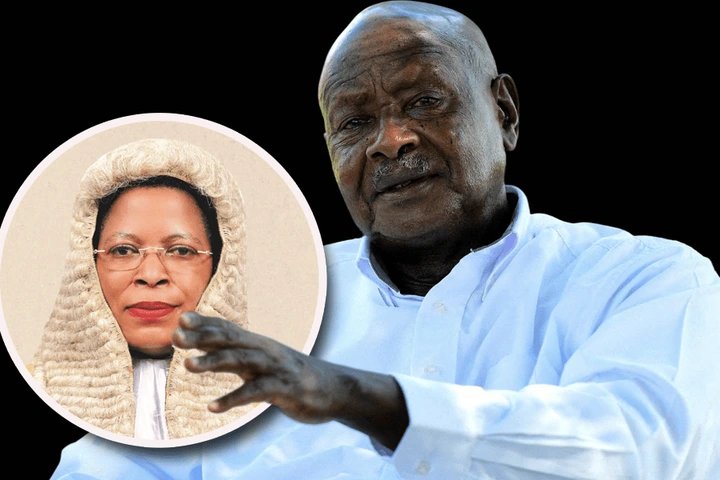

letter written by President Yoweri Museveni to the Attorney General, Hon. Kiryowa Kiwanuka, has caused serious public debate across Uganda. In the letter dated 3rd May 2024, the President raised strong concerns about the large “service awards†reportedly given to some Parliamentary Commissioners. According to the letter, about 1.7 billion shillings was shared among a few officials, including the Leader of Opposition and NRM-nominated commissioners. The President questioned whether such payments were legal, fair, and morally right at a time when many Ugandans are struggling with poverty and poor public services.
Museveni expressed disappointment that such huge amounts of money could be awarded to leaders who already earn high salaries and benefits. He wondered what special work these commissioners had done to deserve such rewards. The President also asked whether Parliament or the Committee on Legal Affairs ever discussed or approved the payments. His words showed concern that some leaders may be putting personal interests ahead of the needs of ordinary citizens.
In the letter, Museveni compared the situation to the past governments of Obote and Amin, where leaders were accused of using public offices to enrich themselves quickly. He described such behavior as “primitive accumulation of wealth,†a phrase often used to criticize greed and misuse of power. The President reminded leaders that Uganda fought hard against corruption and selfish leadership, and therefore public officials should not repeat the mistakes of the past.
Another important issue raised in the letter was accountability. Museveni asked whether the Inspector General of Government (IGG), the Criminal Investigations Directorate (CID), and the Director of Public Prosecutions (DPP) had started investigating the matter. He also wanted to know whether the service awards violated the Leadership Code or the Anti-Corruption Act. Even if the payments were not illegal, he argued that they still raised serious moral questions that should not be ignored.
The controversy has sparked mixed reactions among Ugandans. Some people support the President’s concerns and believe public money should be used to improve roads, hospitals, electricity, and education instead of rewarding already wealthy officials. Others believe the issue shows deeper problems within the country’s leadership and public institutions. Many citizens are now demanding more transparency and honesty from public servants.
This debate is not only about money. It is about trust, leadership, and responsibility. Ugandans want leaders who think about the people first and protect national resources. The President’s letter has reopened an important national conversation about corruption, accountability, and the true meaning of public service. Whether investigations will lead to action or not, the issue has already left many citizens questioning how public funds are managed in Uganda.


 Government will not gazette Kijanangoma as King of Tooro for now - Attorney General insists
Ultimate Uganda
Government will not gazette Kijanangoma as King of Tooro for now - Attorney General insists
Ultimate Uganda
 King Oyo’s Body to Arrive Thursday
Ultimate Uganda
King Oyo’s Body to Arrive Thursday
Ultimate Uganda
 Besigye, Lukwago expected to meet Gen. Salim Saleh today at Kapeeke
Ultimate Uganda
Besigye, Lukwago expected to meet Gen. Salim Saleh today at Kapeeke
Ultimate Uganda
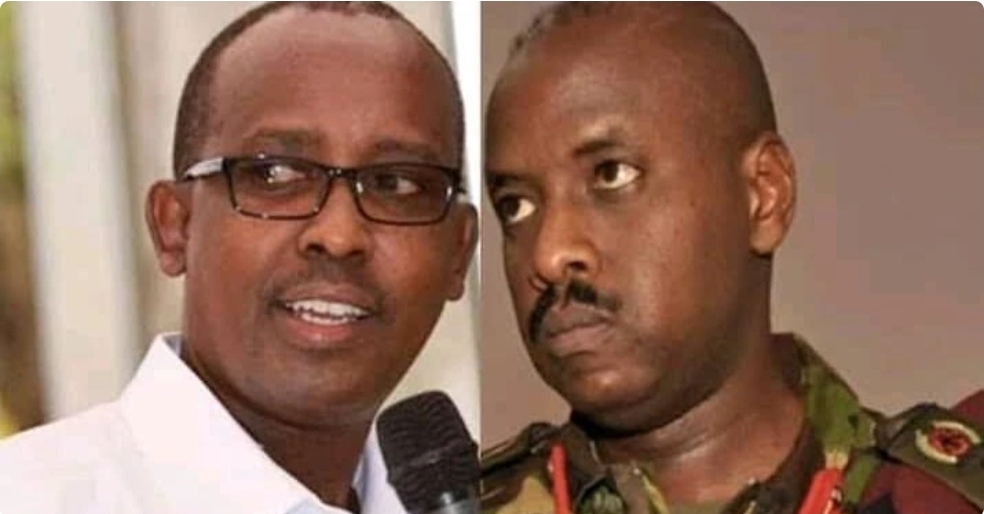 Rwabwogo Advised to ‘Eat His Bishop’ As MK Prepares to Enter State H’se: PREZ MUSEVENI ON HIS WAY OUT
Ultimate Uganda
Rwabwogo Advised to ‘Eat His Bishop’ As MK Prepares to Enter State H’se: PREZ MUSEVENI ON HIS WAY OUT
Ultimate Uganda
0 Comments