
Otafiire says Kiryowa Kiwanuka was the key architect of Sovereignty Law
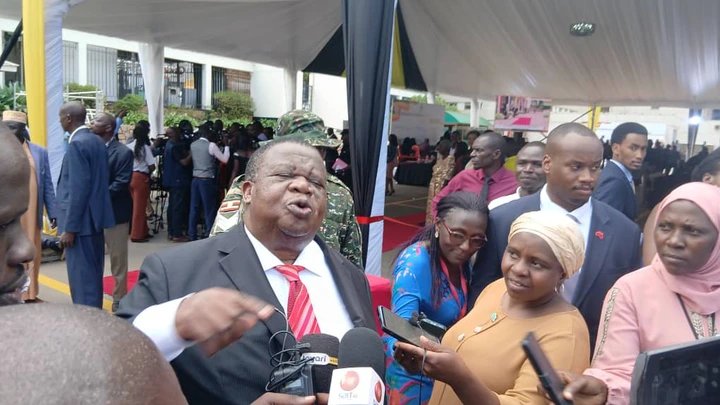

Kahinda Otafiire speaking to journalists after swearing in. He distanced himself from the controversial Protection of Sovereignty Bill, which was passed into law by the 11th Parliament
The minister of Internal Affairs, Gen Kahinda Otafiire, has distanced himself from the recently passed Protection of Sovereignty Bill, 2026, saying Attorney General Kiryowa Kiwanuka was the key government official behind the legislation.
Speaking to journalists shortly after being sworn in as MP for Ruhinda in Mitooma, Otafiire dismissed claims that he personally pushed the controversial law through Parliament despite being the line minister under whose docket the bill falls.
“You journalists, what do you want from me?†Otafiire said amid laughter from reporters.
“Who told you that I was pushing the sovereignty bill? I think you mistook me for Attorney General Kiryowa Kiwanuka.â€
He said Kiwanuka took the lead role in steering and revising the legislation and urged the public to stop blaming him for the bill.
The Protection of Sovereignty Bill, 2026, was passed at the tail end of the 11th Parliament earlier this month.
The law seeks to regulate foreign influence in Uganda’s political, civic, and governance activities in what the government describes as an effort to protect national sovereignty.
Kiwanuka introduced several amendments aimed at narrowing the scope of the bill following criticism from civil society groups and legal experts.
His revisions also narrowed the definition of a “foreigner†and exempted legitimate activities such as humanitarian aid, remittances, foreign direct investment, academic work, faith-based activities, and lawful financial transactions from mandatory registration requirements.
Under the law, individuals or organisations acting on behalf of foreign entities in political activities will be required to register with authorities, renew licences every two years, and undergo suitability checks.
The legislation also provides penalties of up to Shs1 billion in fines or imprisonment of up to 10 years for operating without registration.
Despite the amendments, the law remains controversial. Critics of the law argue that its broad interpretation of “political activities†and strict licensing requirements could undermine constitutional freedoms and restrict political freedoms.


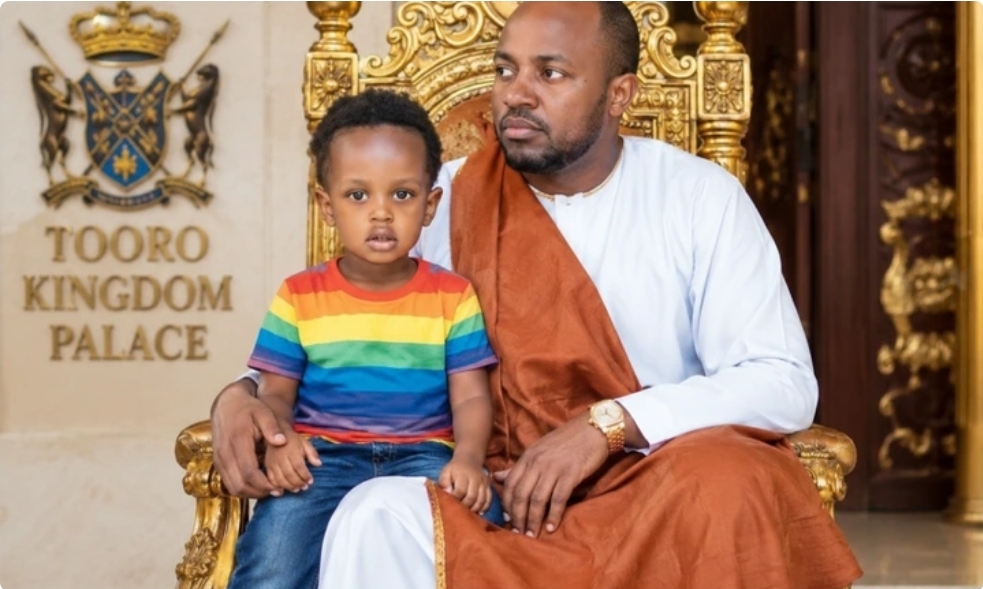 The women who have been in King Oyo’s life
Ultimate Uganda
The women who have been in King Oyo’s life
Ultimate Uganda
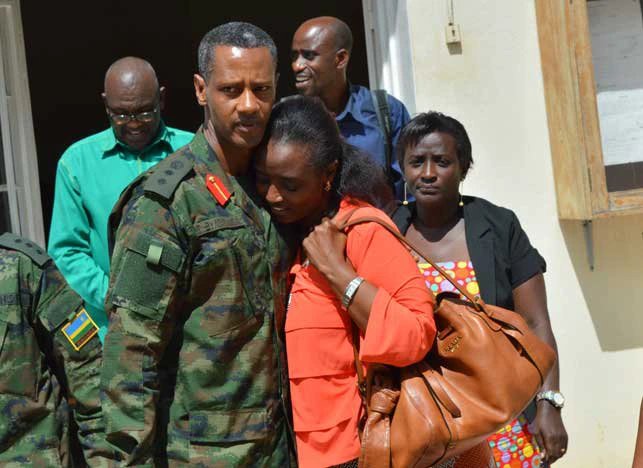 Ex Kagame Guard Commander Tom Byabagamba Dies in Rwandan Prison After 12 Years
Ultimate Uganda
Ex Kagame Guard Commander Tom Byabagamba Dies in Rwandan Prison After 12 Years
Ultimate Uganda
 Government begins salary payments for public sector workers – Reform Committee
Ultimate Uganda
Government begins salary payments for public sector workers – Reform Committee
Ultimate Uganda
 Temangalo land: NSSF, Nzenyi reach agreement
Ultimate Uganda
Temangalo land: NSSF, Nzenyi reach agreement
Ultimate Uganda
0 Comments