
SPECIAL REPORT | From Parliament to Power Lines: Ssekandi’s Clean Hands, Generous Heart and Quiet Leadership Continue to Illuminate Masaka
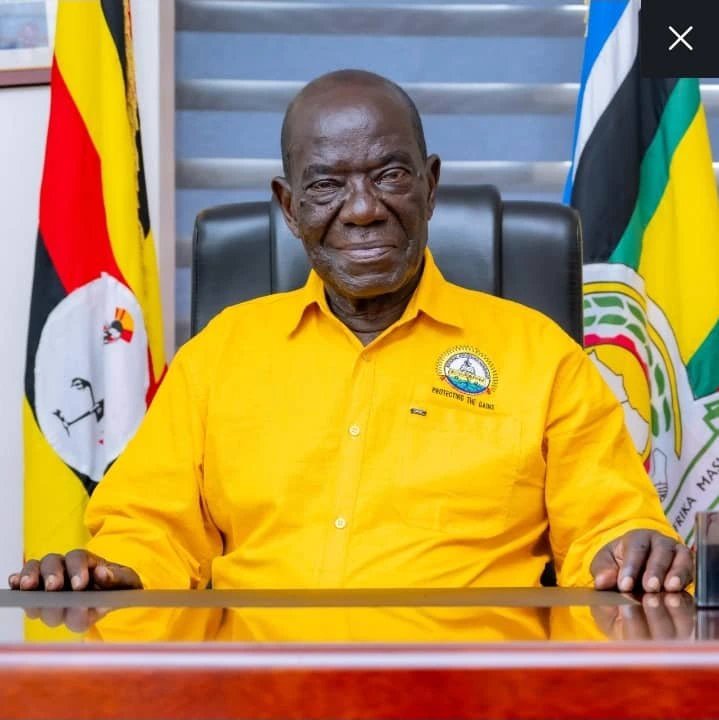

Masaka — In politics, many leaders rise like thunderstorms — loud, dramatic and impossible to ignore — only to disappear leaving behind debris of broken trust and corruption scandals. But others move like the River Nile itself: calm, steady and life-giving to the communities around them.
For decades, Edward Kiwanuka Ssekandi has belonged to the second category.
Soft-spoken yet firm, humble yet influential, Ssekandi has built a political legacy many observers describe as “a tree whose fruits continue feeding generations long after the planter has rested.â€
In an era where public offices have sometimes become feeding troughs for selfish interests, Ssekandi’s name has largely remained untouched by the mud of corruption and embezzlement allegations. During his years as Speaker of Parliament and later Vice President, no major scandal of theft of public resources or abuse of office substantially darkened his public image — a rare political achievement in modern African governance.
Political analysts often say that “power corrupts where character is absent.†Yet Ssekandi’s supporters argue that he governed with what elders call “clean hands and a clean heart.â€
“He climbed the political ladder without stepping on the backs of ordinary people,†one elder in Masaka remarked. “Even after holding high office, his name still carries respect because he never allowed greed to eat his legacy.â€
Indeed, in many corners of Masaka, Ssekandi is remembered not merely as a statesman, but as a development activist whose quiet generosity continues to shape the region like rain nurturing a harvest season.
THE FIVE ACRES THAT SPOKE LOUDER THAN SPEECHES
Among the strongest symbols of Ssekandi’s community spirit is his contribution of approximately five acres of land toward the establishment and expansion of the Masaka District Headquarters.
In Buganda culture, land is not just soil.
Land is wealth.
Land is identity.
Land is family honour.
That is why many residents say Ssekandi’s decision to dedicate part of his land for public service reflected “a heart bigger than politics.â€
While some leaders build mansions that touch the clouds, supporters say Ssekandi chose to build institutions that would serve generations.
“An empty drum makes the loudest noise,†one local leader observed. “But Ssekandi allowed actions to speak for him.â€
Today, the Masaka District Headquarters stands not merely as an administrative centre, but as a living monument to leadership rooted in sacrifice and public responsibility.
To many residents, the gesture transformed him into what locals fondly describe as “a landlord who opened his gate for the community.â€
A LEADER WHO LEFT OFFICE WITH HIS NAME INTACT
In politics, reputations are often buried beneath the weight of ambition.
Many leaders enter office carrying white garments of promise only to leave stained by corruption accusations and public distrust.
But Ssekandi’s political journey has largely remained different.
As Speaker of Parliament between 2001 and 2011, he cultivated a leadership style built on calmness, constitutional discipline and moderation. Rather than governing like a battlefield commander, he governed like a village elder resolving disputes beneath a tree — patiently, carefully and with restraint.
Observers say he understood an old African proverb well: “The higher the monkey climbs, the more people see its tail.â€
For that reason, supporters argue, he chose caution over recklessness and service over self-enrichment.
Even years after leaving high office, his reputation continues standing firm like a well-built house surviving heavy storms.
Political commentators say that in Uganda’s evolving democratic history, Ssekandi remains one of the few senior leaders whose public image escaped the chains of major corruption scandals.
FROM DARKNESS TO DEVELOPMENT
Today, Ssekandi’s philosophy of servant leadership is increasingly visible through ongoing electrification efforts across Kyanamukaka and surrounding areas in Masaka District.
For decades, many villages remained trapped in darkness while urban centres moved ahead with development.
Students revised books under weak paraffin lamps.
Businesses closed before nightfall.
Farmers harvested coffee and milk without electricity needed for value addition.
Residents often described their situation using a painful proverb: “The child without a mother learns to sleep hungry.â€
But hope is slowly returning.
Through coordination involving Ssekandi’s office, the Ministry of Energy headed by Ruth Nankabirwa and programmes under Yoweri Kaguta Museveni, technical teams from Uganda Electricity Transmission Company Limited have commenced electricity feasibility studies and route surveys across parts of Masaka.
For residents who watched development “pass above them like birds flying to better nests,†the sight of engineers entering villages has become a sign that government has finally remembered the forgotten.
That same spirit of humility and mobilisation is increasingly being amplified by Mr. Oscar Mutebi, Ssekandi’s Personal Assistant and Private Secretary at State House.
Across Masaka, Mutebi has become known for moving closely with ordinary citizens rather than remaining confined within political offices.
Observers say his grassroots approach reflects Ssekandi’s long-standing mentorship philosophy — that leadership should walk in the gardens of the people, not merely speak from air-conditioned boardrooms.
During community mobilisation meetings in Kyanamukaka, Mutebi has repeatedly defended Ssekandi’s legacy as one built on patriotism, generosity and development.
“Rt. Hon. Ssekandi believes leadership must improve the lives of ordinary citizens,†Mutebi said during a recent gathering. “That is why he supported public institutions, gave land for community service and continues advocating for rural transformation.â€
Then came the phrase that spread across the gathering like wildfire in the dry season:
“A village without electricity is like a body without blood circulation.â€
Residents applauded loudly because the statement captured decades of frustration and hope in equal measure.
A LEGACY THAT WILL OUTLIVE POLITICS
As Uganda continues navigating political transition and generational change, many believe Ssekandi’s greatest achievement is not the offices he occupied, but the respect he preserved.
His legacy now lives in institutions.
It lives in the land he gave for public service.
It lives in communities gaining hope through development.
And it lives in young mobilisers like Oscar Mutebi who continue carrying forward the philosophy that leadership should serve people first.
For many in Masaka, Ssekandi’s story proves another timeless African saying:
“A good name is better than riches.â€
And perhaps that is why, even after leaving high office, his name still shines across Masaka like a lantern guiding people through the darkness toward hope.


 The women who have been in King Oyo’s life
Ultimate Uganda
The women who have been in King Oyo’s life
Ultimate Uganda
 Ex Kagame Guard Commander Tom Byabagamba Dies in Rwandan Prison After 12 Years
Ultimate Uganda
Ex Kagame Guard Commander Tom Byabagamba Dies in Rwandan Prison After 12 Years
Ultimate Uganda
 Government begins salary payments for public sector workers – Reform Committee
Ultimate Uganda
Government begins salary payments for public sector workers – Reform Committee
Ultimate Uganda
 Temangalo land: NSSF, Nzenyi reach agreement
Ultimate Uganda
Temangalo land: NSSF, Nzenyi reach agreement
Ultimate Uganda
0 Comments