
URA fined Shs138 million for taxing church-based NGO which imported soya cereal for refugees
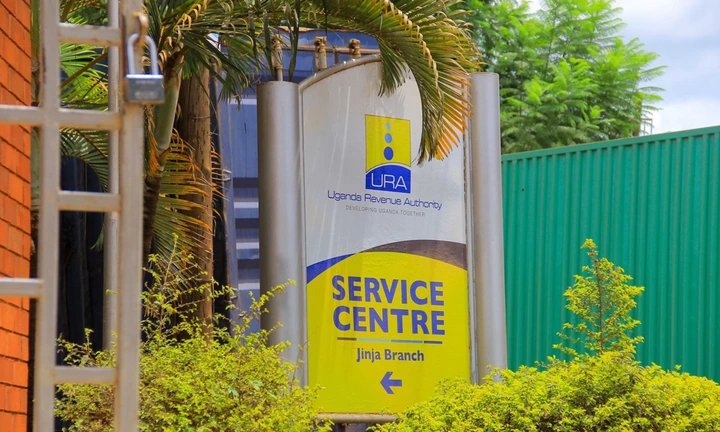

The High Court has ordered the Uganda Revenue Authority (URA) to refund more than Shs 73.5 million to the Pentecostal Assemblies of God (PAG) after ruling that the tax body illegally collected Value Added Tax (VAT) on humanitarian food aid imported for South Sudanese refugees.
In addition, Justice Susan Odongo also awarded the faith-based organisation Shs 65 million in general damages and criticised URA for what she described as “fiscal aggression†and disregard of the law.
The dispute arose after PAG imported super cereal, also known as Corn Soya Blend Plus, between 2017 and 2021 for vulnerable refugees living in West Nile who had fled conflict in South Sudan.
PAG is a Christian religious and humanitarian organisation involved in evangelism, charity work and relief operations mainly in West Nile.
According to court records, the organisation imported food supplements intended for lactating mothers and vulnerable children in refugee settlements.
Initially, URA cleared the imports without charging taxes. However, after carrying out a post-entry review, the tax authority changed its position and issued a VAT assessment of Shs 123.6 million on October 20, 2021.
URA argued that the imported goods were standard-rated and therefore taxable.
The orgnaisation objected to the assessment through a letter dated November 4, 2021, insisting that the goods qualified for tax exemption under the East African Community Customs Management Act because they were emergency humanitarian relief items.
Under the law, URA had 30 days to respond to the objection.
The court heard that URA never communicated a formal decision within the required period.
Instead, years later, the authority moved to enforce the tax demand by impounding the organisation’s vehicles and deactivating its Tax Identification Number (TIN).
The matter went to court.
After hearing both sides, Justice Odongo said that because URA failed to respond within 30 days, PAG’s objection was automatically deemed successful under Section 229(5) of the East African Community Customs Management Act.
“By operation of law, the assessment in question ceased to exist on the 16th of December 2021. Any subsequent attempt by URA to enforce a non-existent demand including the impounding of PAG’s fleet in 2023 was not merely irregular but ultra vires, null, and void ab initio,†she ruled.
The court heard that despite the expiry of the assessment, URA later issued warrants of distress and instructed Armstrong Limited Bailiffs to seize the organisation’s vehicles used in relief operations.
Among the impounded vehicles were a Toyota Land Cruiser, Toyota Kluger and a Coaster bus.
The vehicles reportedly remained grounded for nearly five months.
Th also complained that URA deactivated its TIN, making it impossible to clear other imports, including Bibles and humanitarian supplies.
The organisation argued that the actions paralysed its operations and exposed it to public ridicule.
Court records show that URA failed to file written submissions despite being given timelines by the court.
PAG argued that URA had illegally collected money on goods that were exempt under regional customs law.
The church organisation further argued that retaining the money amounted to unjust enrichment by the state.
PAG also asked court to order a refund of Shs 73.5 million paid in 2019 and to award damages for the disruption caused by URA’s enforcement actions.
Justice Odongo agreed that the retention of such funds by URA constitutes unjust enrichment on the part of the state.
“To grant a paper victory while the URA keeps the taxpayer’s millions is a denial of substantive justice that this court cannot sanction,†she said.
She said taxes collected without legal authority must always be refunded.
Justice Odongo further criticised URA’s handling of the matter after the expiry of the legal timelines.
“To attempt to resurrect such a demand two years later through the digital death sentence of TIN deactivation and the physical seizure of property is not merely an administrative error; it is an act of fiscal aggression,†Justice Odongo said.
She also emphasised the humanitarian nature of PAG’s work.
“When URA grounded a religious charity’s fleet for five months, it did not just seize metal and wheels; it paralyzed the delivery of life-saving aid to lactating mothers and vulnerable refugees,†she ruled.
Justice Odongo dismissed URA’s appeal in its entirety and allowed PAG’s cross-appeal.
URA was ordered to refund PAG Shs 73.5 million collected as VAT, with interest at 2% per month compounded from June 11, 2019 until full payment.
The court also awarded PAG Shs 65 million in general damages for what it called illegal enforcement measures.
Stephen Kabuye and Eseza Victoria Sendege from URA’s department of Legal Services represented the tax authority while PAG was represented by David Amanya of Angura & Co Advocates.


 Starlink goes live in Uganda; price comparisons against MTN, Airtel
Ultimate Uganda
Starlink goes live in Uganda; price comparisons against MTN, Airtel
Ultimate Uganda
 NSSF sets September 24 for Annual Members Meeting as savers await interest rate declaration
Ultimate Uganda
NSSF sets September 24 for Annual Members Meeting as savers await interest rate declaration
Ultimate Uganda
 Boda boda riders launch e-commerce, digital loans platform
Ultimate Uganda
Boda boda riders launch e-commerce, digital loans platform
Ultimate Uganda
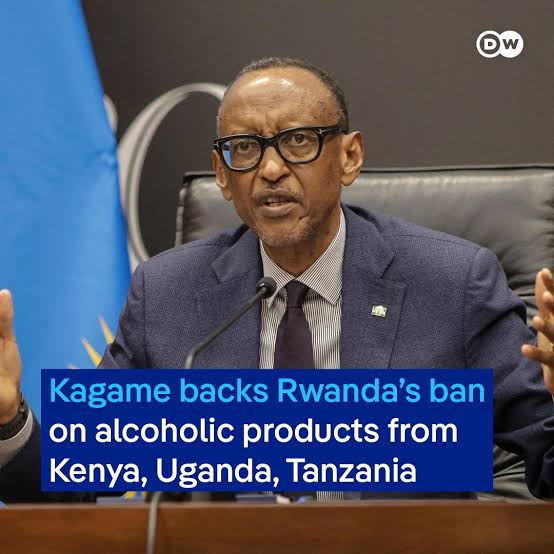 Rwanda: We Cannot Sit and Watch As Illicit Alcohol Kills People - Kagame
Ultimate Uganda
Rwanda: We Cannot Sit and Watch As Illicit Alcohol Kills People - Kagame
Ultimate Uganda
0 Comments