
Inside the Meeting: Museveni Reportedly Confronts Kadaga Over Alleged Witchcraft Plot
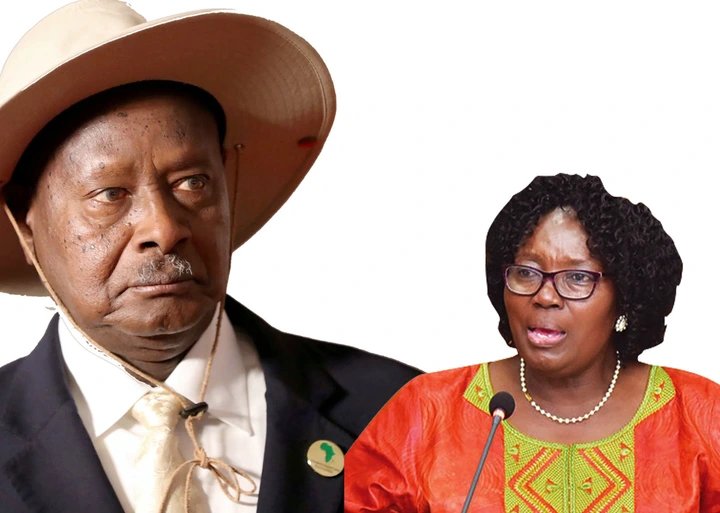

dramatic account shared by journalist Andrew Mwenda has sparked intense debate across Uganda’s political and social media spaces after he described an alleged high-level State House meeting in which President Yoweri Museveni confronted former Speaker Rebecca Kadaga over claims that she had sought the services of a witch doctor to harm him and members of his inner circle.
Mwenda made the explosive claims during an appearance on the ‘Bad Natives Podcast’ alongside veteran journalists Charles Onyango-Obbo and Robert Kabushenga.
According to Mwenda, the closed-door meeting was attended by Museveni, Kadaga, current Speaker Anita Annet Among, Gen. Proscovia Nalweyiso, and three bishops. While the gathering had reportedly been expected to focus on political tensions surrounding Anita Among, Museveni allegedly shifted attention to Kadaga and confronted her over claims of engaging in witchcraft.
Mwenda claimed the President presented audio and video recordings allegedly showing Kadaga consulting a traditional healer in a plot aimed at spiritually attacking several senior figures within the ruling establishment. Those reportedly targeted included Museveni himself, First Lady Janet Museveni, Gen. Salim Saleh, Gen. Muhoozi Kainerugaba, and Anita Among.
According to Mwenda’s narration, the atmosphere inside the meeting was tense and surreal, reflecting the unusual intersection of politics, power, religion, and traditional beliefs that continues to shape sections of Ugandan society.
Sources quoted in the discussion alleged that the evidence presented was so overwhelming that Kadaga reportedly broke down emotionally and admitted to participating in the alleged spiritual scheme. Mwenda claimed she confessed by saying words to the effect of: “Indeed, I was trying to bewitch you and the entire family.â€
The allegations, though unverified independently, have added another dramatic layer to the long-running political rivalry between Kadaga and Anita Among within the ruling National Resistance Movement.
The Political Background
For years, Rebecca Kadaga was considered one of the most powerful figures in Uganda’s political establishment, particularly in the Busoga sub-region, where she built a loyal political base during her nearly two decades as Speaker of Parliament.
However, her political dominance appeared to weaken following Anita Among’s rapid rise and eventual victory in the contest for Speaker. Reports of internal party tensions intensified after Among reportedly defeated Kadaga overwhelmingly in internal political processes, signaling a major shift in alliances within the ruling party.
Kadaga has since remained politically active and is reportedly positioning herself for the influential role of NRM National Vice Chairperson for Eastern Uganda — a move analysts say could further deepen rivalries within the party.
To some observers, the alleged witchcraft accusations reflect the growing desperation and mistrust inside Uganda’s power circles as competition for influence intensifies ahead of future political transitions.
Reactions and Public Debate
Mwenda used the story to illustrate what he described as President Museveni’s deep suspicion of powerful political actors who accumulate independent influence. He argued that the President closely monitors political networks and reacts swiftly whenever he perceives potential threats within the system.
During the podcast discussion, Onyango-Obbo and Kabushenga reportedly expressed caution and skepticism about aspects of the story while acknowledging that Uganda’s elite politics often involve intense intrigue, mistrust, and unconventional beliefs.
The story has since spread rapidly across social media platforms, generating heated debate. While some Ugandans dismissed the claims as political propaganda or character assassination, others argued that belief in witchcraft and spiritual warfare remains deeply rooted in parts of African political culture.
Memes, jokes, and commentary flooded online spaces, with many users expressing disbelief that such accusations could emerge at the highest levels of government.
Kadaga’s allies have largely remained quiet publicly, although some supporters insist she is being unfairly targeted despite decades of loyalty to Museveni and the ruling movement.
What It Means
Whether viewed as literal truth, political theater, or symbolic power struggle, the episode reveals the extraordinary tensions simmering beneath Uganda’s political establishment.
It also highlights how traditional beliefs, religion, intelligence networks, and political competition continue to intersect in Uganda’s governance landscape.
As Uganda moves toward future electoral contests and succession debates, the rivalry between old political guards and emerging power centers appears increasingly intense.
For now, the story continues to dominate political conversations from Kampala talk shows to village trading centers — reinforcing the perception that in Ugandan politics, almost nothing is considered impossible.


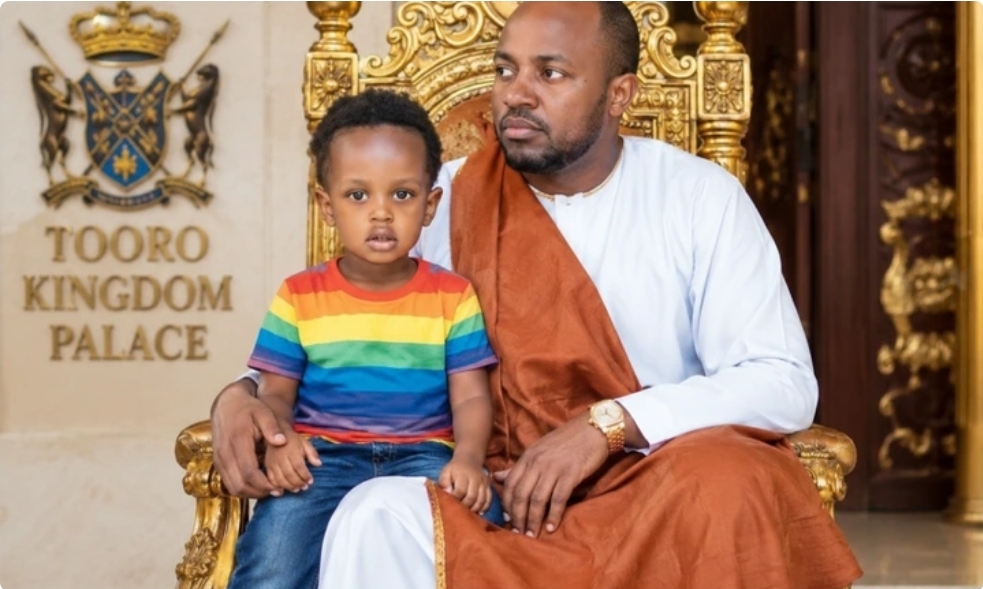 The women who have been in King Oyo’s life
Ultimate Uganda
The women who have been in King Oyo’s life
Ultimate Uganda
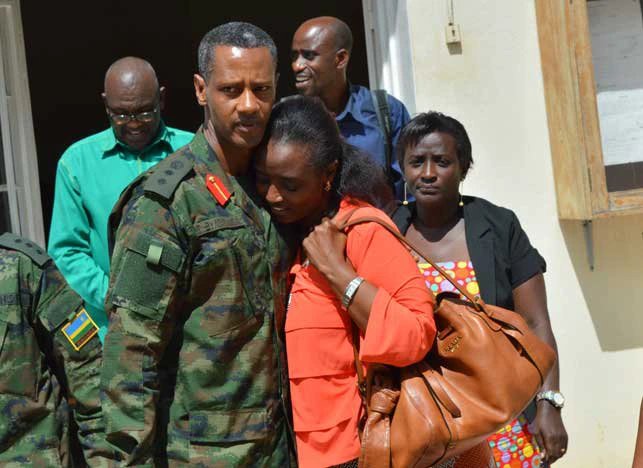 Ex Kagame Guard Commander Tom Byabagamba Dies in Rwandan Prison After 12 Years
Ultimate Uganda
Ex Kagame Guard Commander Tom Byabagamba Dies in Rwandan Prison After 12 Years
Ultimate Uganda
 Government begins salary payments for public sector workers – Reform Committee
Ultimate Uganda
Government begins salary payments for public sector workers – Reform Committee
Ultimate Uganda
 Temangalo land: NSSF, Nzenyi reach agreement
Ultimate Uganda
Temangalo land: NSSF, Nzenyi reach agreement
Ultimate Uganda
0 Comments