
Influencing the Sovereignty Bill: How It Will Affect NGOs in Uganda and Across the World
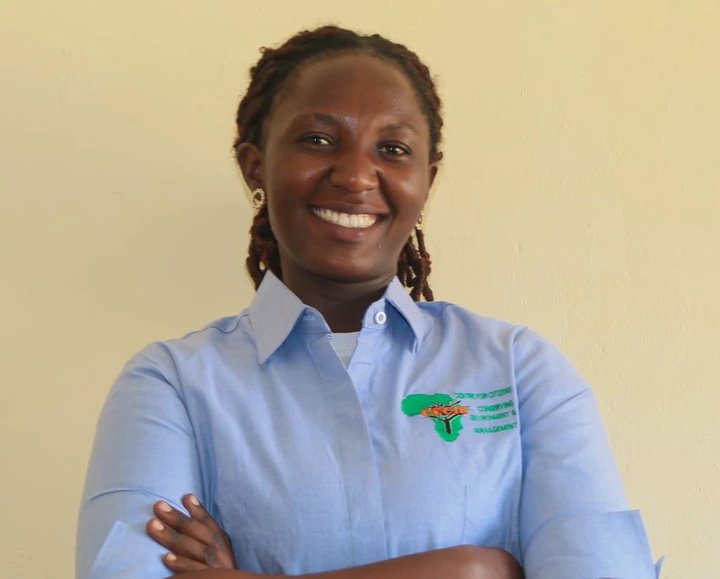

The debate surrounding sovereignty protection laws has become increasingly significant across developing nations where governments seek stronger control over foreign influence and civil society. In Uganda, discussions around the proposed Sovereignty Bill have raised concerns among non-governmental organizations, development partners, human rights defenders and environmental activists. Supporters argue the bill protects national independence and prevents foreign interference. Critics, however, fear it could shrink civic space, weaken democratic participation and limit the operational freedom of NGOs that drive development and humanitarian work.
Globally, sovereignty-related legislation is becoming more common. Governments in several countries argue that some foreign-funded organizations operate as agents of external interests rather than national development partners. Consequently, new regulations have emerged to monitor NGO financing, advocacy campaigns and partnerships. These laws carry immense implications because NGOs contribute significantly to education, healthcare, climate justice and community empowerment.
In Uganda, NGOs have historically supplemented government efforts where state resources are limited. They provide healthcare in remote communities, support refugees, promote climate adaptation, protect wetlands and advocate for human rights. Therefore, any legislation affecting their operations has the potential to reshape the country’s development landscape.
Supporters claim some foreign organizations interfere in political affairs and fund activities that contradict national values. They argue Uganda has the right to protect its political independence, cultural identity and national security. This perspective is rooted in the principle that national development should be driven by local priorities rather than external agendas.
However, civil society groups worry that broad sovereignty laws can easily be used to suppress criticism, silence advocacy and restrict freedom of expression. NGOs fear increased surveillance, stricter registration requirements and limitations on foreign funding. These anxieties mirror experiences in countries like Russia, India, Hungary and Nicaragua, where governments introduced laws regulating foreign-funded groups.
The biggest threat to Ugandan NGOs is financial. Many rely heavily on foreign donors to implement projects in health, agriculture and humanitarian assistance. Strict funding regulations could force smaller local NGOs to close projects, lay off staff and reduce support for vulnerable communities.
The health sector could face severe consequences. NGOs and international partners contribute significantly to Uganda’s healthcare system through HIV/AIDS programs, maternal health services and vaccination campaigns. Limiting these partnerships or imposing complex approval procedures risks reducing medical access for rural populations.
Environmental and climate organizations face similar hurdles. This issue is particularly sensitive regarding oil development projects such as the East African Crude Oil Pipeline. Activists criticizing the environmental risks of these projects are often accused of undermining national economic interests. The Sovereignty Bill could intensify these tensions between the government and environmental advocacy groups.
Furthermore, humanitarian operations could be heavily complicated. Uganda hosts one of the largest refugee populations in Africa, with families fleeing conflict in South Sudan, Sudan and the Democratic Republic of Congo. Restrictive laws that delay funding or project approvals would directly impact the delivery of food, shelter and clean water to these vulnerable communities.
Internationally, donor countries and development agencies may reconsider partnerships with governments perceived to be restricting civic freedoms, affecting foreign aid and diplomatic relations. At the same time, this debate intersects with broader discussions about decolonization and local ownership of development, emphasizing African-led solutions to African problems.
Ultimately, NGOs are not enemies of sovereignty; many are vital partners in national development. While governments have a legitimate responsibility to ensure that organizations operate transparently and comply with national laws, the challenge is ensuring that regulation does not become repression.
Uganda stands at an important crossroads. National sovereignty and civic freedoms should not be viewed as opposing forces, but as complementary principles that promote justice, accountability and inclusive development. The future of Uganda’s development landscape depends on whether leaders choose collaboration over confrontation, and balanced regulation over excessive control.


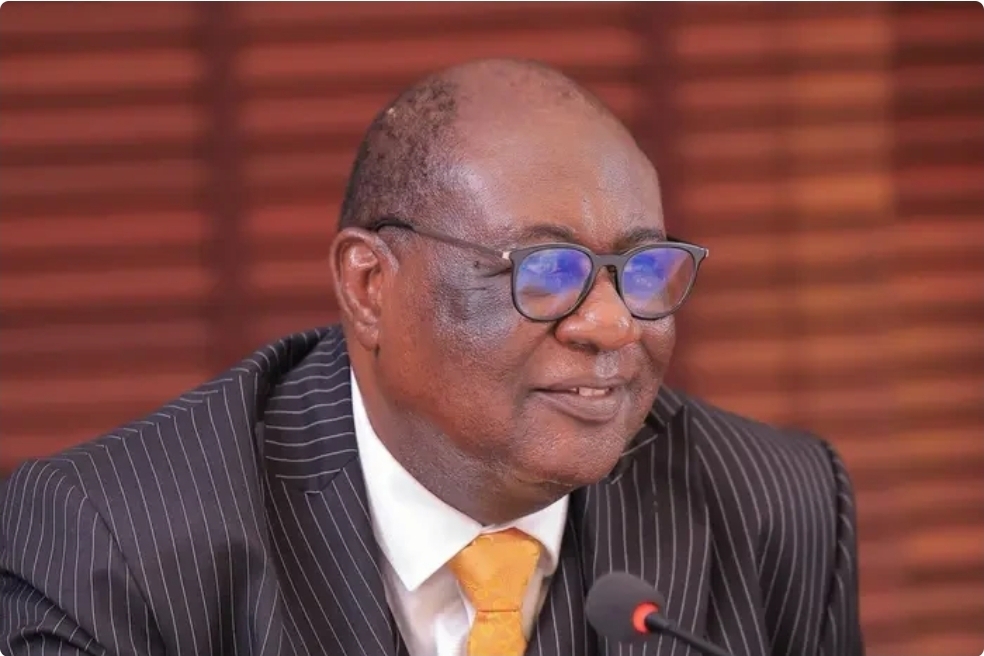 Government will not gazette Kijanangoma as King of Tooro for now - Attorney General insists
Ultimate Uganda
Government will not gazette Kijanangoma as King of Tooro for now - Attorney General insists
Ultimate Uganda
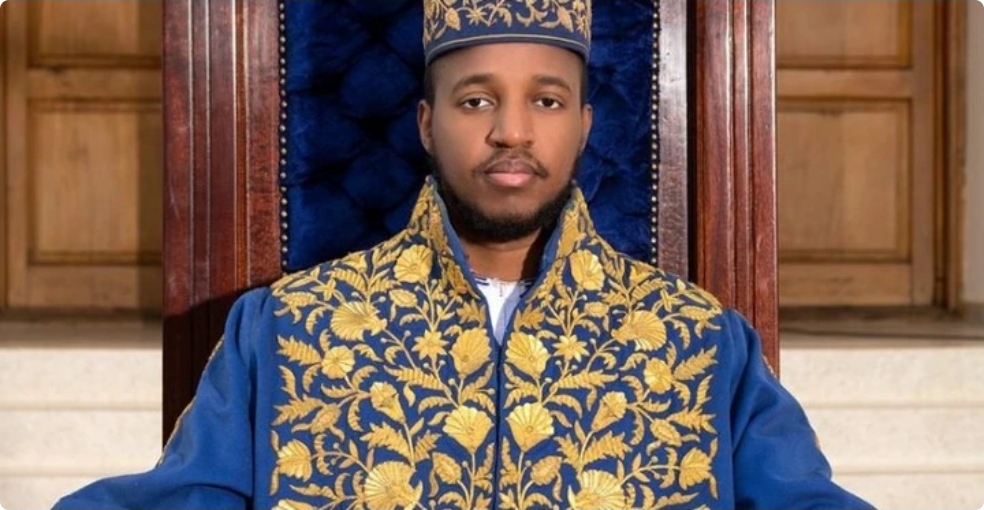 King Oyo’s Body to Arrive Thursday
Ultimate Uganda
King Oyo’s Body to Arrive Thursday
Ultimate Uganda
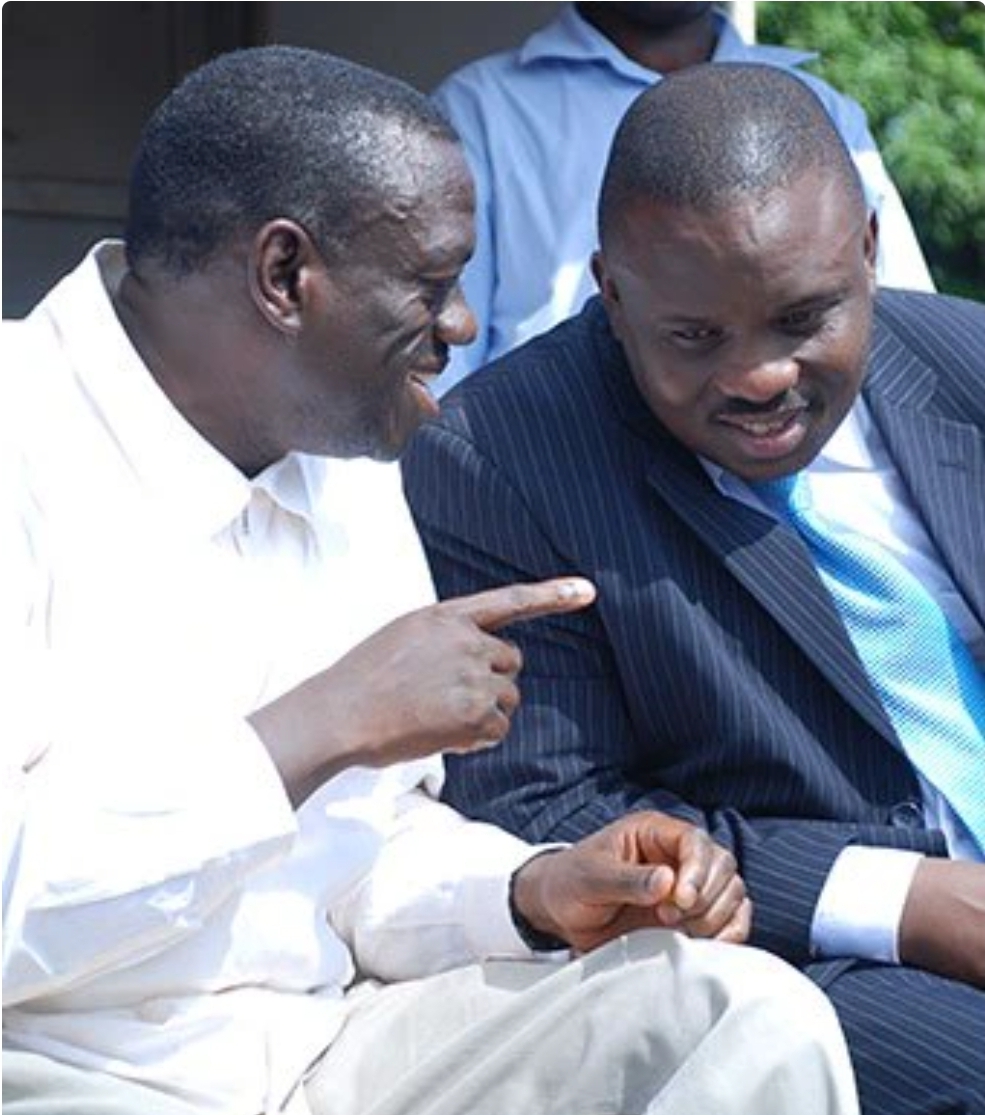 Besigye, Lukwago expected to meet Gen. Salim Saleh today at Kapeeke
Ultimate Uganda
Besigye, Lukwago expected to meet Gen. Salim Saleh today at Kapeeke
Ultimate Uganda
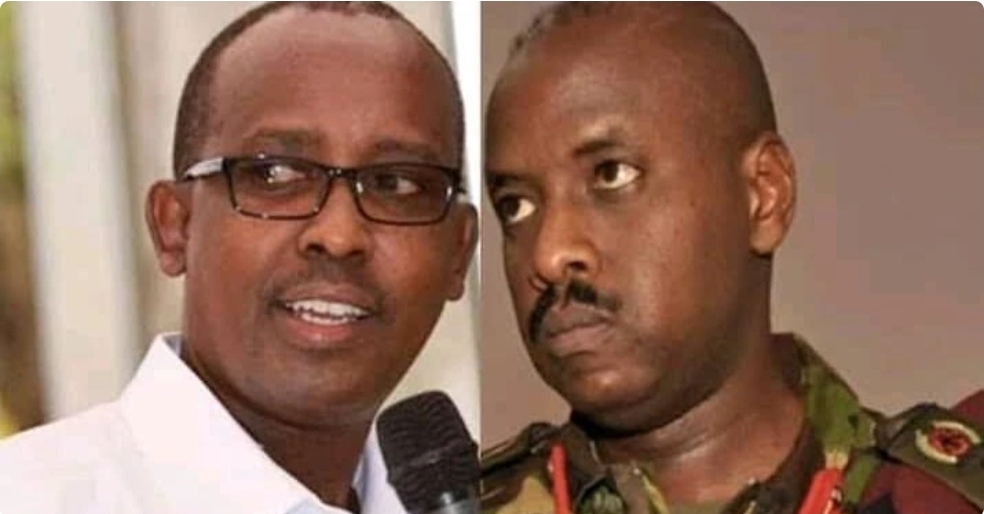 Rwabwogo Advised to ‘Eat His Bishop’ As MK Prepares to Enter State H’se: PREZ MUSEVENI ON HIS WAY OUT
Ultimate Uganda
Rwabwogo Advised to ‘Eat His Bishop’ As MK Prepares to Enter State H’se: PREZ MUSEVENI ON HIS WAY OUT
Ultimate Uganda
0 Comments