
Experts Call for Reduction of Mobile Money Withdrawal Tax


Economists, researchers and small business operators are urging government to reduce the 0.5 percent excise duty on mobile money withdrawals, warning that high transaction costs are undermining financial inclusion and hurting small businesses.
Mobile money has become one of Uganda’s most important financial tools, powering everything from school fees and transport payments to salaries and small business transactions.
But for many Ugandans, the convenience increasingly comes at a cost.
Users across the country are raising concerns over rising transaction charges and the 0.5 percent excise duty imposed on mobile money withdrawals, saying the deductions are eating into already strained household and business incomes.
For Micro, Small and Medium Enterprises (MSMEs), the burden is particularly heavy. Many traders say they are caught between accepting mobile money payments from customers and losing part of their profits through withdrawal charges.
Richard Katongole, a market vendor at Nakasero, said the charges significantly reduce already small profit margins.
“For example, if a customer buys goods worth Shs50,000 and you only receive about Shs48,000 after withdrawal charges, it significantly reduces your profit margin,†he said.
Others say they have resorted to cheaper alternatives to avoid the costs.
Janet Namuwaya, a décor shop attendant at Equatorial Mall, said some traders now prefer physically collecting money instead of using mobile money withdrawal services.
“Sometimes, using a boda boda to collect money becomes cheaper than paying mobile money withdrawal fees,†she said.
Uganda remains one of Africa’s leading mobile money markets, processing billions of shillings in transactions annually. However, researchers warn that high taxes on digital financial services risk slowing financial inclusion, especially among low-income earners who rely heavily on mobile wallets instead of traditional banking systems.
Rehema Kahunde, a researcher at the Economic Policy Research Centre (EPRC), said the current tax regime could discourage the use of digital financial services.
“Mobile money was intended to expand financial inclusion, particularly for people outside the formal banking system. But when transaction costs become too high, many users either reduce usage or revert to cash transactions,†she explained.
Tax experts also argue that the growing cost of digital transactions could undermine Uganda’s broader ambition of transitioning toward a cashless economy.
Emmanuel Semugenyi, a tax lecturer at Kyambogo University, said the cost burden on ordinary Ugandans is becoming unsustainable.
“When digital finance becomes expensive, it defeats the purpose of encouraging cashless transactions. The taxes and charges ultimately affect ordinary consumers and small businesses the most,†Semugenyi said.
However, government insists that the charges remain manageable and have not significantly affected mobile money usage.
Outgoing ICT and National Guidance Minister Dr. Chris Baryomunsi defended the current tax structure, arguing that mobile money services continue to register strong usage across the country.
“The cost is not prohibitive. Ugandans are still heavily using mobile money because of the convenience it provides,†Baryomunsi said.
Despite the government’s position, experts maintain that Uganda’s mobile money withdrawal charges remain comparatively higher than those in several East African countries, reducing the amount receivers ultimately take home after transactions.
Some economists are now proposing a reduction in the withdrawal excise duty from 0.5 percent to 0.25 percent, arguing that lower charges would encourage greater usage, improve digital financial inclusion and support the growth of small businesses.
“Reduce the tax charge to 0.25 percent. This will be a gesture of goodwill to the MSMEs that are currently suffering due to these high charges,†Walugembe said.
As Uganda pushes toward a more digitally connected economy, the debate over whether mobile money remains affordable for ordinary citizens is likely to intensify.


 Starlink goes live in Uganda; price comparisons against MTN, Airtel
Ultimate Uganda
Starlink goes live in Uganda; price comparisons against MTN, Airtel
Ultimate Uganda
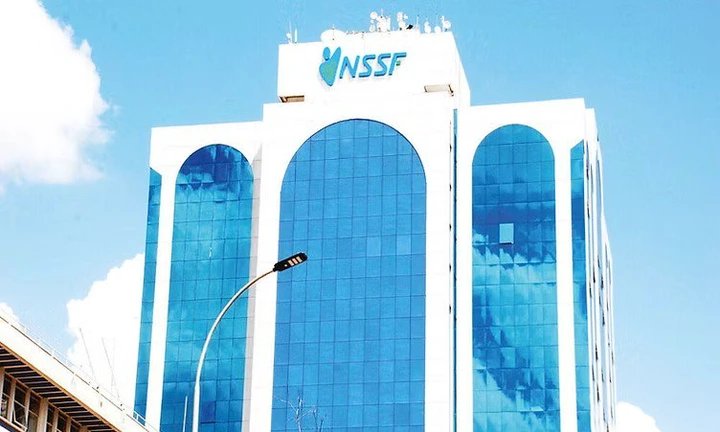 NSSF sets September 24 for Annual Members Meeting as savers await interest rate declaration
Ultimate Uganda
NSSF sets September 24 for Annual Members Meeting as savers await interest rate declaration
Ultimate Uganda
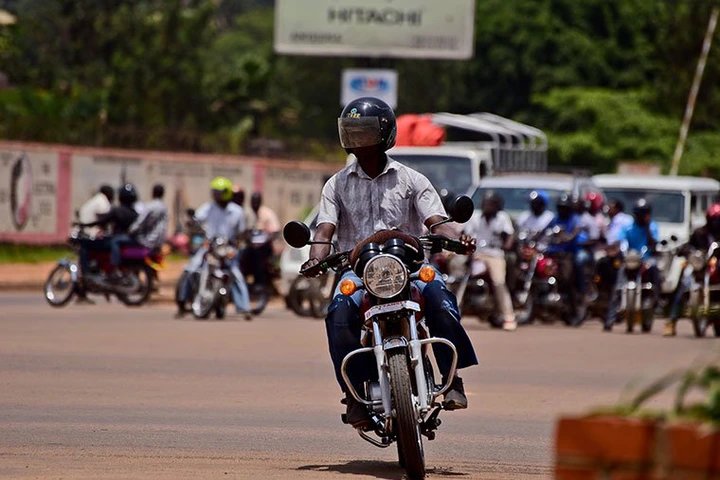 Boda boda riders launch e-commerce, digital loans platform
Ultimate Uganda
Boda boda riders launch e-commerce, digital loans platform
Ultimate Uganda
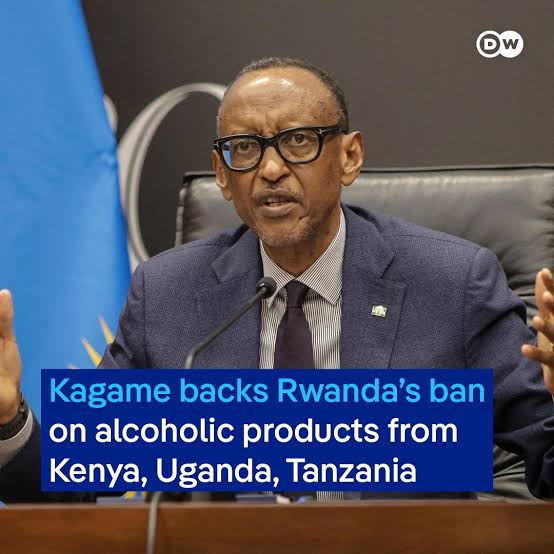 Rwanda: We Cannot Sit and Watch As Illicit Alcohol Kills People - Kagame
Ultimate Uganda
Rwanda: We Cannot Sit and Watch As Illicit Alcohol Kills People - Kagame
Ultimate Uganda
0 Comments