
Gov’t scraps allowances for medical interns as training becomes part of university degree
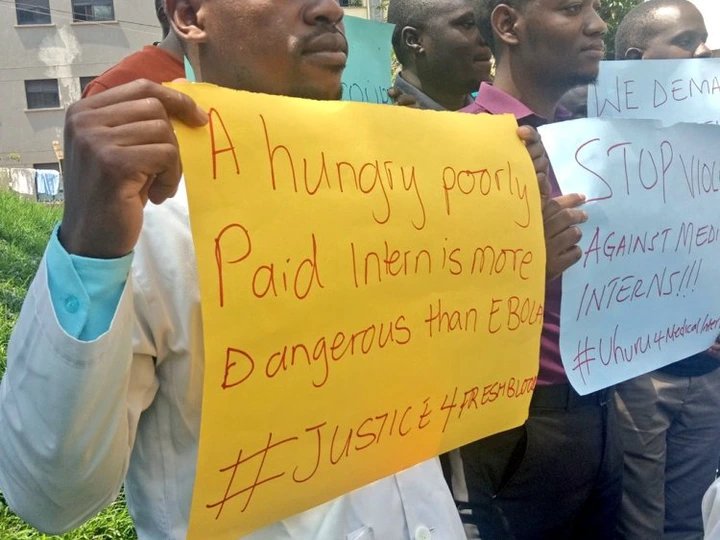

Medical interns will stop receiving government allowances starting August, 2026, as a new policy folds internship into the formal university education system.
The change, approved by Cabinet in October 2024, means students will now complete their internship before graduating. That extends medical training to six years total.
Dr Ronnie Bahatungire, Commissioner for Clinical Services at the Ministry of Health, said the reform fixes a long-standing gap. Previously, universities graduated students before they finished practical training in hospitals, creating accountability problems.
The policy was developed by the Ministry of Health and and the Ministry of Education and Sports.
How the new system works
Universities will send names of eligible final-year students to professional councils. The councils will issue provisional licenses, allowing students to start supervised hospital placements as interns. Interns will be assessed during clinical rotations. Only after passing will they graduate and receive full licenses to practice.
“The one year of internship provides the bridge between theory and practice,†Bahatungire said.
Who gets support and who doesn’t
The biggest shift is financial. Government currently pays medical interns a monthly allowance of Shs2.5 million, raised from Shs1 million in 2021 after a presidential directive. That stops in August.
Instead, only government-sponsored students will get in-kind support like meals, accommodation, and transport, and only if the hospital can’t provide it.
Privately sponsored students must fully fund themselves.
“If the Government has been supporting you during your formative training, it will continue supporting you during internship. If you have been supporting yourself through parents, guardians, loan schemes or other means, that support arrangement continues,†Bahatungire said.
The Health Ministry says money saved will go toward training specialists, an area where Uganda has critical shortages. It also plans to accredit more of the 74 existing internship centers and hire more supervisors to ease overcrowding.
The plan has drawn criticism from trainees and medical leaders who warn it will cause hardship and hurt patient care.
Amon Nkwasiibwe, president of the Federation of Uganda Medical Students Associations, backed efforts to improve training but opposed cutting allowances.
He said internship is the most demanding stage, with shifts lasting up to 18 hours covering emergencies and overnight duty.
“It is difficult to imagine how trainees will sustain themselves without adequate facilitation,†Nkwasiibwe said. He warned that financial stress could affect both intern welfare and patients.
Dr Frank Asiimwe, president of the Uganda Medical Association, said the policy was made without proper consultation with students, universities, or practicing doctors.
He also questioned the legality of requiring an extra year of unpaid clinical work before graduation.
“The policy subjects medical graduates to an additional year of intensive clinical work while removing the facilitation that has traditionally enabled them to meet basic living costs,†Asiimwe said.
He warned the move could compromise patient safety and create uncertainty around licensing and career paths in research, academia, or public health.


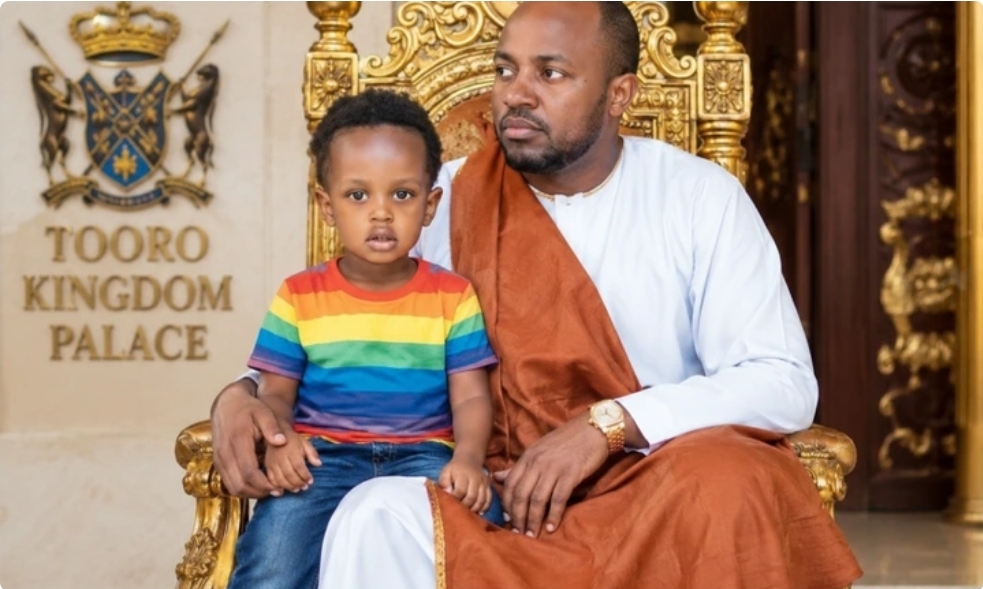 The women who have been in King Oyo’s life
Ultimate Uganda
The women who have been in King Oyo’s life
Ultimate Uganda
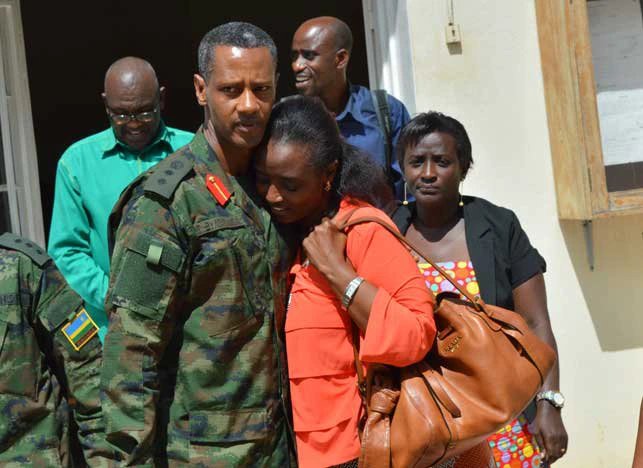 Ex Kagame Guard Commander Tom Byabagamba Dies in Rwandan Prison After 12 Years
Ultimate Uganda
Ex Kagame Guard Commander Tom Byabagamba Dies in Rwandan Prison After 12 Years
Ultimate Uganda
 Government begins salary payments for public sector workers – Reform Committee
Ultimate Uganda
Government begins salary payments for public sector workers – Reform Committee
Ultimate Uganda
 Temangalo land: NSSF, Nzenyi reach agreement
Ultimate Uganda
Temangalo land: NSSF, Nzenyi reach agreement
Ultimate Uganda
0 Comments