
Govt to save Shs24b in holiday spending cuts
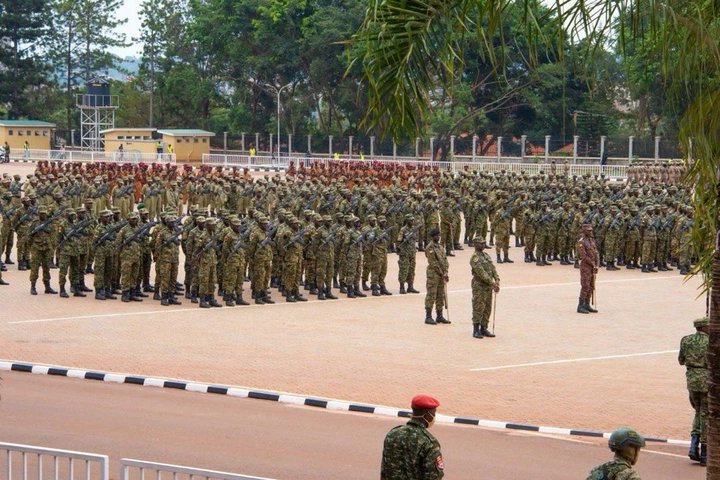

The government expects to save about Shs24 billion annually after suspending funding for national public holiday celebrations beginning Financial Year (FY)2026/2027, the Ministry of Finance has said.
The move is part of the government’s Rationalisation of Government Agencies and Public Expenditure (Rapex) programme aimed at reducing wasteful spending and improving efficiency in public service delivery. Speaking during the launch of the National Budget Month for the FY2026/2027 at the Ministry of Finance yesterday, the Director of Budget, Mr Hannighton Ashaba, said government would no longer finance activities marking several national public holidays. “We expect to save Shs24b annually from the suspension of spending on public holidays, which includes Independence Day, International Women’s Day, Labour Day, Martyrs Day, National Heroes Day and Janani Luwum Day,†Mr Ashaba said while responding to questions from Daily Monitor.
The announcement follows last week’s directive by the Finance ministry Permanent Secretary/ Secretary to the Treasury, Mr Ramathan Ggoobi, that government funding for public holiday celebrations would cease starting next financial year. The decision forms part of wider expenditure rationalisation efforts under Rapex, a reform programme designed to eliminate duplication of functions, streamline government operations and reduce public spending. According to a report presented to Parliament by former Public Service minister Muruli Mukasa in March, the rationalisation programme had by then generated savings of more than Shs773b through reductions in wage and non-wage expenditure, National Social Security Fund contributions, gratuity payments and board expenses.
The launch of the National Budget Month yesterday also provided an opportunity for government to highlight progress in Budget transparency and citizen engagement. Mr Ggoobi said effective budgeting extends beyond the preparation and approval of expenditure estimates and requires active participation by stakeholders throughout the budget cycle. “Effective budgeting requires proper implementation to realise intended outcomes. Achieving this calls for meaningful participation of stakeholders throughout the entire Budget cycle, including planning, execution, monitoring and oversight,†he said. Mr Ggoobi said the National Budget Month initiative, which started in 2018, seeks to promote transparency, accountability and public participation in government budgeting.
He noted that Uganda has continued to register improvements in international budget transparency rankings. “Our rating in Budget Transparency improved from 58 percent in 2021 to 59 percent in 2023, compared to the global average of 45 percent. Budget Oversight improved from 59 percent to 67 percent, against a global average of 52 percent,†Mr Ggoobi said. However, he acknowledged that public participation remains low. “Public participation declined from 19 percent in 2021 to 15 percent in 2023, although this remains slightly above the global average of 14 percent. We are optimistic that the ongoing 2025 Open Budget Survey will show improvements in citizen engagement and accountability,†he added.
Budget
Parliament in April approved a Shs84.3 trillion budget for the FY2026/2027 under the theme: “Full monetisation of Uganda’s economy through commercial agriculture, industrialisation, expanded social services, digital transformation and market access.†The Budget will be financed largely through domestic revenue collections of Shs44.18 trillion, domestic borrowing of Shs11.97 trillion and external project support of Shs11.27 trillion. The Executive Director of SEATINI Uganda, Ms Jane Nalunga, commended government for increasing funding for agro-industrialisation from Shs1.8 trillion to Shs2.2 trillion.
“We commend the government for increasing the allocation to agro-industrialisation for agricultural research, inputs, irrigation, extension services, agro-processing and market access,†she said, adding that effective implementation would be critical to achieving the intended results. The Executive Director of Advocates Coalition for Development and Environment (Acode), Dr Arthur Bainomugisha, called for increased funding to local governments and investments in agricultural productivity and climate resilience.
Meanwhile, Civil Society Budget Advocacy Group Executive Director Julius Mukunda warned that rising public debt and borrowing costs continue to constrain public expenditure and private sector growth. Mr Ggoobi said the government was prioritising domestic revenue mobilisation to reduce dependence on borrowing. “We are focusing on mobilising more revenue. If we can raise domestic revenue to about 20 percent of GDP, we shall we shall need less domestic borrowing,†he said.


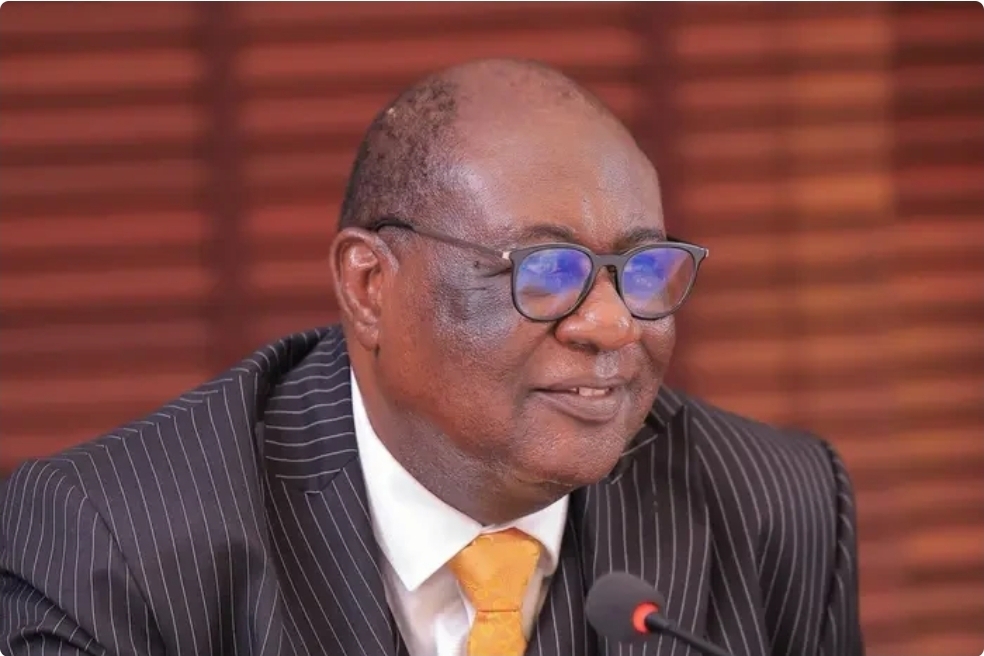 Government will not gazette Kijanangoma as King of Tooro for now - Attorney General insists
Ultimate Uganda
Government will not gazette Kijanangoma as King of Tooro for now - Attorney General insists
Ultimate Uganda
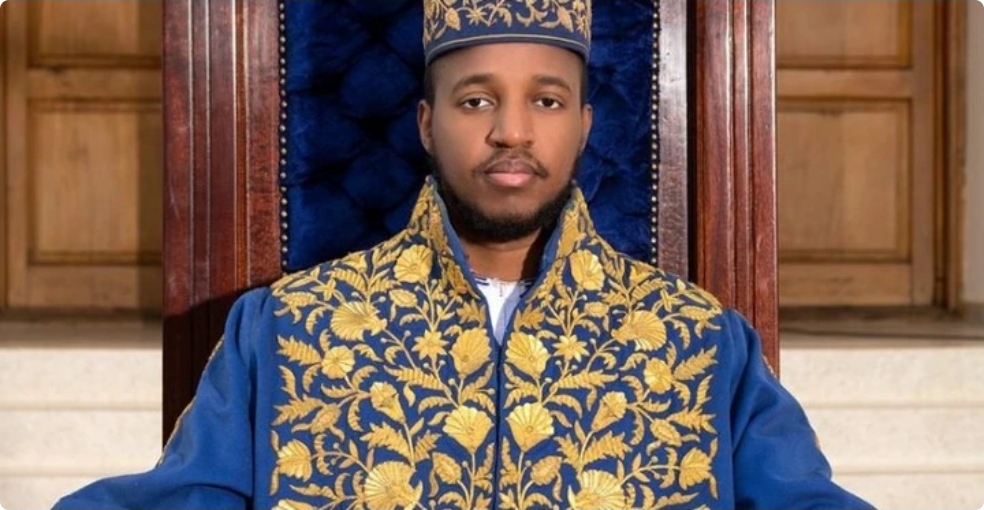 King Oyo’s Body to Arrive Thursday
Ultimate Uganda
King Oyo’s Body to Arrive Thursday
Ultimate Uganda
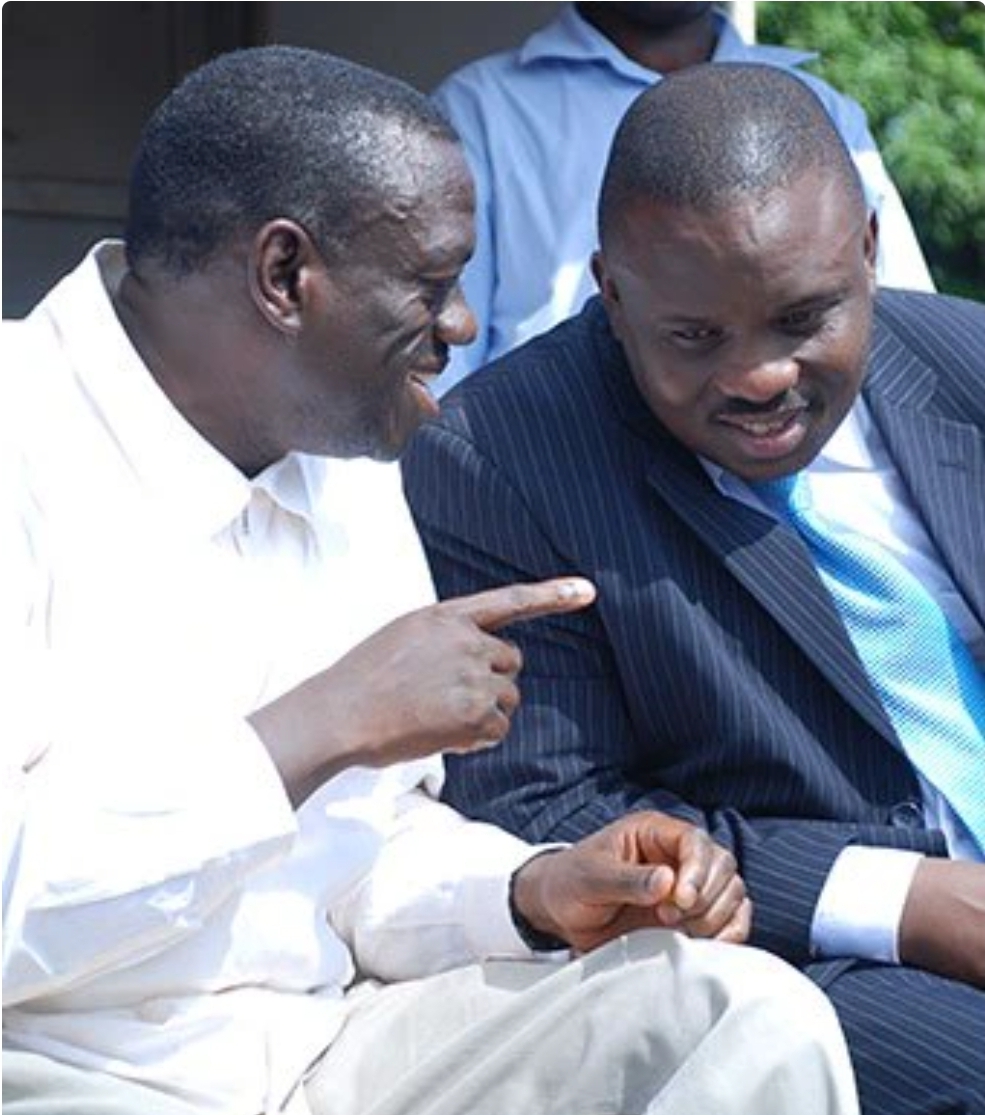 Besigye, Lukwago expected to meet Gen. Salim Saleh today at Kapeeke
Ultimate Uganda
Besigye, Lukwago expected to meet Gen. Salim Saleh today at Kapeeke
Ultimate Uganda
 Rwabwogo Advised to ‘Eat His Bishop’ As MK Prepares to Enter State H’se: PREZ MUSEVENI ON HIS WAY OUT
Ultimate Uganda
Rwabwogo Advised to ‘Eat His Bishop’ As MK Prepares to Enter State H’se: PREZ MUSEVENI ON HIS WAY OUT
Ultimate Uganda
0 Comments