
Govt Stakes Shs5 Trillion on Health Sector But Medical Interns Left At Sea
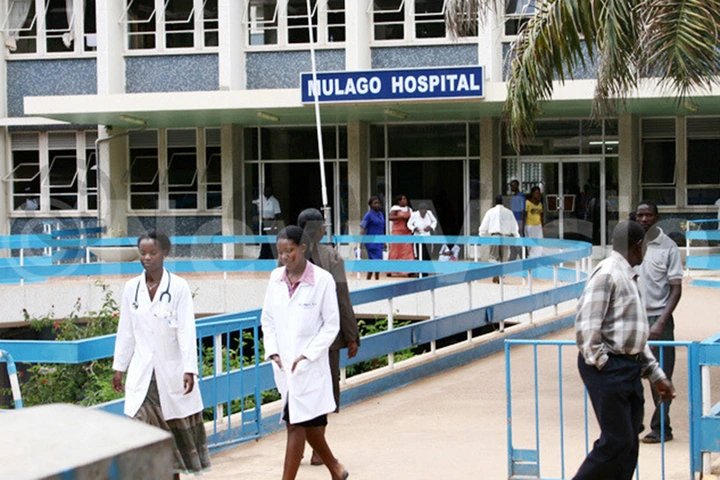

Uganda has allocated Shs5.23 trillion to the health sector in FY 2026/27 to strengthen healthcare delivery and reduce donor dependence, but the omission of Shs28 billion for medical interns has sparked concern over training gaps and staffing pressures in public hospitals.
The government has allocated Shs5.23 trillion to the health sector in the 2026/27 financial year, signalling a continued push to strengthen healthcare delivery while gradually reducing Uganda’s dependence on external donor funding for essential medicines and health commodities.
The allocation was announced by Finance Minister Henry Musasizi while presenting the national budget to Parliament.
Musasizi said the increased funding will prioritise maternal and child health, nutrition, immunisation, treatment of non-communicable diseases such as cancer, diabetes and hypertension, essential medicines, specialised healthcare services and emergency response systems.
The health sector allocation comes at a time when Uganda is facing rising demand for services, driven by a growing population, increasing burden of non-communicable diseases, and gradual shifts in external donor priorities that have traditionally supported key areas such as medicines and disease control programmes.
A significant share of government spending will continue to go towards medicines and medical supplies. During the outgoing financial year, funding for the National Medical Stores was increased by Shs145.33 billion to Shs862.93 billion.
Government says the additional investment is intended to ensure uninterrupted access to antiretroviral drugs, anti-malarial medicines, vaccines, laboratory commodities and tuberculosis treatment supplies—areas that have historically depended heavily on donor support.
Push for self-reliance in health financing
The budget reflects a broader policy shift towards increasing domestic financing of health commodities as development partners gradually scale back support in some programme areas.
Health sector performance indicators show continued progress in preventive care. Government reported immunisation coverage among children under one year at 94 percent, while first-dose measles-rubella coverage stood at 93 percent in the year under review.
Funds will also support maternal and child health services, nutrition interventions, and disease prevention programmes, which remain central to reducing preventable deaths among women and children.
In terms of infrastructure, government invested in equipping 17 regional referral hospitals and 25 general hospitals with neonatal intensive care units, while 14 regional referral hospitals received CT scan machines to strengthen diagnostic capacity.
Officials say these investments are intended to decongest national referral hospitals and bring specialised services closer to communities.
The sector will also expand emergency response systems, including the national ambulance network, alongside digital health systems for telemedicine, medicine tracking, and health information management.
Interns left out of funding
Despite the large allocation, the budget has drawn concern over the omission of funding for medical interns.
Medical interns—doctors, pharmacists, nurses and other health professionals undergoing mandatory supervised training—are essential for full professional licensing and form a critical part of hospital service delivery.
The proposed budget does not include the estimated Shs28 billion required to deploy and remunerate interns in the 2026/27 financial year, raising fears of renewed delays in training placements.
The president of the Uganda Medical Association, Dr Frank Asiimwe, said delays in internship deployment not only affect young professionals entering the workforce but also strain already overstretched hospitals that rely heavily on interns for daily service delivery.
In previous years, internship programmes have faced repeated disruptions due to funding gaps. In 2024 and 2025, deployment delays triggered backlogs of graduates and public concern over workforce shortages in the health sector.
Public hospitals—particularly regional referral facilities—depend significantly on interns to run outpatient departments, emergency units, maternity wards and inpatient services under supervision. Senior clinicians have repeatedly described interns as an essential part of the workforce rather than merely trainees.
The omission is expected to increase pressure on both the Ministry of Health and Ministry of Finance to clarify how internship training will be funded during the financial year.
Without a supplementary budget or policy adjustment, hundreds of medical graduates risk remaining unplaced, delaying licensing and worsening staffing gaps in public hospitals.
Health policy analysts argue that while government has increased investment in infrastructure, medicines and specialised equipment, human resource financing remains a critical bottleneck.
Facilities equipped with modern diagnostic tools and expanded wards require sufficient numbers of trained health workers to operate effectively. Without matching investment in staffing, the impact of infrastructure spending is significantly reduced.
Public accountability questions
The development has also sparked wider debate about budget priorities, particularly in relation to allocations for non-service delivery expenditures elsewhere in the national budget.
While government maintains that the Shs5.23 trillion allocation reflects a strong commitment to health sector transformation, stakeholders are expected to closely monitor whether the funding translates into improved medicine availability, reduced waiting times, and better service delivery outcomes.
For many Ugandans, the effectiveness of the health budget will ultimately be judged not by its size, but by whether health facilities are adequately staffed, stocked, and capable of delivering timely and quality care when needed most.


 Government will not gazette Kijanangoma as King of Tooro for now - Attorney General insists
Ultimate Uganda
Government will not gazette Kijanangoma as King of Tooro for now - Attorney General insists
Ultimate Uganda
 King Oyo’s Body to Arrive Thursday
Ultimate Uganda
King Oyo’s Body to Arrive Thursday
Ultimate Uganda
 Besigye, Lukwago expected to meet Gen. Salim Saleh today at Kapeeke
Ultimate Uganda
Besigye, Lukwago expected to meet Gen. Salim Saleh today at Kapeeke
Ultimate Uganda
 Rwabwogo Advised to ‘Eat His Bishop’ As MK Prepares to Enter State H’se: PREZ MUSEVENI ON HIS WAY OUT
Ultimate Uganda
Rwabwogo Advised to ‘Eat His Bishop’ As MK Prepares to Enter State H’se: PREZ MUSEVENI ON HIS WAY OUT
Ultimate Uganda
0 Comments