
Ssemujju: Government Is Coming for Your Money
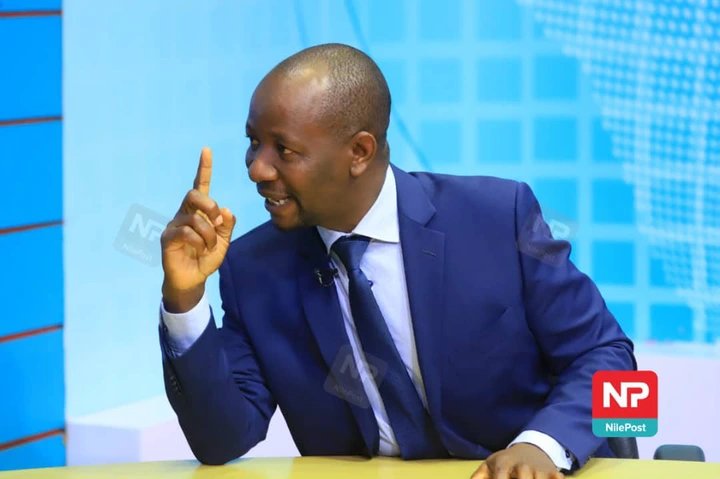

Ibrahim Ssemujju Nganda has warned that Uganda’s Shs84.3 trillion budget, driven by heavy borrowing and domestic financing, could strain taxpayers and the private sector, as government defends its spending priorities in health, education and infrastructure
Former Kira Municipality Member of Parliament Ibrahim Ssemujju Nganda has warned that Uganda’s Shs84.3 trillion national budget will place significant pressure on taxpayers, arguing that the government’s financing strategy relies heavily on borrowing and could strain the economy.
Speaking on NBS Frontline on Thursday, the People’s Front for Freedom (PFF) Secretary General questioned the structure of the 2026/27 budget, noting that a large portion ofthe expenditure will be funded through borrowing and domestic revenue mobilisation.
“The Shs84.3 trillion budget will be financed by a collection of taxes, plus money from other sources like petroleum revenue. The government intends to borrow Shs36 trillion. The government is coming for your money. That’s how they will raise the Shs39 trillion to finance the budget,†he said.
Ssemujju argued that the scale of borrowing would inevitably increase competition for credit between government and the private sector, potentially affecting businesses that depend on bank financing for operations and expansion.
Nyendo-Mukungwe Member of Parliament Gyaviira Lubowa Ssebino of the National Unity Platform (NUP) echoed similar concerns, warning that domestic borrowing could crowd out local entrepreneurs.
“Every bank cannot compare a local trader to the government in terms of recovery of funds. The government is going to compete with a local trader and manufacturer through domestic borrowing,†he said.
“It is a very difficult situation that a local businessman has to line up with the government to source funds.â€
Ssemujju also raised concerns about what he described as gaps in the budget’s sectoral allocations, particularly in health and education, arguing that some critical expenditures are not explicitly catered for.
He cited Shs28 billion required for medical interns’ allowances, Shs8 billion for Uganda National Examinations Board (UNEB) training linked to the revised curriculum marking system, and Shs3.5 billion needed for the full implementation of the competency-based curriculum developed by the National Curriculum Development Centre (NCDC).
He warned that such omissions could worsen service delivery challenges in already strained public systems.
Uganda’s health sector has in recent years faced repeated disputes over delayed deployment and allowances for medical interns, alongside staffing shortages in regional referral hospitals.
The education sector is undergoing reforms under the competency-based curriculum, which requires teacher retraining, updated assessment systems and improved learning materials to ensure successful implementation.
Ssemujju also listed several expenditure items he said reflected misplaced priorities, including Shs211 billion for welfare and entertainment for senior officials, Shs536 billion for special meals and drinks, Shs196 billion for official donations, Shs17 billion for firewood, gas and charcoal, and Shs2.6 trillion for classified expenditure.
Earlier, Finance Minister Henry Musasizi presented the Shs84.3 trillion budget at Kololo Ceremonial Grounds, outlining government’s spending priorities for the 2026/27 financial year.
Musasizi said Shs6.66 trillion has been allocated to education and skills development, while Shs5.23 trillion will go to the health sector.
He said the health allocation will support maternal and child health services, immunisation, nutrition programmes, management of non-communicable diseases, supply of essential medicines, emergency response systems and progress towards Universal Health Coverage.
On education, Musasizi said government remains focused on developing a skilled workforce to support industrialisation and long-term economic transformation.
He also announced Shs568.65 billion for salary enhancements for primary and secondary school teachers as well as instructors in technical and vocational institutions.
Government data shows that about 9.52 million learners are enrolled under Universal Primary Education, while nearly one million are in Universal Secondary Education and post-O-Level programmes.
Officials also highlighted ongoing education infrastructure expansion, including 90 completed seed secondary schools and 259 others now operational across the country.
In the sports sector, government pointed to major infrastructure investments ahead of the 2027 Africa Cup of Nations, including upgrades at Mandela National Stadium Namboole, completed works at Hoima Stadium and ongoing construction at Akii-Bua Stadium.
As debate over the budget continues, opposition voices argue that rising borrowing levels and domestic financing pressures will remain central concerns in Uganda’s fiscal outlook.


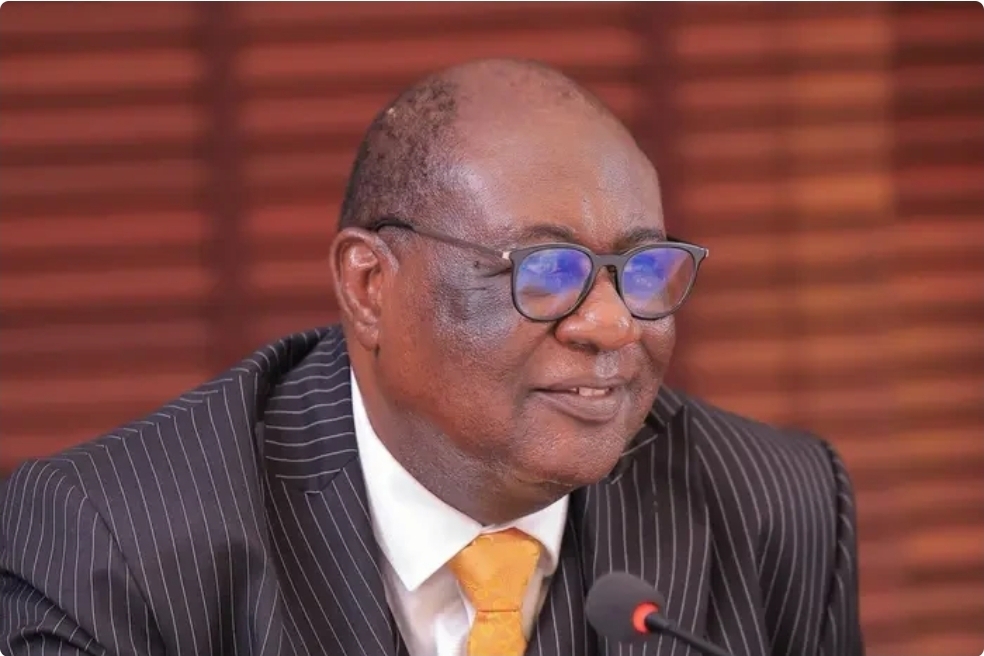 Government will not gazette Kijanangoma as King of Tooro for now - Attorney General insists
Ultimate Uganda
Government will not gazette Kijanangoma as King of Tooro for now - Attorney General insists
Ultimate Uganda
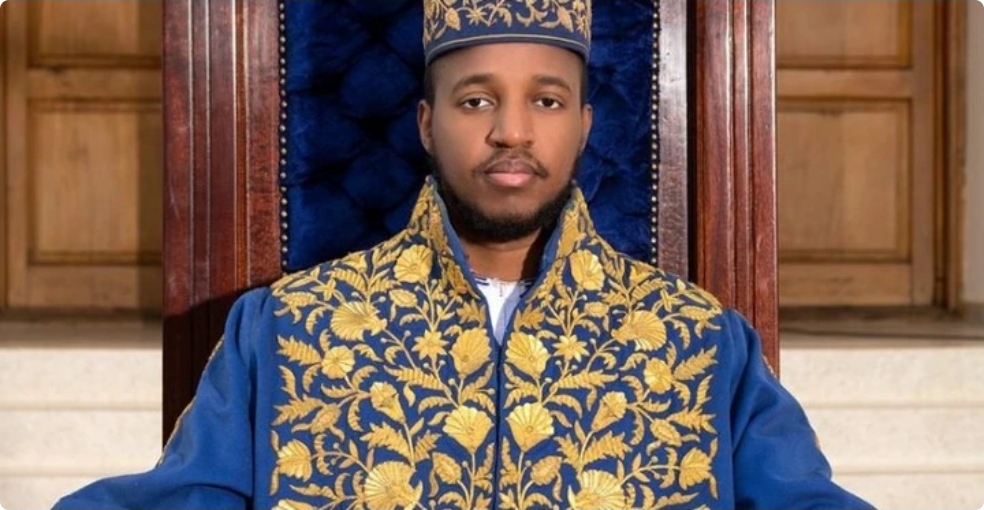 King Oyo’s Body to Arrive Thursday
Ultimate Uganda
King Oyo’s Body to Arrive Thursday
Ultimate Uganda
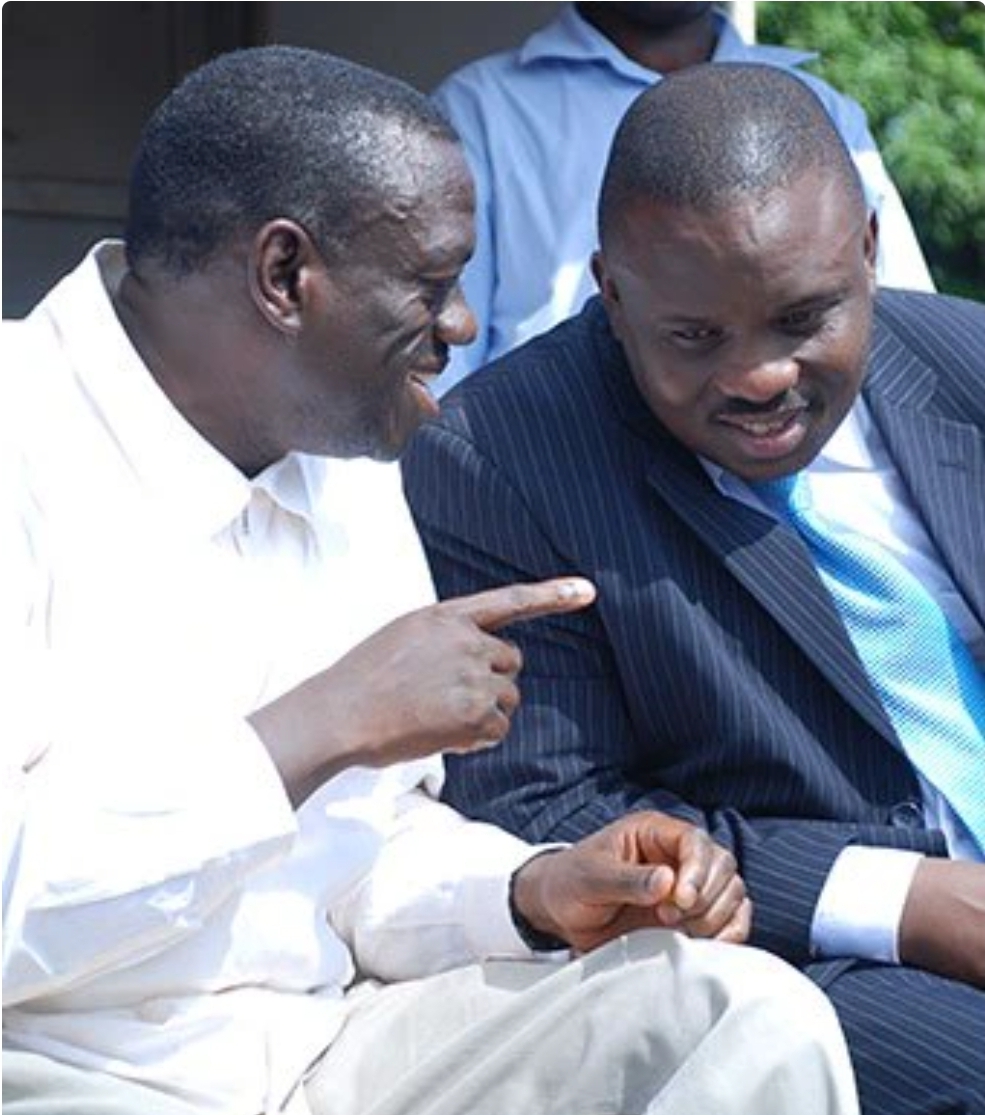 Besigye, Lukwago expected to meet Gen. Salim Saleh today at Kapeeke
Ultimate Uganda
Besigye, Lukwago expected to meet Gen. Salim Saleh today at Kapeeke
Ultimate Uganda
 Rwabwogo Advised to ‘Eat His Bishop’ As MK Prepares to Enter State H’se: PREZ MUSEVENI ON HIS WAY OUT
Ultimate Uganda
Rwabwogo Advised to ‘Eat His Bishop’ As MK Prepares to Enter State H’se: PREZ MUSEVENI ON HIS WAY OUT
Ultimate Uganda
0 Comments