
How Vivo Energy’s purchase of KFC Uganda triggered a Shs 4.2 billion tax dispute with URA
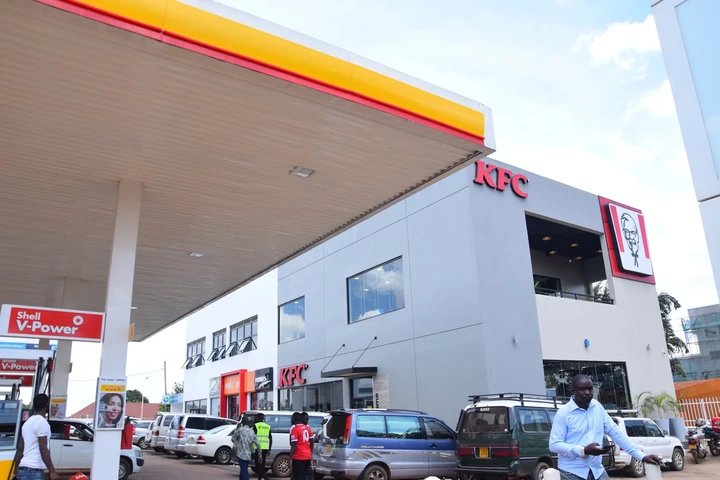

Vivo Energy's acquisition of a 50% stake in KFC Uganda triggered a tax dispute with URA
The Tax Appeals Tribunal (TAT) has cancelled a Shs 4.24 billion tax assessment imposed on Kuku Foods Uganda, the company behind the KFC franchise in Uganda, following changes in the fast-food firm’s ownership structure.
Kuku Foods was originally owned almost entirely by Kuku Foods East Africa Holdings Limited (KFEAH), which held 999 of the company’s 1,000 shares. In contrast, one share was held by Turnstone Trustees (New Zealand) Limited.
In June 2019, KFEAH entered into a share purchase agreement with Vivo Energy Investments B.V. and Gutsche Investment and Management Company Proprietary Limited.
The deal was designed to bring Vivo Energy into the Kuku Foods business operating in Uganda, Kenya and Rwanda.
As part of the transaction, a series of restructuring steps had to be completed before the ownership transfer could happen.
The parties first transferred the single share held by Turnstone Trustees, incorporated a new company called Kuku Establishments Uganda Limited (KEUL), and increased Kuku Foods Uganda’s share capital from 1,000 shares to more than 30 million shares.
They also converted shareholder loans into equity, and then transferred part of KFEAH’s shares to KEUL.
Eventually, KFEAH transferred 15,197,837 shares to Vivo Energy for Shs 9.54 billion. The result was that KEUL owned 50% of Kuku Foods Uganda while Vivo Energy also owned 50%.
Therefore, Vivo Energy acquired a 50 per cent stake in Kuku Foods Uganda.
Vivo Energy is one of Africa’s leading fuel and energy companies. It operates and markets Shell-branded fuels and lubricants in several African countries and also distributes energy products and services across the continent.
Through the transaction, Vivo Energy expanded its interests into the fast-food sector through the KFC franchise, and indeed in Uganda, several KFC branches are housed at Shell fuel stations that are run by Vivo.
After reviewing the deal, URA concluded that the ownership changes triggered a capital gains tax liability of Shs 4.2 billion, arguing that the transaction resulted in a change of ownership exceeding 50% and therefore fell under Sections 74(2) and 78(h) of the Income Tax Act.
Kuku Foods disputed the assessment and took the matter to the TAT.
In the tribunal, Kuku Foods argued that URA had targeted the wrong taxpayer. It said it had not earned any income from the share sale and that any gain had been received by KFEAH, the shareholder that sold the shares.
Kuku Foods maintained that the transaction was a direct disposal of shares and should have been taxed under Section 78(g) of the Income Tax Act, which would place liability on the selling shareholder rather than on Kuku Foods itself.
The company also argued that the transfer only became effective on January 20, 2021, when the share transfers were registered by the Uganda Registration Services Bureau.
The company further accused URA of using the wrong purchase price in its calculations. It said the actual purchase price was $2.6 million and not the $4.07 million figure relied upon by URA.
URA disagreed, arguing that the transaction caused a direct change of ownership of more than 50% in a Ugandan company and therefore triggered Sections 74(2) and 78(h).
URA maintained that Parliament intentionally enacted those provisions to tax ownership changes in Ugandan companies and that the tax liability fell on the company whose ownership changed.
URA further argued that Kuku Foods was not an immovable-property-rich company and therefore could not rely on Section 78(g). It insisted that the KFC franchise, brand value, goodwill, customer loyalty and other intangible assets made the company valuable.
In a detailed ruling of 37 pages, the tribunal chaired by Crystal Kabajwara agreed with URA on the key legal question.
It found that the transaction did not fall under Section 78(g) because Kuku Foods was not an “immovable property rich†company.
“We conclude that the transaction is outside the scope of section 78(g). This is because it comprised a disposal of shares in a company that is not ‘immovable property rich’,†the tribunal ruled.
The tribunal also rejected Kuku Foods’ argument that URA should have taxed the selling shareholders instead of the company.
It further observed that Parliament deliberately expanded Uganda’s tax net in 2018 to capture ownership changes involving service-based businesses such as Kuku Foods.
However, Kuku Foods succeeded on another important point, and the tribunal found that URA had used the wrong methodology when calculating the tax.
It criticised URA’s reliance on the purchase price and enterprise value of the company.
“We do not agree with the use of either the base purchase price of $4 million or the adjusted purchase price of $2.6 million for the purpose of computing the tax liability under section 74(2),†it ruled.
The tribunal added that the law required a valuation of the company’s assets and liabilities and not a valuation based on enterprise value or future earnings.
The tribunal also disagreed with both parties on the date of ownership change.
While Kuku Foods argued that the change happened in January 2021, URA said it took place in June 2019. The tribunal established that the critical ownership change actually occurred on February 26, 2020, when the relevant transfers were registered.
In the end, the tribunal held that Kuku Foods was the correct taxpayer under the law but ruled that URA’s Shs 4.2 billion assessment could not stand because it had been calculated incorrectly.
“The assessment of Shs 4.2 billion is hereby set aside,†the tribunal ordered and sent back the matter to URA for a fresh computation.
The tribunal directed both parties to jointly appoint either the chief government valuer or another independent valuer to determine the market value of Kuku Foods’ assets and liabilities as of February 26, 2020.
It said the exercise must be completed by September 30, 2026 and ordered each party to bear its own legal costs.


 Starlink goes live in Uganda; price comparisons against MTN, Airtel
Ultimate Uganda
Starlink goes live in Uganda; price comparisons against MTN, Airtel
Ultimate Uganda
 NSSF sets September 24 for Annual Members Meeting as savers await interest rate declaration
Ultimate Uganda
NSSF sets September 24 for Annual Members Meeting as savers await interest rate declaration
Ultimate Uganda
 Boda boda riders launch e-commerce, digital loans platform
Ultimate Uganda
Boda boda riders launch e-commerce, digital loans platform
Ultimate Uganda
 Rwanda: We Cannot Sit and Watch As Illicit Alcohol Kills People - Kagame
Ultimate Uganda
Rwanda: We Cannot Sit and Watch As Illicit Alcohol Kills People - Kagame
Ultimate Uganda
0 Comments