
Chief Magistrate Basemera: Why I Refused to Grant Lukwago Bail
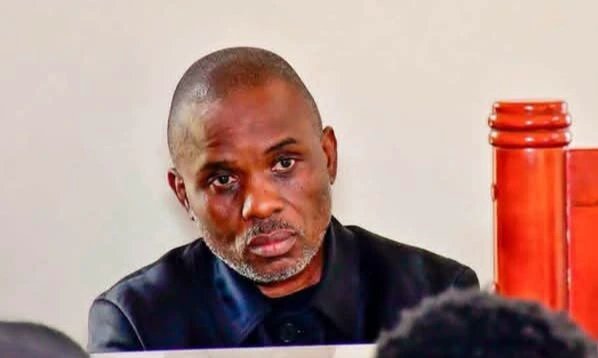

Erias Lukwago
KAMPALA, Uganda — The legal battle surrounding opposition politician and former Kampala Lord Mayor Erias Lukwago took another dramatic turn on Tuesday when Chief Magistrate Sarah Anne Basemera declined to grant him bail, ruling that the seriousness of the allegations against him and the status of ongoing investigations outweighed arguments for his temporary release.
The decision, delivered electronically by the Makindye Chief Magistrates Court, means Lukwago will remain on remand at Luzira Prison as he awaits further proceedings in a case that has become one of the most closely watched political prosecutions in Uganda.
Lukwago, 56, is charged with misprision of treason under Section 25 of Uganda’s Penal Code Act, a rarely invoked offense that criminalizes the failure to report knowledge of treasonous activities to state authorities.
Prosecutors allege that between 2021 and November 2024, Lukwago became aware of alleged plots involving prominent opposition figures, including Dr. Kizza Besigye, Joel Wakayima, Frank Kihere Atukunda and Hajj Obeid Lutale Kamulegeya, but failed to inform security agencies despite having what the state describes as ample opportunity to do so.
The allegations place Lukwago at the center of a politically sensitive case that has drawn attention both within Uganda and beyond its borders.
In seeking bail, Lukwago’s defense team, led by veteran lawyer Medard Lubega Sseggona, argued that their client remained constitutionally presumed innocent and presented evidence aimed at demonstrating that he posed no flight risk.
The defense told the court that Lukwago has a permanent residence in Bulwa Zone, Wakaliga, Kampala, and suffers from several serious health conditions, including hypertension, cervical spine disease and complications arising from a previous neck surgery performed in India.
Lawyers argued that his medical condition warranted release on bail while he awaited trial and stressed that continued detention could adversely affect his health.
The state strongly opposed the application.
Prosecutors contended that the charges touch on matters of national security and involve investigations that remain active. They further argued that the offense carries a potential maximum sentence of life imprisonment, creating a significant incentive for the accused to evade justice.
The prosecution also warned that Lukwago’s influence as a prominent opposition leader could affect witnesses and potentially interfere with ongoing inquiries.
In her ruling, Magistrate Basemera rejected several of the prosecution’s objections concerning the suitability of Lukwago’s proposed sureties.
The defense had presented a team of high-profile guarantors, including Dokolo Woman MP Betty Aol Ocan, Buikwe South MP Michael Phillip Lulume Bayiga and Mukono Municipality MP Betty Bakireke Nambooze.
Prosecutors questioned whether some of the sureties possessed sufficient authority or proximity to ensure Lukwago’s compliance with bail conditions.
Basemera disagreed.
“A surety’s obligation arises from the undertaking voluntarily assumed before Court… It is not founded upon professional seniority, political hierarchy or social status,†she ruled.
The magistrate further noted that the maturity, standing and personal credibility of the proposed sureties strengthened rather than weakened their suitability.
Her findings effectively cleared one of the major hurdles that often complicate bail applications in high-profile criminal cases.
Basemera also accepted that Lukwago has a fixed place of residence, another factor courts commonly consider when determining whether an accused person is likely to abscond.
Yet despite these findings in his favor, the court concluded that the broader circumstances of the case justified continued detention.
At the center of the ruling was the nature of the charge itself.
Although Lukwago is not accused of personally plotting to overthrow the government, the offense of misprision of treason is directly linked to allegations of treason, one of the gravest crimes under Ugandan law.
Basemera emphasized that investigations remain incomplete and span multiple years, jurisdictions and international locations, including neighboring Kenya.
The court concluded that releasing the accused at this stage could create risks to the integrity of ongoing inquiries.
The ruling reflected what the magistrate described as the need for a cautious judicial approach when handling cases involving alleged threats to state security.
Basemera also addressed the defense’s argument regarding Lukwago’s health.
While acknowledging medical records documenting his ailments, she ruled that illness alone does not automatically entitle an accused person to bail.
The magistrate noted that Uganda’s prison authorities are capable of facilitating treatment and specialist consultations under secure escort arrangements when necessary.
That finding removed another key pillar of the defense’s application.
For Lukwago’s supporters, the decision represented a significant setback.
The former Kampala Lord Mayor has long been one of the country’s most recognizable opposition figures, building a reputation over nearly two decades as a fierce critic of President Yoweri Museveni’s government.
A lawyer by profession, Lukwago first rose to national prominence through his courtroom activism and later became a leading figure in opposition politics, serving as Kampala Lord Mayor from 2011 until 2021.
He is also the president of the People’s Front for Freedom (PFF), a political organization associated with veteran opposition leader Dr. Besigye.
The case has generated regional attention, particularly after Kenyan lawyer and former Justice Minister Martha Karua traveled to Uganda seeking to join Lukwago’s legal team but was denied entry by immigration authorities, prompting criticism from opposition groups and human rights advocates.
Government officials have defended their actions, while opposition leaders have described the prosecution as politically motivated.
Authorities have repeatedly denied allegations that the charges are intended to suppress dissent.
For now, Lukwago remains behind bars.
The court is expected to produce him on June 30 for further mention of the case as investigators continue their work and prosecutors prepare the next phase of proceedings.
Whether the opposition leader eventually secures bail or proceeds to trial from detention, Tuesday’s ruling underscored the court’s view that the interests of an ongoing treason-related investigation presently outweigh arguments for his temporary release.
Meanwhile, Muhoozi has revealed the opposition politicians he plans to arrest next, even as one of them told the first son he is not afraid of him, as reported Here, There and Over There.


 Government will not gazette Kijanangoma as King of Tooro for now - Attorney General insists
Ultimate Uganda
Government will not gazette Kijanangoma as King of Tooro for now - Attorney General insists
Ultimate Uganda
 King Oyo’s Body to Arrive Thursday
Ultimate Uganda
King Oyo’s Body to Arrive Thursday
Ultimate Uganda
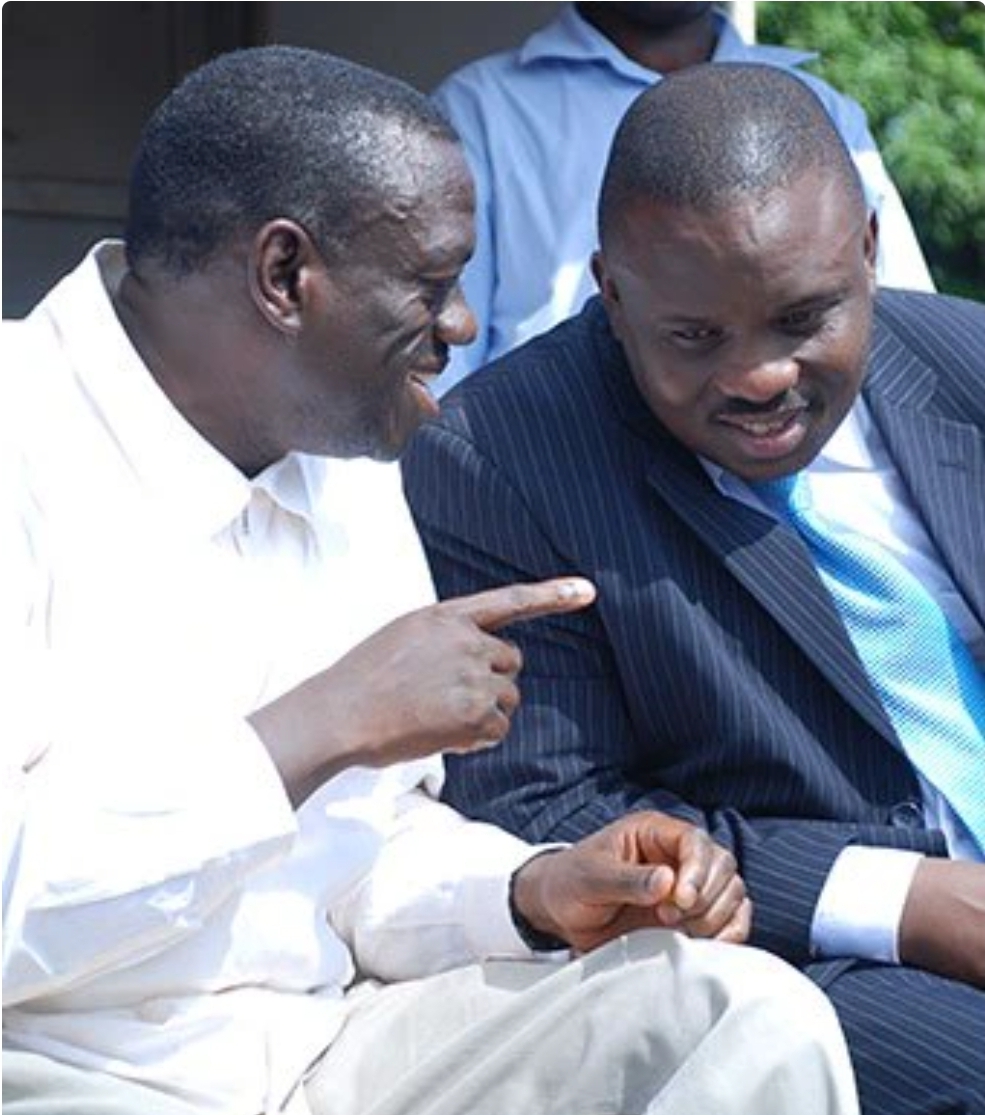 Besigye, Lukwago expected to meet Gen. Salim Saleh today at Kapeeke
Ultimate Uganda
Besigye, Lukwago expected to meet Gen. Salim Saleh today at Kapeeke
Ultimate Uganda
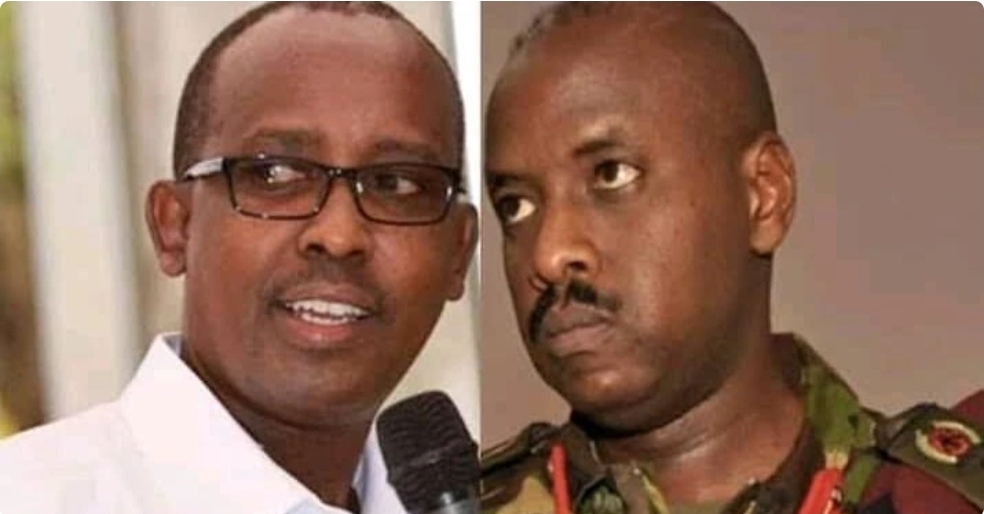 Rwabwogo Advised to ‘Eat His Bishop’ As MK Prepares to Enter State H’se: PREZ MUSEVENI ON HIS WAY OUT
Ultimate Uganda
Rwabwogo Advised to ‘Eat His Bishop’ As MK Prepares to Enter State H’se: PREZ MUSEVENI ON HIS WAY OUT
Ultimate Uganda
0 Comments