
Museveni Yet to Approve Miriam Wangadya Resignation as UHRC Chairperson
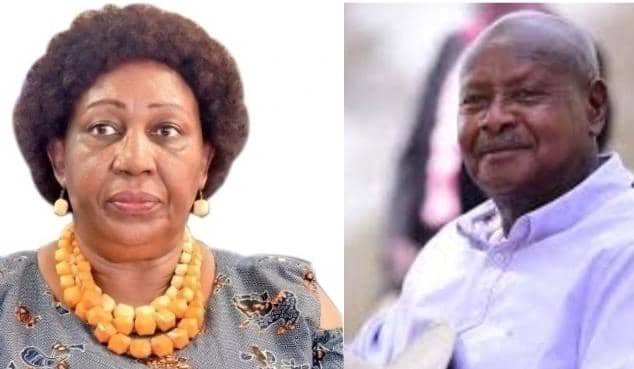

For days, speculation has swirled around the future of Mariam Wangadya, the embattled Chairperson of the Uganda Human Rights Commission (UHRC). Reports that she had resigned appeared to signal the end of a turbulent chapter at one of Uganda’s most scrutinized constitutional institutions.
But according to one of her fellow commissioners, the story is not over.
Speaking publicly for the first time since Wangadya submitted her resignation notice, UHRC Commissioner Crispin Kaheru said the chairperson remains in office because President Yoweri Museveni has not yet approved her departure.
In Uganda’s legal framework, he explained, a resignation notice is only the beginning of the process—not its conclusion.
“Yeah, it’s true that chairperson of the Uganda Human Rights Commission submitted a notice of resignation. Now, as the Attorney General of government stated last week in Parliament, a notice of resignation is not equivalent to an immediate resignation. The appointing authority has to approve,†Kaheru said during an interview with state broadcaster UBC.
His remarks have brought fresh attention to a commission confronting one of the most difficult periods in its history—a period marked by internal disagreements, parliamentary scrutiny and growing public criticism over its handling of politically sensitive human rights cases.
For months, the UHRC has found itself at the centre of heated national debate. Opposition politicians and rights activists have accused the commission of remaining largely silent as prominent government critics, including Erias Lukwago, Dr. Kizza Besigye and Miria Matembe, faced arrest, detention and prosecution.
The commission rejects that characterization.
Kaheru argued that much of the criticism overlooks the legal limits placed on the institution once matters are before the courts.
“Some matters are before court. The law requires us to respect the judicial process. We cannot become another courtroom. But, that has never stopped us from protecting the rights outside the courtroom. Just last week, we spent considerable time with Erias Lukwago at Maximum Security Prison. We listened to his concern. And we immediately followed up those issues that relate to his rights, including access to appropriate medical care,†he said.
Rather than focusing only on the high-profile political cases dominating newspaper headlines, Kaheru said the commission continues to spend much of its time conducting the less visible work for which it was established.
Only days ago, UHRC teams travelled to Kitalya Maximum Security National Rehabilitation Centre, Kitalya Mini Max Prison, Nakasongola Prison and Murchison Bay Prison, where they inspected detention facilities, interviewed inmates and engaged prison authorities over complaints ranging from living conditions to access to essential services.
“We met several inmates, monitored their conditions, we followed up their complaints and we engaged the prisons authorities or the authorities of these facilities. And for me, there’s no any other illustration or depiction that the Uganda Human Rights Commission is fully and fully in operation,†Kaheru said.
Yet while the commission insists it remains active on the ground, questions about its leadership continue to mount.
Those concerns reached Parliament this week when the Committee on Commissions, Statutory Authorities and State Enterprises (COSASE) turned its attention to the commission’s internal operations.
Lawmakers were told that the commission’s leadership has effectively been dormant for several months.
Commissioner Col. (Rtd) Stephen Basaliza acknowledged that no formal commission meeting has taken place since March 2026.
“Since March, we have never had a commission meeting. So in short, there has been no activity of the commission in leadership,†Basaliza told the committee.
The revelation prompted concern among legislators responsible for overseeing constitutional bodies.
COSASE Chairperson Muwada Nkunyingi described the issues before the committee as deeply troubling and said Parliament would demand answers.
“We are giving her and the commission a second chance… the matters to handle are very, very concerning,†Nkunyingi said.
Wangadya had been expected to appear before the committee on Wednesday to explain the commission’s apparent paralysis. She did not attend, leaving lawmakers without answers and adding another layer of uncertainty to an institution already facing intense public scrutiny.
Her absence came just as debate over her resignation gathered momentum.
For now, however, Kaheru insists there is no vacancy.
Until President Museveni formally accepts Wangadya’s resignation, the legal position remains unchanged: she continues to serve as Chairperson of the Uganda Human Rights Commission, even as Parliament questions the commission’s governance and the public awaits clarity on its future leadership.
The unfolding developments underscore the uncertainty surrounding one of Uganda’s most important constitutional watchdogs, where questions over leadership now sit alongside broader debates about accountability, institutional independence and the protection of human rights.
Mariam Wangadya has previously been awarded by the European Union, even as she refused to apologize to first son and Chief of Defence Forces (CDF) Gen Muhoozi Kainerugaba.


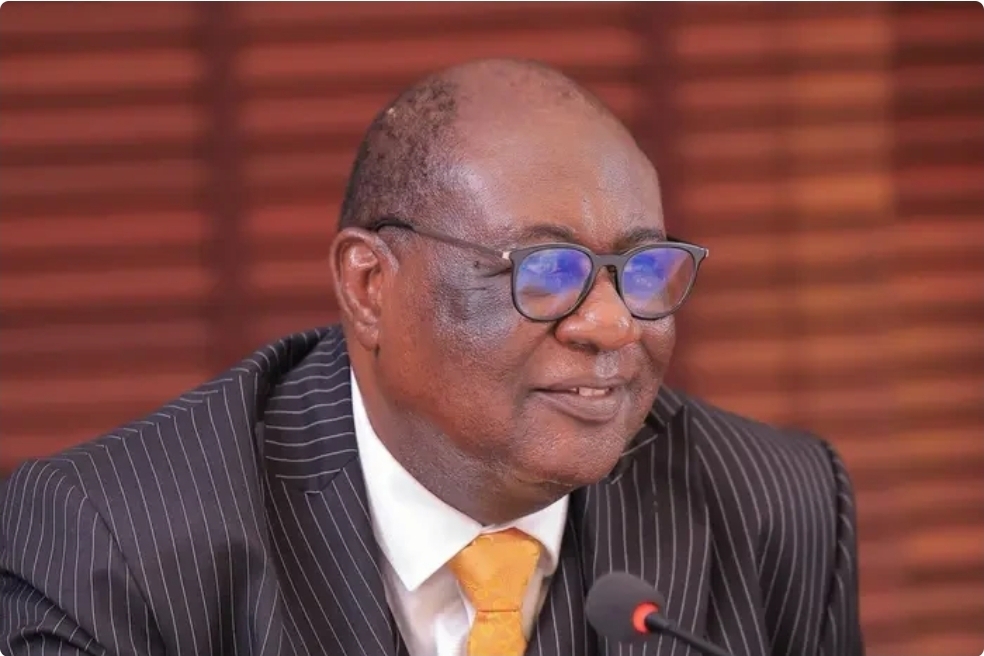 Government will not gazette Kijanangoma as King of Tooro for now - Attorney General insists
Ultimate Uganda
Government will not gazette Kijanangoma as King of Tooro for now - Attorney General insists
Ultimate Uganda
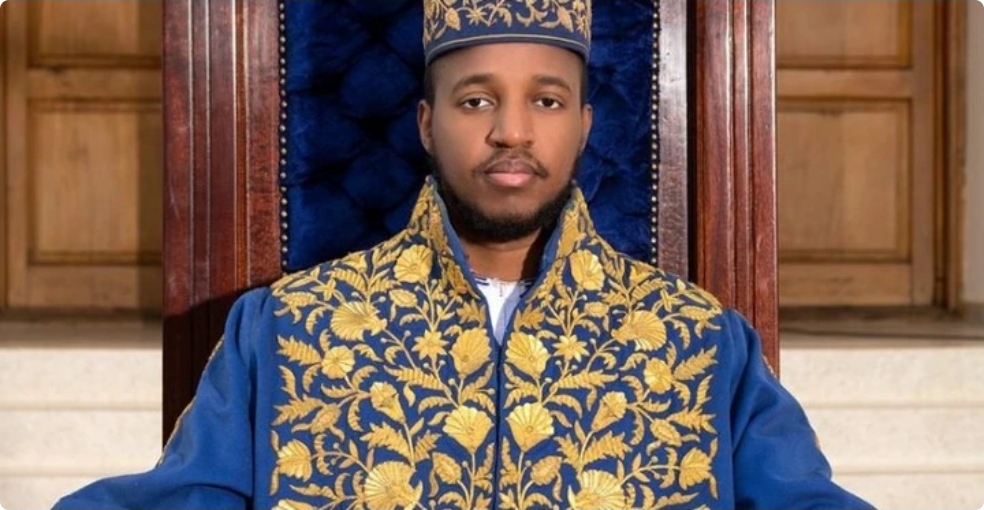 King Oyo’s Body to Arrive Thursday
Ultimate Uganda
King Oyo’s Body to Arrive Thursday
Ultimate Uganda
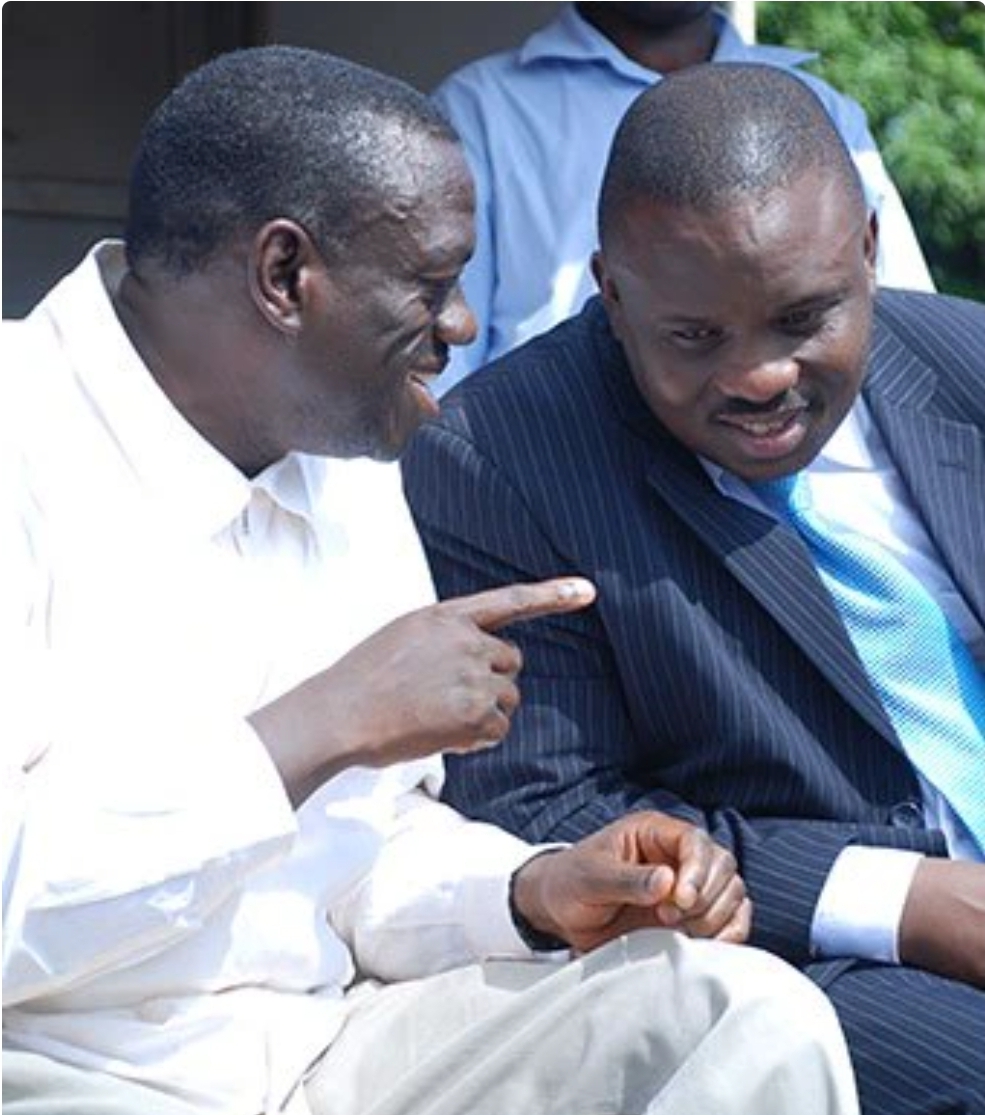 Besigye, Lukwago expected to meet Gen. Salim Saleh today at Kapeeke
Ultimate Uganda
Besigye, Lukwago expected to meet Gen. Salim Saleh today at Kapeeke
Ultimate Uganda
 Rwabwogo Advised to ‘Eat His Bishop’ As MK Prepares to Enter State H’se: PREZ MUSEVENI ON HIS WAY OUT
Ultimate Uganda
Rwabwogo Advised to ‘Eat His Bishop’ As MK Prepares to Enter State H’se: PREZ MUSEVENI ON HIS WAY OUT
Ultimate Uganda
0 Comments