
Wangadya’s Absence Deepens UHRC Leadership Crisis as COSASE Seeks Answers
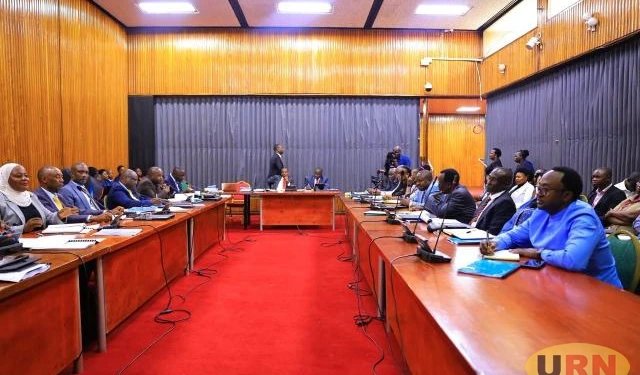

The leadership crisis at the Uganda Human Rights Commission (UHRC) came into sharp focus on Wednesday after Chairperson Mariam Wangadya failed to appear before the Committee on Commissions, Statutory Authorities and State Enterprises (COSASE), weeks after submitting her resignation amid allegations of political interference and corruption.
Wangadya was expected to appear before COSASE as MPs scrutinised the Commission’s operations and financial management. State Attorney General Sam Mayanja told Parliament earlier that Wangadya had only submitted a notice of resignation and therefore remained the substantive chairperson until the resignation is formally concluded.
Her absence immediately shifted the focus of the meeting from financial accountability to questions about who is currently steering the Commission after commissioners revealed that no leadership meeting has been held since March 2026. UHRC Commissioner Jacklet Atuhaire told MPs that although the Commission has no deputy chairperson, Wangadya remains responsible for convening meetings and providing leadership.
Atuhaire, who appeared visibly emotional during her submission, said the Commission had been unable to carry out key statutory functions, including tribunal sittings, because of the chairperson’s prolonged absence. “As a commission, we have cases that need to go to the tribunals and other matters that require the chairperson, but she is nowhere to be seen,†Atuhaire said.
She further disclosed that she had not personally seen Wangadya since March, despite occasionally reporting to the Commission’s offices. Committee members questioned why commissioners had not sought out Wangadya after learning that she had been at the office earlier this week. Atuhaire responded that she had not visited the chairperson’s office, maintaining that Wangadya had effectively been absent from the Commission’s activities for months.
Her account was corroborated by Commissioner Col. (Rtd) Stephen Basaliza, who confirmed that the Commission’s leadership had not convened a single meeting since March. “Since March, we have never had a commission meeting. So, in short, there has been no activity of the commission in leadership,†Basaliza told the committee. The revelations prompted COSASE Chairperson Muwada Nkunyingi to summon Wangadya to personally explain the state of affairs at the Commission.
“We are giving her and the commission a second chance… the matters to handle are very, very concerning,†Nkunyingi said. However, some members cautioned against turning the inquiry into what they described as a “fishing expedition.†They argued that the accounting officer should first explain the Commission’s governance structure, rules of procedure, and how the institution is expected to operate in the absence of its chairperson.
Several MPs noted that the testimony pointed to what one member described as “a breakdown in the internal control†of the Commission. The governance concerns emerge against the backdrop of Wangadya’s increasingly strained relationship with Parliament. Before announcing her resignation, Wangadya publicly complained of challenges affecting the Commission’s independence and operations.


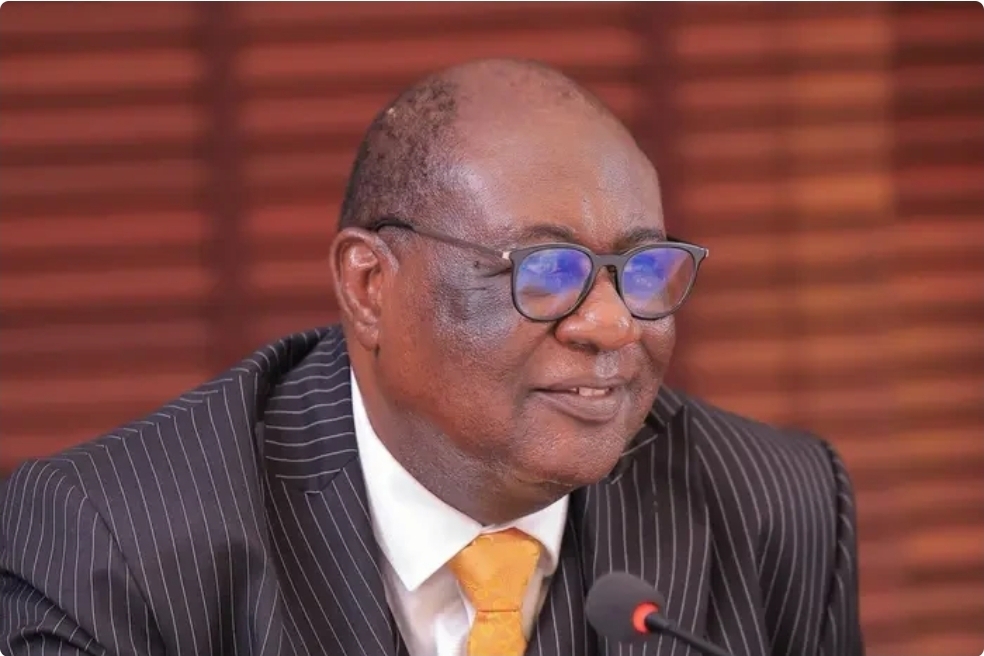 Government will not gazette Kijanangoma as King of Tooro for now - Attorney General insists
Ultimate Uganda
Government will not gazette Kijanangoma as King of Tooro for now - Attorney General insists
Ultimate Uganda
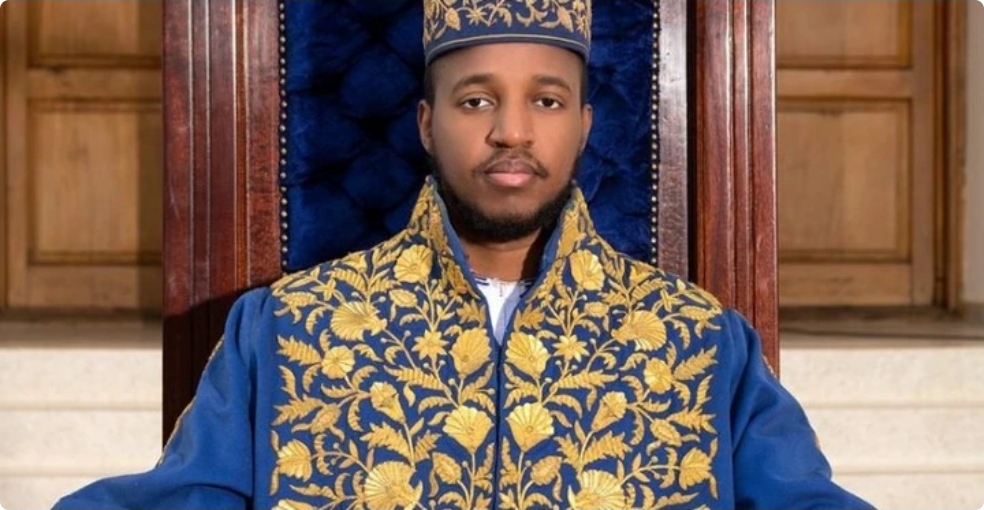 King Oyo’s Body to Arrive Thursday
Ultimate Uganda
King Oyo’s Body to Arrive Thursday
Ultimate Uganda
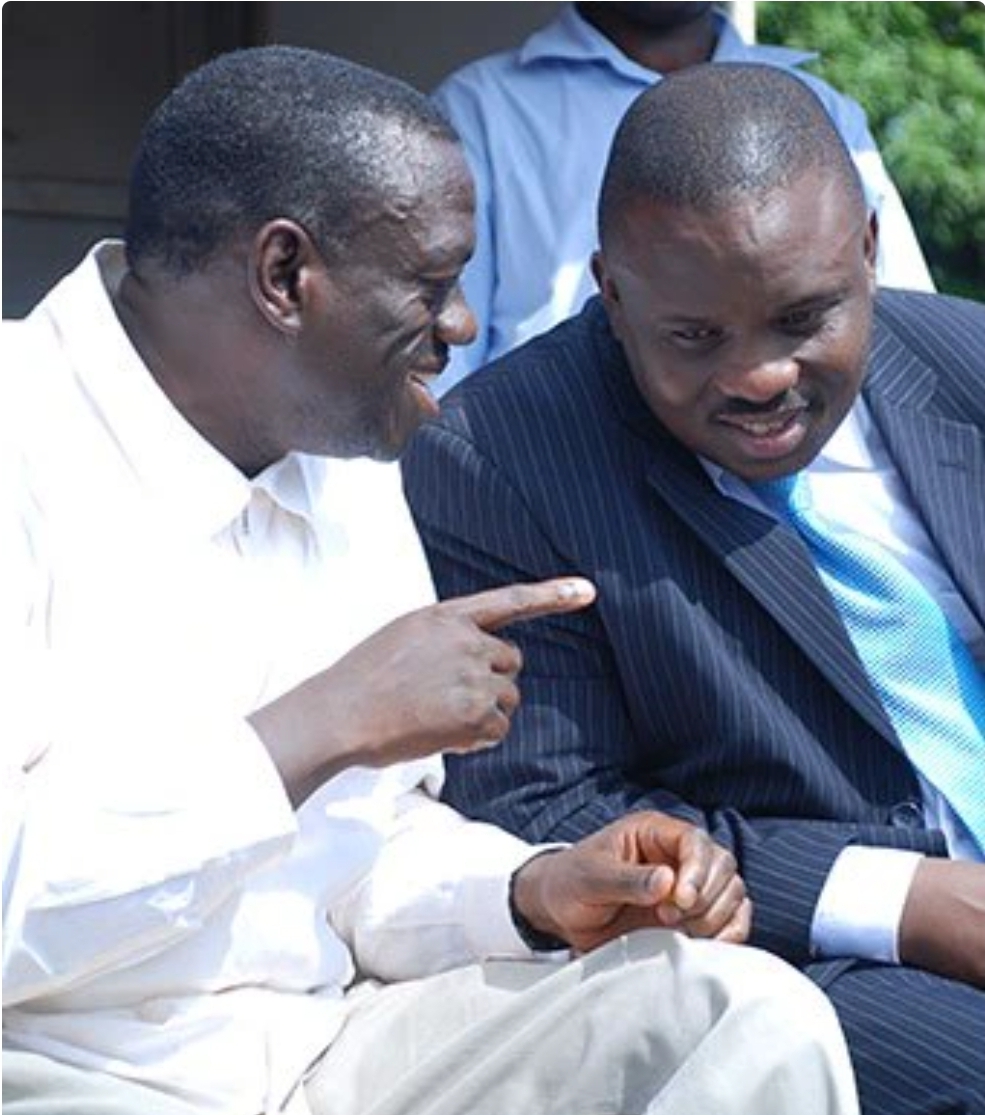 Besigye, Lukwago expected to meet Gen. Salim Saleh today at Kapeeke
Ultimate Uganda
Besigye, Lukwago expected to meet Gen. Salim Saleh today at Kapeeke
Ultimate Uganda
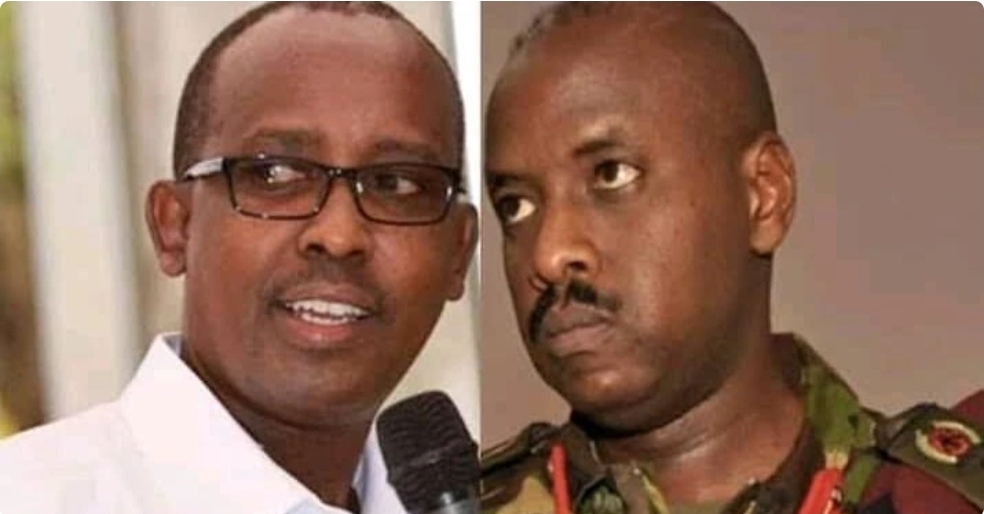 Rwabwogo Advised to ‘Eat His Bishop’ As MK Prepares to Enter State H’se: PREZ MUSEVENI ON HIS WAY OUT
Ultimate Uganda
Rwabwogo Advised to ‘Eat His Bishop’ As MK Prepares to Enter State H’se: PREZ MUSEVENI ON HIS WAY OUT
Ultimate Uganda
0 Comments