
Tribal or Selective Justice? Questions Mount Over Unequal Treatment in Parliament Investigations
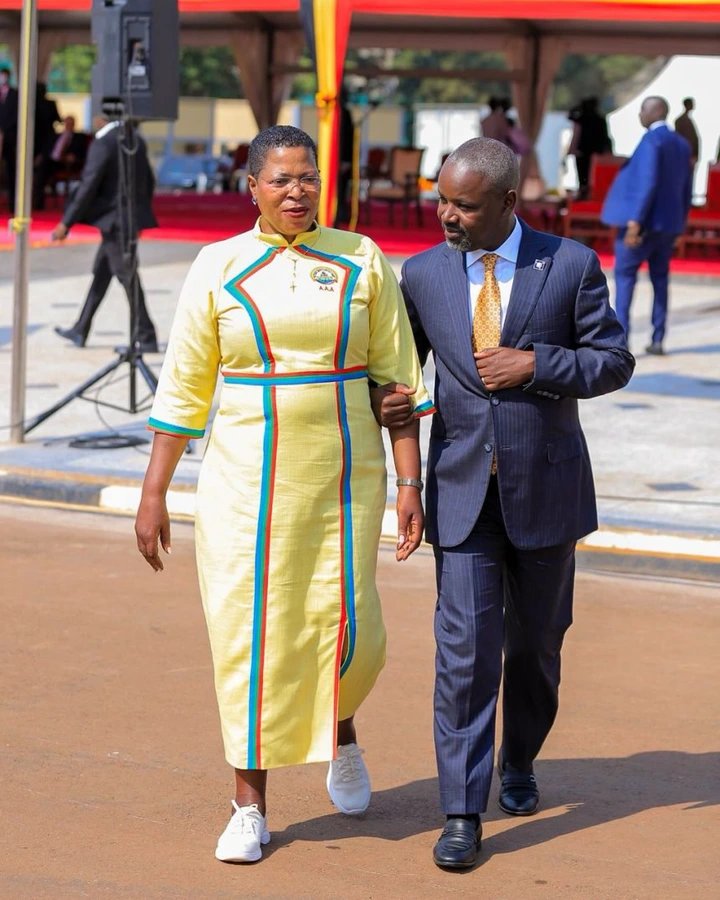

There is growing public concern over what many Ugandans perceive as selective handling of corruption and abuse of office allegations involving leaders and officials connected to Parliament. While the fight against corruption remains a necessary responsibility of any government institution, questions are increasingly being raised about whether accountability is being applied equally to all individuals who may have been involved.
The concern is not about defending anyone accused of wrongdoing. Any person found guilty of misusing public resources or abusing their office must face the law. However, justice must be fair, transparent and consistent. When some individuals are investigated, arrested and publicly scrutinised while others who held influential positions within the same institution appear not to face similar action, it creates concerns about unequal treatment.
The scrutiny surrounding former Speaker Anita Among has raised public debate, with some questioning why she appears to be facing investigations while other senior leaders who worked within the same parliamentary leadership structure, including former Deputy Speaker Thomas Tayebwa, have not faced similar levels of scrutiny and have continued with leadership responsibilities.
The questions are not limited to political leaders alone. Similar concerns have been raised about Parliament’s technical staff. Some members of the public are questioning why officials such as Parliament spokesperson Chris Obore and other staff members have been investigated and arrested, while questions remain over why other senior administrative officials, including Clerk to Parliament Adolf Mwesige, have not faced similar action despite holding a key position in the administration of Parliament.
Critics argue that accountability should not stop with selected individuals. If investigations are related to decisions, financial management or administrative actions within Parliament, then every person who had authority, responsibility or knowledge during the period under review should be subjected to the same level of scrutiny.
When some officials are held accountable while others connected to the same system appear untouched, it can create a perception that justice is selective. Such a situation may cause citizens to question whether investigations are being guided purely by evidence or influenced by political, regional or other considerations.
This is where concerns about tribal and selective justice begin to emerge. When people observe what appears to be unequal treatment, they may begin to believe that certain individuals or groups are being targeted while others are being protected. Whether such perceptions are accurate or not, they can weaken public trust in institutions responsible for upholding justice.
In a constitutional democracy, no one should be above the law. Leaders and public officials must answer questions where there is credible evidence of wrongdoing. However, the same standards of accountability must apply to everyone, regardless of position, influence, region or political connections.
George Orwell’s Animal Farm provides a powerful lesson about the dangers of applying rules differently to different people. When citizens believe that justice depends on who someone is rather than the evidence available, confidence in institutions begins to decline.
There are also serious concerns surrounding the management of public funds, including resources allocated for major parliamentary projects such as the construction of Parliament’s new building. Any credible allegations of misuse or mismanagement must be independently investigated, and every individual connected to decision-making processes should be treated equally.
The role of Parliament and other government institutions is not to protect individuals from accountability. Their responsibility is to protect public trust, uphold integrity and ensure that justice is applied fairly.
The fight against corruption must never appear to target specific individuals while ignoring others who may have played a role. Uganda needs a justice system where investigations are based on evidence and where every person is judged by the same standards.
Justice must not be selective. It must not create tribal perceptions. It must be equal for everyone.


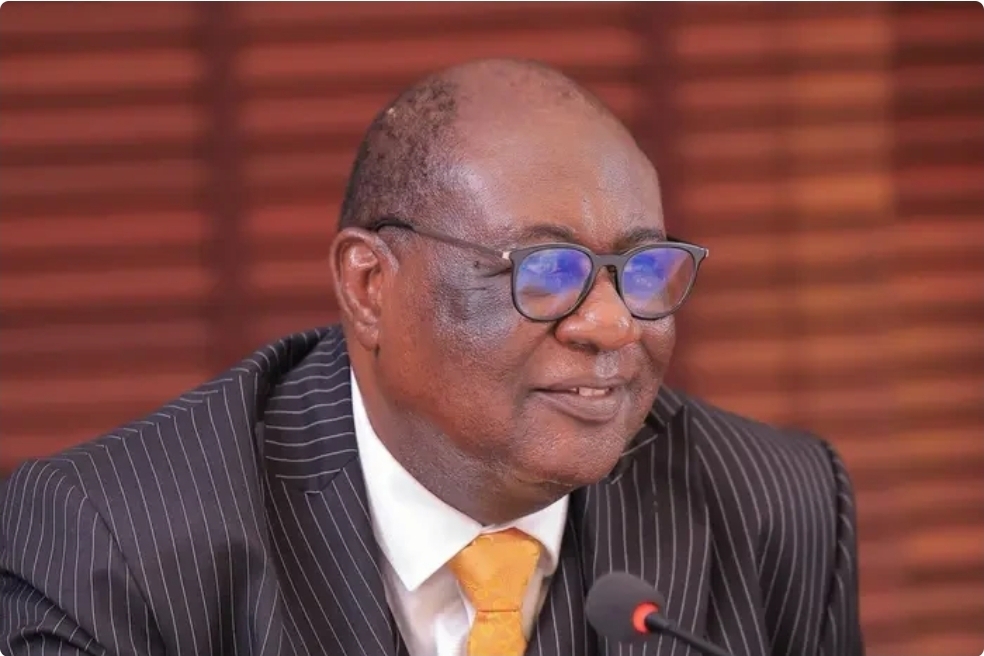 Government will not gazette Kijanangoma as King of Tooro for now - Attorney General insists
Ultimate Uganda
Government will not gazette Kijanangoma as King of Tooro for now - Attorney General insists
Ultimate Uganda
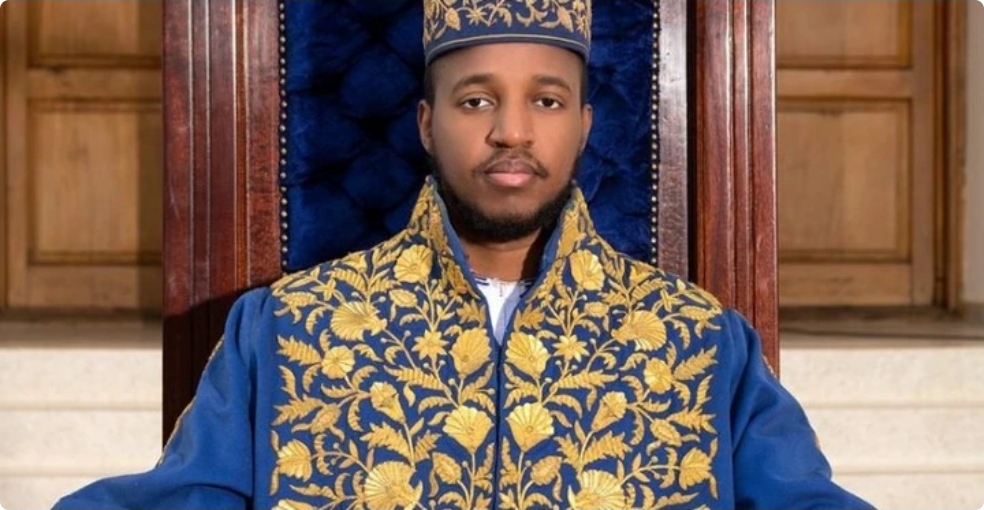 King Oyo’s Body to Arrive Thursday
Ultimate Uganda
King Oyo’s Body to Arrive Thursday
Ultimate Uganda
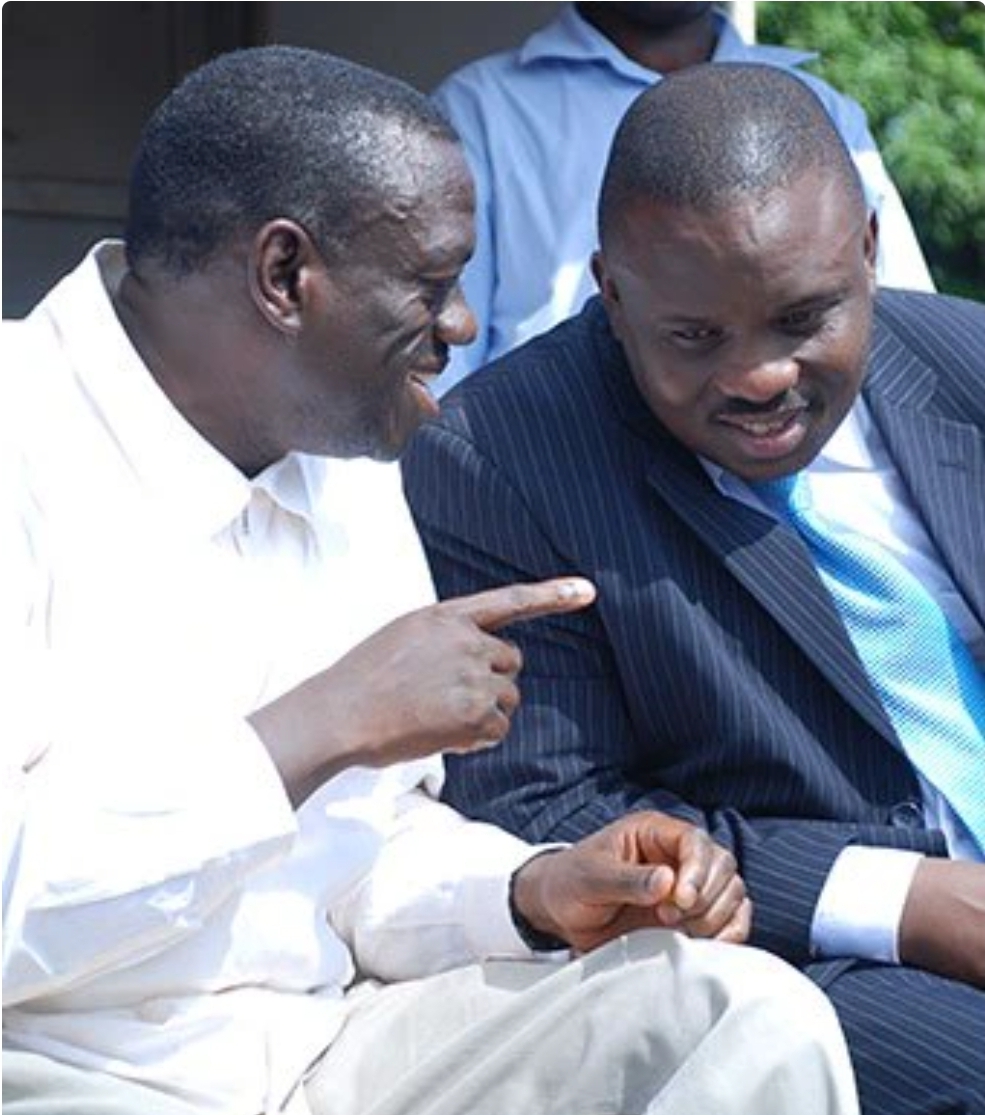 Besigye, Lukwago expected to meet Gen. Salim Saleh today at Kapeeke
Ultimate Uganda
Besigye, Lukwago expected to meet Gen. Salim Saleh today at Kapeeke
Ultimate Uganda
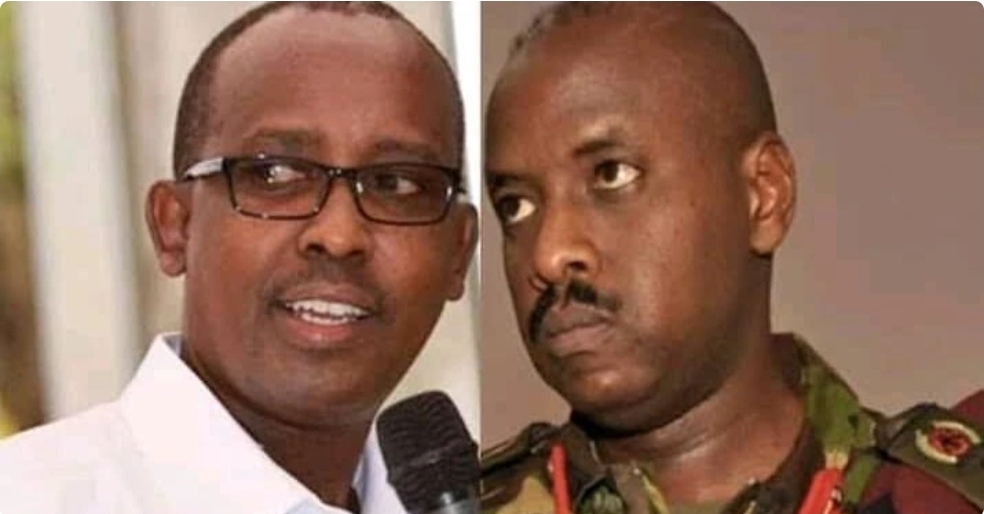 Rwabwogo Advised to ‘Eat His Bishop’ As MK Prepares to Enter State H’se: PREZ MUSEVENI ON HIS WAY OUT
Ultimate Uganda
Rwabwogo Advised to ‘Eat His Bishop’ As MK Prepares to Enter State H’se: PREZ MUSEVENI ON HIS WAY OUT
Ultimate Uganda
0 Comments