
UMA Orders Medical Interns to Report to Deployment Stations After Allowance Deal
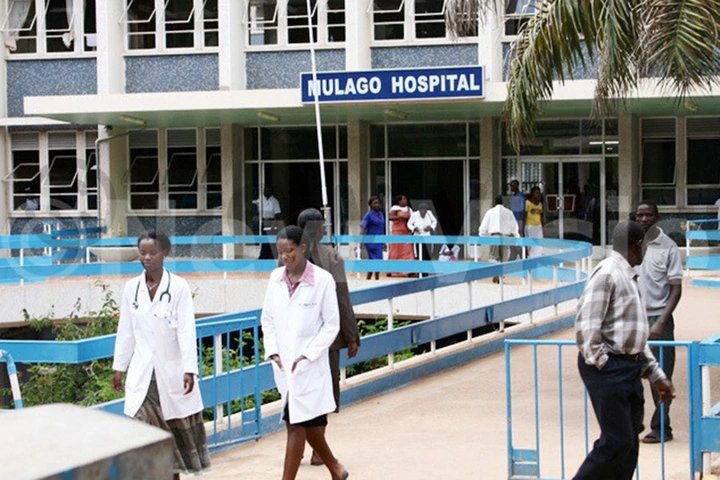

UMA Orders Medical Interns to Report to Deployment Stations After Allowance Deal
The association has called off its threat of industrial action and asked interns to resume training after government restored monthly facilitation, but warned that longer-term concerns still require a lasting solution.
The Uganda Medical Association (UMA) has directed all medical interns to report to their designated training facilities and begin work, following the government’s decision to restore facilitation for the current cohort.
In a statement dated August 18, UMA president Dr Frank Asiimwe said the dispute over internship facilitation had been “resolved, for now,” bringing an end to weeks of uncertainty over the deployment and welfare of newly qualified doctors.
The association urged all interns to immediately report to their assigned facilities and “serve our country with diligence and professionalism.”
The directive follows a government decision to restore a monthly gross allowance of Shs1,268,929 for the current cohort of medical interns, with the amount subject to tax, leaving interns with approximately Shs1 million net.
The government has also suspended the proposed distinction in facilitation between government-sponsored and privately sponsored interns, meaning both categories in the current cohort will receive the same allowance.
The decision has temporarily eased a standoff that had threatened to delay the deployment of thousands of young doctors to hospitals and other accredited training facilities across the country.
Although welcoming the restoration of facilitation, UMA said the latest arrangement should not be treated as a permanent solution to the challenges surrounding medical internship.
The association said it would continue engaging government and other stakeholders to find “permanent, viable solutions” to the problems affecting internship training.
UMA had earlier demanded a monthly allowance of Shs4 million for medical interns and called for the deployment of all eligible interns to accredited training sites.
About 2,417 interns were cited in the association’s earlier demands.
The association had also issued government a 14-day ultimatum on August 11, warning of possible industrial action unless outstanding concerns over the deployment and welfare of interns were addressed.
The ultimatum followed an extraordinary general assembly attended by about 4,500 doctors from Uganda and the diaspora.
The doctors expressed concern over delays in deployment and the government’s decision to withdraw internship facilitation.
The dispute had left newly qualified doctors caught between the requirement to undertake internship before fully entering professional practice and uncertainty over how they would finance the mandatory training period.
Medical internship involves supervised clinical training in hospitals and other accredited facilities, where graduates gain practical experience before becoming fully licensed to practise.
For many interns, the period also involves additional costs, including accommodation, transport, food and other professional expenses, particularly for those deployed away from their home districts.
The uncertainty over facilitation therefore triggered growing concern among interns and medical professionals.
Some interns protested over the delays and allowance arrangements, with eight later remanded to Luzira Prison following a demonstration.
UMA had demanded their release and warned that continued pressure on medical interns could further escalate tensions between the government and the medical fraternity.
The restoration of the allowance has now prompted the association to call for a return to duty.
The government’s decision comes alongside plans for a broader review of the internship system.
Cabinet has resolved that students who have completed five years of medical training should be allowed to graduate without waiting to complete internship.
Professional councils and other stakeholders have been given seven months to review the existing framework and recommend how internship should be handled.
The review will bring together the Uganda Medical and Dental Practitioners Council, Uganda Nurses and Midwives Council, Allied Health Professionals Council, Pharmaceutical Society, Uganda Medical Interns Association, institutions of higher learning and the ministries responsible for health, finance and public service.
The outcome of the review is expected to determine the future structure, financing and regulation of internship training.
For now, however, UMA has chosen to return interns to the hospitals while continuing discussions with government.
The association’s latest directive means the focus shifts from the dispute over deployment to the work that interns have been waiting to begin—long shifts in wards, emergency departments, operating theatres and other clinical settings as they complete the practical training required for their professional careers.


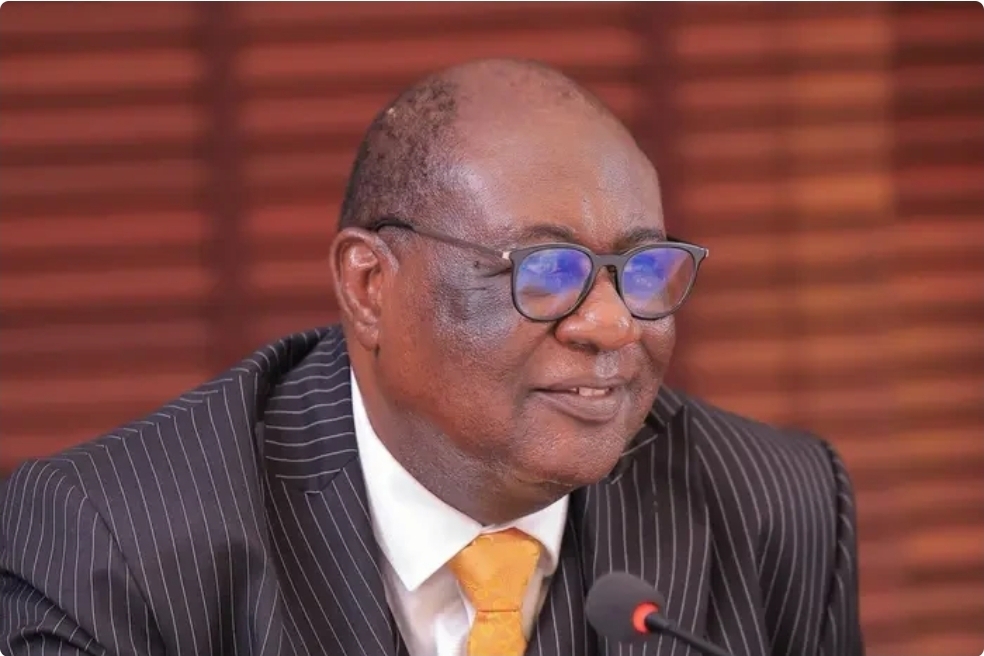 Government will not gazette Kijanangoma as King of Tooro for now - Attorney General insists
Ultimate Uganda
Government will not gazette Kijanangoma as King of Tooro for now - Attorney General insists
Ultimate Uganda
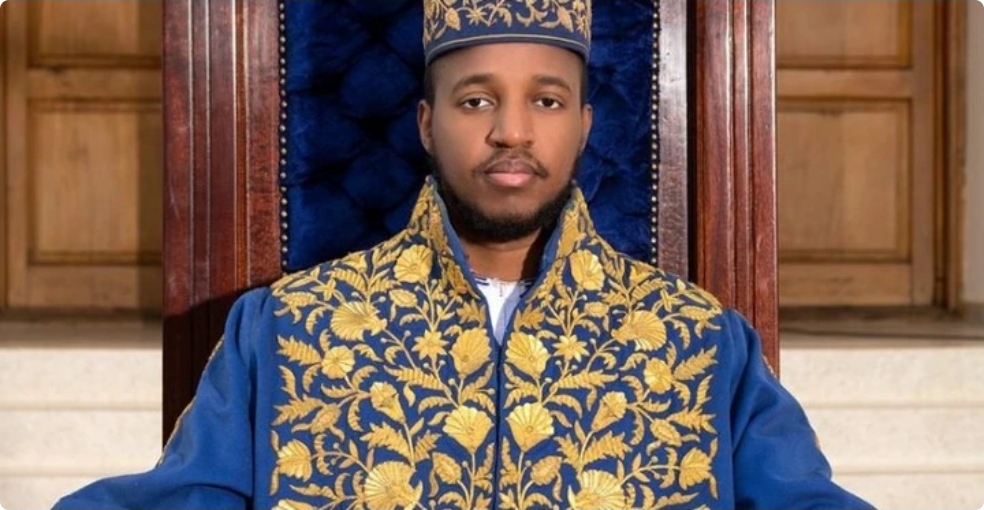 King Oyo’s Body to Arrive Thursday
Ultimate Uganda
King Oyo’s Body to Arrive Thursday
Ultimate Uganda
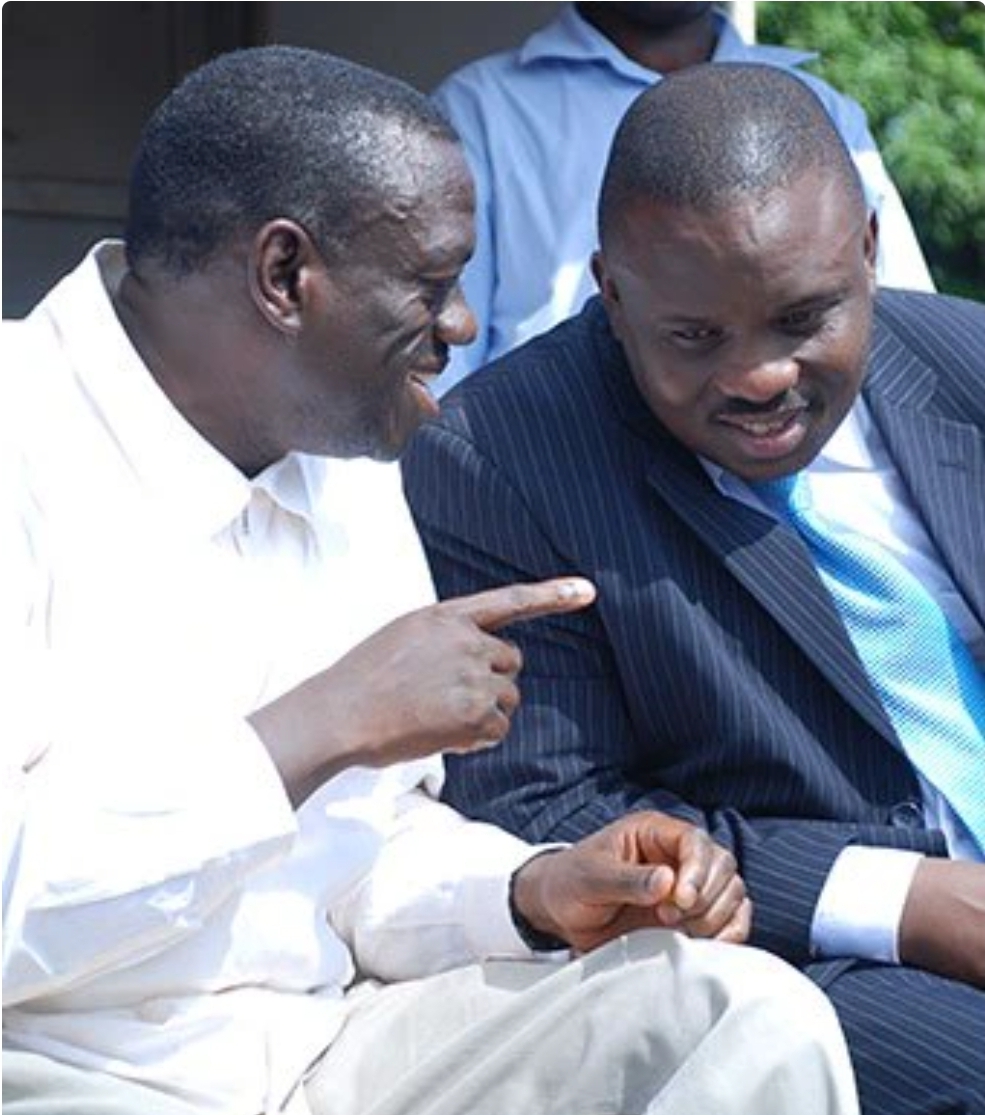 Besigye, Lukwago expected to meet Gen. Salim Saleh today at Kapeeke
Ultimate Uganda
Besigye, Lukwago expected to meet Gen. Salim Saleh today at Kapeeke
Ultimate Uganda
 Rwabwogo Advised to ‘Eat His Bishop’ As MK Prepares to Enter State H’se: PREZ MUSEVENI ON HIS WAY OUT
Ultimate Uganda
Rwabwogo Advised to ‘Eat His Bishop’ As MK Prepares to Enter State H’se: PREZ MUSEVENI ON HIS WAY OUT
Ultimate Uganda
0 Comments