
How the Busiro East Drama Exposes Bobi Wine’s Biggest Political Weakness
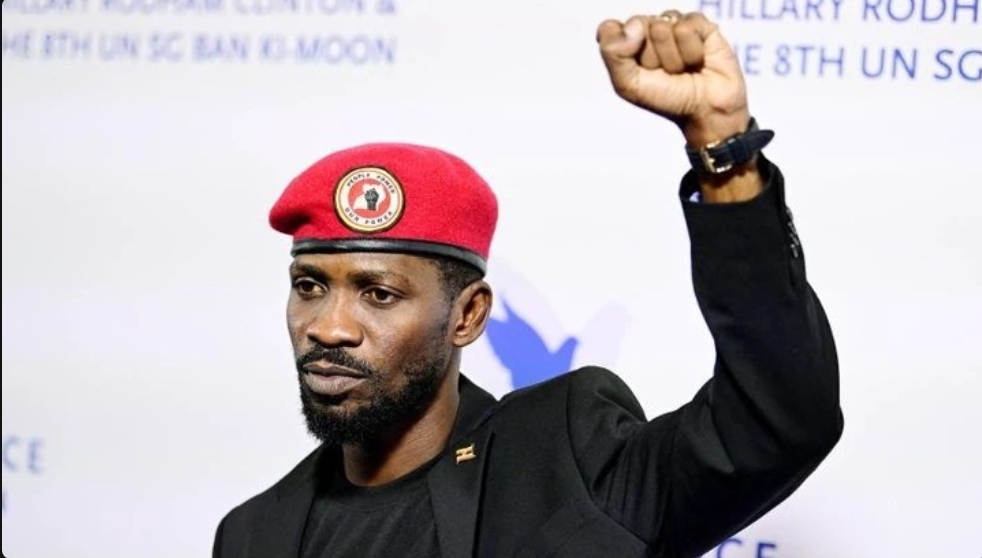

With only weeks left before campaigns close, Uganda’s political landscape is revealing who has the composure, experience, and strategic discipline required for national leadership. These qualities cannot be improvised — they must be lived.
Leadership and the Heavy Weight of Words
Bobi Wine has repeatedly criticized President Museveni for “chewing his words.†While Museveni, like many long-serving leaders, has shifted positions before, Bobi Wine built his brand on being different — a leader who supposedly speaks truth and stands by every word.
That means his statements carry far more weight.
And his long trail of contradictions is becoming increasingly hard to ignore.
Why the Spotlight Is Brighter on Him
Ugandans have lived through the Museveni era and understand it deeply. But Bobi Wine is the one promising a “new Uganda.†Naturally, he becomes the figure that journalists, analysts, and voters must scrutinize most closely.
His supporters may blame the system, the media, or state institutions for criticism — but accountability is part of seeking power.
When Bobi Wine’s Own Words Come Back to Bite Him
A moment that keeps resurfacing is Bobi Wine’s assertion that anyone who fails to get the NUP ticket and chooses to run independently is “a Museveni project†or an agent planted to weaken NUP.
But now reality has humbled that rhetoric.
In Busiro East, NUP’s flagbearer Mathias Walukaga (the kadongo kamu icon) has been disqualified by the Electoral Commission. This leaves the field with:
- Emmanuel Magoola Matovu
- Meddie Sseggona
- NRM’s Kiyimba
The contradiction is sharp:
Will Bobi Wine now support Magoola Matovu — a man who, by his own past words, would be labeled “a Museveni agent†simply because he is independent?
Or will he support Sseggona, whom he has previously been lukewarm about?
Busiro East has placed Bobi Wine in a rhetorical trap he built himself.
Museveni’s Strategic Genius With Independents
While Bobi Wine has openly insulted independents, President Museveni has consistently taken a far more calculated — and politically mature — approach:
He does not vilify independents.
He never labels them as “traitors†or “projects.â€
He allows them to speak, run, and justify their decisions without burning the relationship.
Some voluntarily step down after private consultations — not public humiliation.
Those who continue running often enter Parliament still NRM-leaning, and they naturally align with the NRM agenda.
This is not an accident.
Museveni understands political psychology. He treats independents as potential allies, not enemies, ensuring the NRM umbrella stays broad and cohesive.
This elegant diplomacy stands in stark contrast to Bobi Wine’s confrontational, emotionally charged approach.
A Pattern of Self-Inflicted Own Goals
Beyond Busiro East, Bobi Wine has trapped himself in similar contradictions:
Encouraging supporters to behave “like rebels,†then crying foul when security treats them as a threat.
Rhetorically provoking the state, then appealing for sympathy when the state responds.
Making bold declarations, then reversing them when circumstances change.
These repeated inconsistencies portray him as reactive, inexperienced, and easily cornered by his own statements.
The Busiro East Test
The court’s decision on Walukaga’s case will determine NUP’s technical pathway — but the political damage is already visible. Busiro East has become a real-time examination of Bobi Wine’s maturity, consistency, and strategic discipline.
Will he stand by his own rhetoric?
Or will he quietly abandon it now that it inconveniences him?
Either way, one truth has become undeniable:
Bobi Wine’s biggest political weakness is not his opponents — it is his own mouth


 Government will not gazette Kijanangoma as King of Tooro for now - Attorney General insists
Ultimate Uganda
Government will not gazette Kijanangoma as King of Tooro for now - Attorney General insists
Ultimate Uganda
 King Oyo’s Body to Arrive Thursday
Ultimate Uganda
King Oyo’s Body to Arrive Thursday
Ultimate Uganda
 Besigye, Lukwago expected to meet Gen. Salim Saleh today at Kapeeke
Ultimate Uganda
Besigye, Lukwago expected to meet Gen. Salim Saleh today at Kapeeke
Ultimate Uganda
 Rwabwogo Advised to ‘Eat His Bishop’ As MK Prepares to Enter State H’se: PREZ MUSEVENI ON HIS WAY OUT
Ultimate Uganda
Rwabwogo Advised to ‘Eat His Bishop’ As MK Prepares to Enter State H’se: PREZ MUSEVENI ON HIS WAY OUT
Ultimate Uganda
0 Comments