
Museveni Warns Security Againsy Election Violence; ‘Torture, Beatings are Unnecessary’
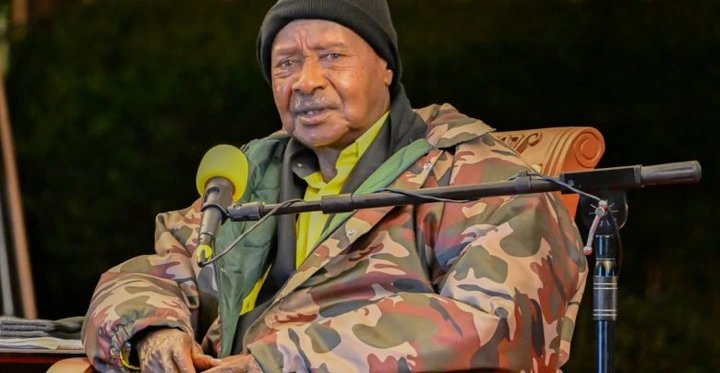

President Museveni on Wednesday warned security personnel against using excessive force during elections, saying beatings and torture were unnecessary and avoidable, remarks that come amid long-standing accusations by the opposition that security agencies routinely abuse political supporters.
“Beating people shows lack of patience. Torture during elections is not necessary, and I will engage the security forces on this,†Museveni said, while stressing that maintaining peace remained a national priority.
“No one will be allowed to disturb Uganda’s peace. Those who attempt to cause disorder will be dealt with according to the law,†he added.
Museveni’s comments come against the backdrop of repeated claims by the main opposition National Unity Platform (NUP) that security forces have used heavy-handed tactics during election periods, including beatings, torture and prolonged detentions of its supporters. NUP, led by opposition figure Robert Kyagulanyi, also known as Bobi Wine, has accused police and the military of violently breaking up rallies and targeting activists, allegations the government has previously denied.
The president also rejected arguments that security agencies are overstretched during public disorder, saying discipline and organisation, rather than numbers, are key to maintaining law and order. “I have heard statements suggesting there are few soldiers and many rioters. Peace and order are maintained through organisation, not numbers alone,†he said.
Turning to development, Museveni said the Greater Mubende sub-region had made progress but still faced gaps linked to leadership and prioritisation.
He cited low access to safe water in Kasanda district.
“Kasanda has only 34% access to safe water. That reflects leadership choices,†he said, while pointing to improvements in electricity, roads, telecommunications, schools and health centres in areas such as Kyankwanzi.
On health, Museveni attributed population growth in parts of the region to government immunisation programmes.
“Mityana now has over 400,000 people. The population increased because children are surviving,†he said.
He said government could achieve more through disciplined use of public resources.
“We prioritise and do things step by step. We do not scatter budgets,†Museveni said, pledging continued work on the Kakono–Manyi–Mubende–Sekanyonyi–Busujju road.
On jobs, the president reiterated that the state could not be the main employer in a country nearing 50 million people. “Government jobs are about 480,000.
Real jobs come from wealth — factories, commercial agriculture, services and ICT,†he said, adding that new factories employ about 1.3 million Ugandans.
Museveni also defended free education, blaming school dropouts on the return of school charges. “When we introduced UPE, charges came back, and that led to dropouts,†he said, urging young people across political divides to support the policy.
He said those who dropped out were being absorbed into presidential skilling hubs.
On economic strategy, Museveni warned against inward-looking policies, criticising opposition leaders for failing to emphasise regional markets. “None of the opposition presidential candidates talk about the regional market. That thinking is dangerous,†he said, stressing regional integration.
“Our elders taught us ‘Uhuru na Umoja’ — freedom and unity. Being a big fish in small ponds weakens us,†Museveni added.


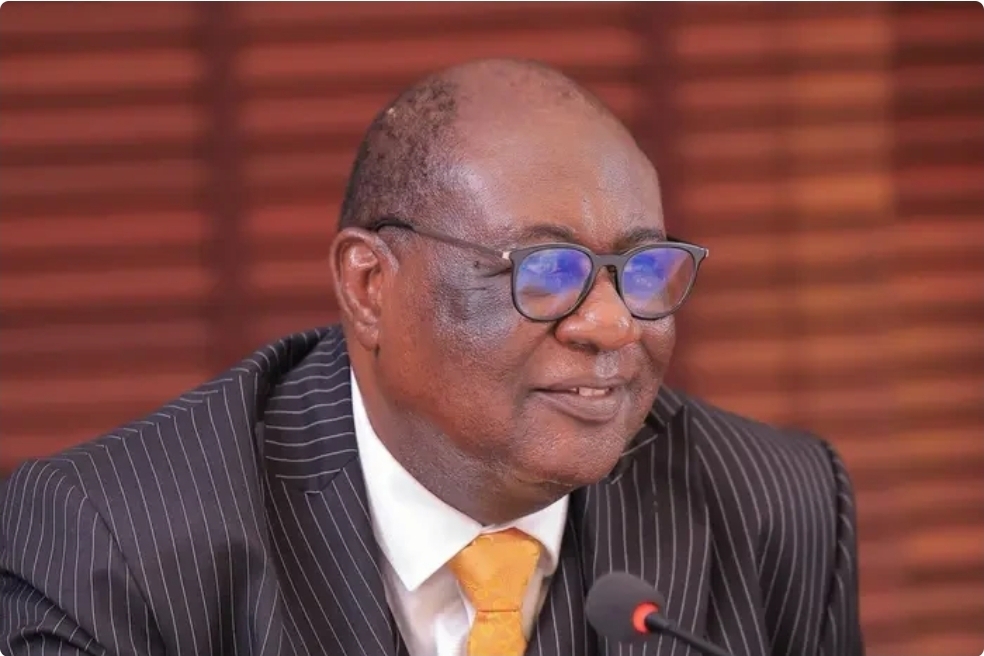 Government will not gazette Kijanangoma as King of Tooro for now - Attorney General insists
Ultimate Uganda
Government will not gazette Kijanangoma as King of Tooro for now - Attorney General insists
Ultimate Uganda
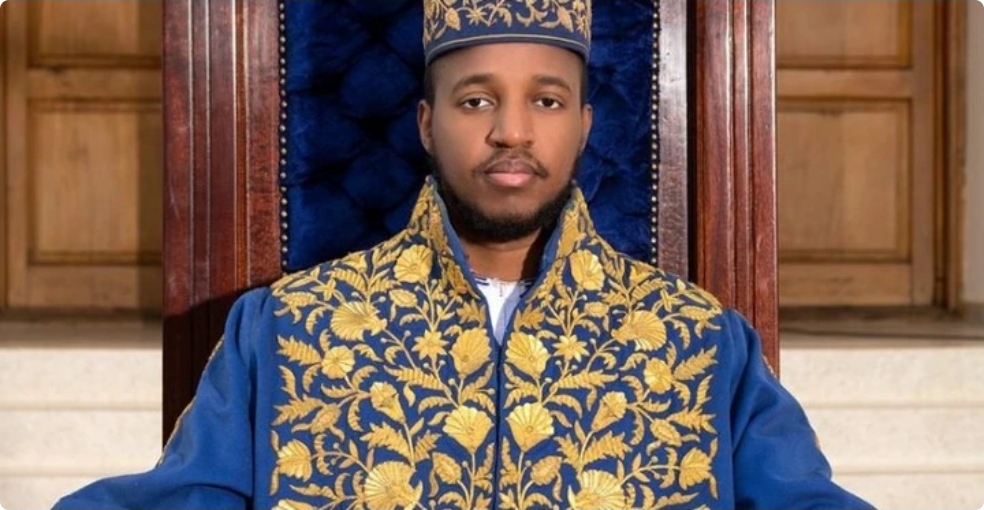 King Oyo’s Body to Arrive Thursday
Ultimate Uganda
King Oyo’s Body to Arrive Thursday
Ultimate Uganda
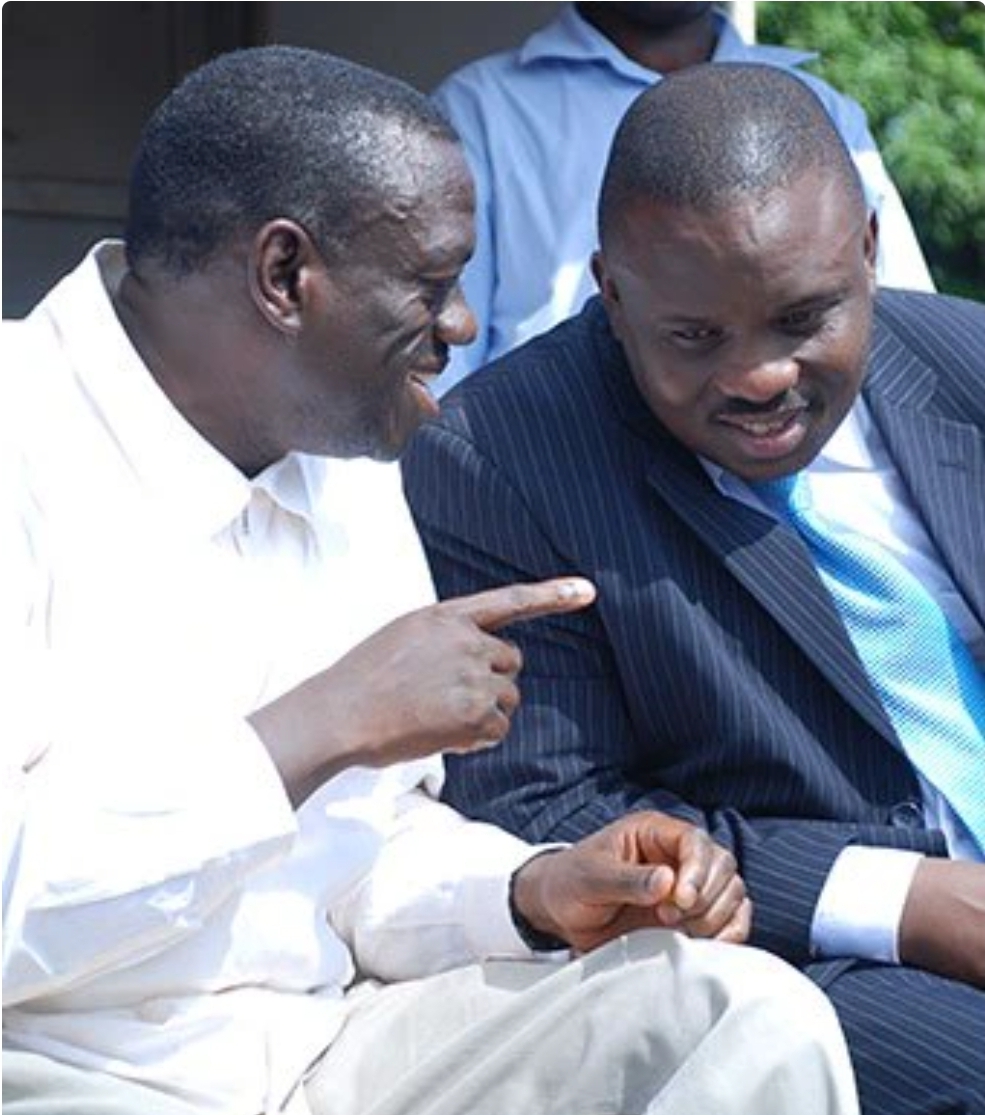 Besigye, Lukwago expected to meet Gen. Salim Saleh today at Kapeeke
Ultimate Uganda
Besigye, Lukwago expected to meet Gen. Salim Saleh today at Kapeeke
Ultimate Uganda
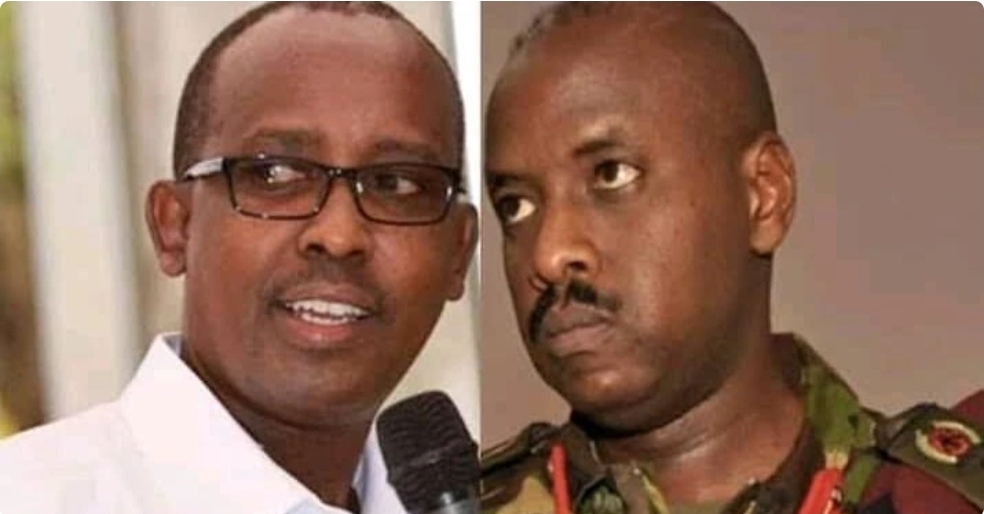 Rwabwogo Advised to ‘Eat His Bishop’ As MK Prepares to Enter State H’se: PREZ MUSEVENI ON HIS WAY OUT
Ultimate Uganda
Rwabwogo Advised to ‘Eat His Bishop’ As MK Prepares to Enter State H’se: PREZ MUSEVENI ON HIS WAY OUT
Ultimate Uganda
0 Comments