
Uganda Shillings Strengthens as Exports and Investor Confidence Rise – BoU
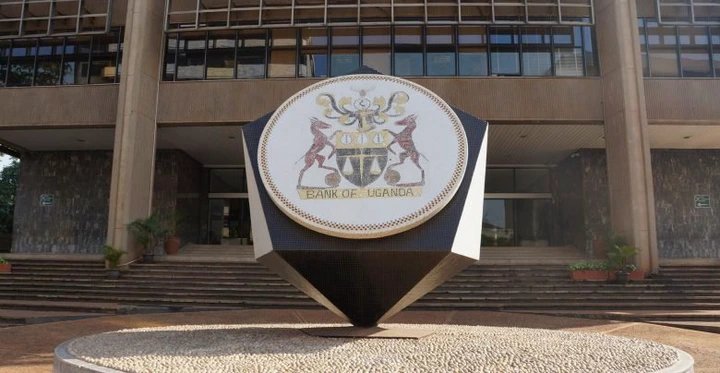

Kampala — The Uganda shilling strengthened strongly in 2025, becoming one of the best-performing currencies in the region, helped by higher export earnings, increased foreign investment and reforms in the foreign exchange market, the Bank of Uganda has said.
In its November Monetary Policy Report, the central bank said the shilling appreciated by 5.6% against the U.S. dollar in October, trading at an average of Shs 3,462 per dollar.
On a broader measure, Uganda’s Nominal Effective Exchange Rate (NEER) — which compares the shilling to a basket of trading partner currencies — rose by 4.85% year-on-year.
“This appreciation indicates an improvement in Uganda’s external purchasing power and signals relative macro-financial stability in the foreign exchange market,†the Bank of Uganda said.
The central bank explained that the stronger shilling was driven by both global and domestic factors.
“The strengthening of the UGX during the period was attributed to a combination of external and domestic market factors,†the BoU said, pointing to increased participation by offshore investors in government securities, which provided a stable supply of foreign exchange.
Uganda also benefited from strong export earnings, especially from coffee and gold, which have been selling at record international prices.
“Global demand and favourable international prices for Uganda’s core commodity exports such as coffee and gold led to higher foreign exchange receipts,†the report said.
In addition, easing global financial conditions played a role. The central bank noted that changes in U.S. monetary policy reduced the attractiveness of holding U.S. dollar assets, encouraging investors to shift capital toward emerging and frontier markets like Uganda.
Looking at the longer term, the Bank of Uganda said the shilling outperformed all peer currencies between 2021 and 2025, posting an average annual appreciation of 0.5%, while many regional currencies weakened sharply.
The central bank linked this performance to reforms in the foreign exchange market.
“Key measures included the liberalisation of market operations, strengthening of interbank liquidity conditions, and the introduction of a cross-currency repurchase arrangement to improve FX liquidity management and market functioning,†the BoU said.
Uganda has also adopted international standards by formally endorsing the FX Global Code, which the central bank said has improved transparency and market confidence.
However, the BoU cautioned that risks remain.
“A risk assessment for the Uganda shilling shows that the shilling could face depreciation pressures if geopolitical tensions escalate, which would elevate global commodity prices and increase Uganda’s import bill,†the report said.
There is also a risk of portfolio outflows to regional economies, which could weaken the shilling.
On the positive side, the central bank said the currency could strengthen further if global monetary policy conditions loosen, concessional financing from development partners resumes, and export demand for commodities such as coffee and base metals remains strong.


 Government will not gazette Kijanangoma as King of Tooro for now - Attorney General insists
Ultimate Uganda
Government will not gazette Kijanangoma as King of Tooro for now - Attorney General insists
Ultimate Uganda
 King Oyo’s Body to Arrive Thursday
Ultimate Uganda
King Oyo’s Body to Arrive Thursday
Ultimate Uganda
 Besigye, Lukwago expected to meet Gen. Salim Saleh today at Kapeeke
Ultimate Uganda
Besigye, Lukwago expected to meet Gen. Salim Saleh today at Kapeeke
Ultimate Uganda
 Rwabwogo Advised to ‘Eat His Bishop’ As MK Prepares to Enter State H’se: PREZ MUSEVENI ON HIS WAY OUT
Ultimate Uganda
Rwabwogo Advised to ‘Eat His Bishop’ As MK Prepares to Enter State H’se: PREZ MUSEVENI ON HIS WAY OUT
Ultimate Uganda
0 Comments