
Byanyima and Kanyamunyu Clash Over Prison, Civic Duty Ahead of Uganda Elections
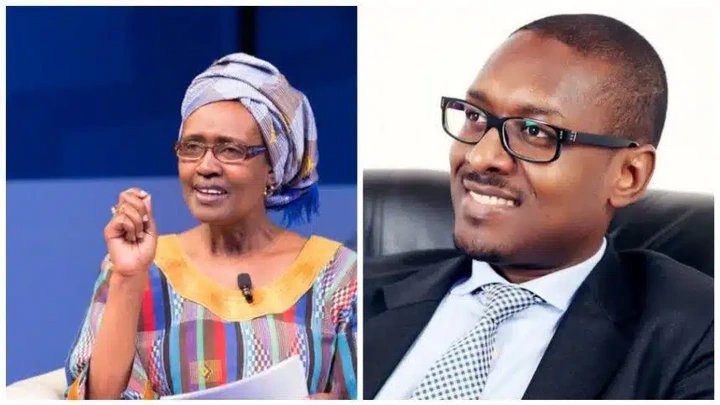

A public exchange between Winnie Byanyima, Executive Director of Oxfam International, and her nephew Matthew Kanyamunyu has ignited national debate on political repression, civic participation and the limits of personal testimony in Uganda’s charged election season.
The debate was triggered by a tweet from Kanyamunyu in which he warned Ugandans against participating in activities that could land them in prison during the upcoming elections. Drawing from his own experience of incarceration, he described prison as a psychologically brutal space and urged citizens to “think twice before you are used,†questioning whether the risks were worth what he termed a “losing wager.â€
“I find myself feeling sorrow for those who will end up in jail for causing trouble during these upcoming elections,†Kanyamunyu wrote, adding that fear in prison “consolidates†rather than fades, leaving lasting psychological damage.
The remarks drew sharp criticism, particularly from activists and opposition supporters who accused him of equating political imprisonment with criminal incarceration and discouraging civic engagement.
Winnie Byanyima responded directly, rejecting what she described as a dangerous moral equivalence.
“Citizens who are jailed for voting, organising, protesting, or holding dissenting political views are not ‘causing trouble’ — they are exercising constitutional rights,†Byanyima stated. “To suggest that people should withdraw from civic life to avoid prison is to normalise repression and shift responsibility from an abusive state onto its victims.â€
Byanyima acknowledged the reality and brutality of prison but argued that fear must not be used to justify silence. “History teaches us that surrendering rights because the cost is high only guarantees more injustice, not safety,†she said, affirming her support for peaceful civic participation and resistance to political imprisonment.
Kanyamunyu later issued a lengthy response addressing both Byanyima and the wider public backlash. He conceded his past wrongdoing and defended his right to speak publicly after serving his sentence.
“It is true that in the past I caused grave harm without intention. I took responsibility under the law, and under custom,†he wrote. “I do not deny what happened nor do I claim absolution from its consequences.â€
In 2016, Kanyamunyu shot and killed Kenneth Akena, a child rights activist, following a traffic altercation in Kampala. After initially contesting the charges, he later pleaded guilty to manslaughter under a plea bargain, was convicted, and served a prison sentence at Luzira. He also underwent Acholi traditional justice processes, including reconciliation rituals facilitated by the Ker Kal Kwaro Acholi, and paid restitution to the deceased’s family, who accepted reconciliation.
Kanyamunyu expressed deep gratitude to the Acholi traditional leaders and Akena’s family, describing their forgiveness as an enduring moral lesson.
“What we should reject is the idea that once accountability has been met, a person must remain permanently silent or irretrievably erased,†he argued, adding that a polarised society often refuses forgiveness because it forces uncomfortable truths about human fallibility.
The public exchange has reopened broader conversations about accountability, redemption, and moral authority in political discourse. While some Ugandans agree with Kanyamunyu’s cautionary message about the realities of prison, others side with Byanyima, insisting that warning citizens away from political participation — especially in a context of alleged state repression — risks legitimising injustice.
The fact that the debate involves close family members has further amplified its impact, underscoring the deeply personal and political fault lines shaping Uganda’s civic space ahead of the elections.
As the country moves toward another tense electoral cycle, the exchange highlights a central question: how should lived experience be weighed against constitutional rights, and where does personal accountability end — and civic responsibility begin?


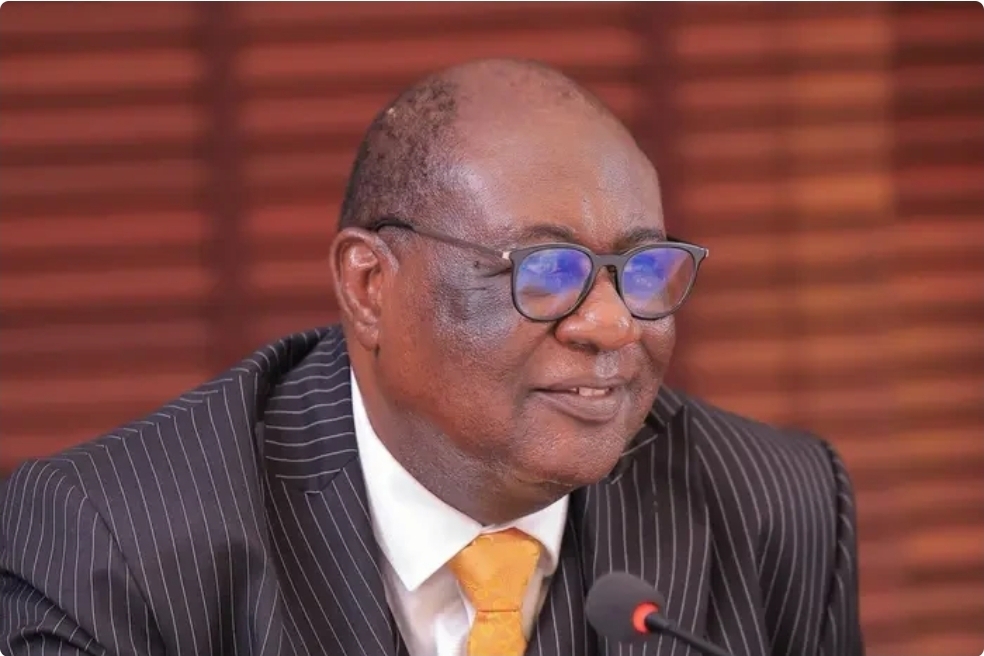 Government will not gazette Kijanangoma as King of Tooro for now - Attorney General insists
Ultimate Uganda
Government will not gazette Kijanangoma as King of Tooro for now - Attorney General insists
Ultimate Uganda
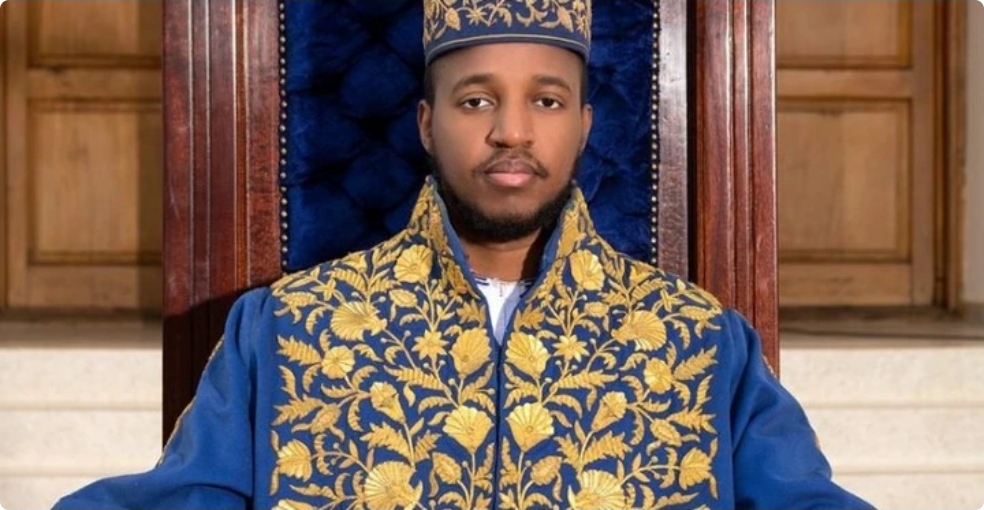 King Oyo’s Body to Arrive Thursday
Ultimate Uganda
King Oyo’s Body to Arrive Thursday
Ultimate Uganda
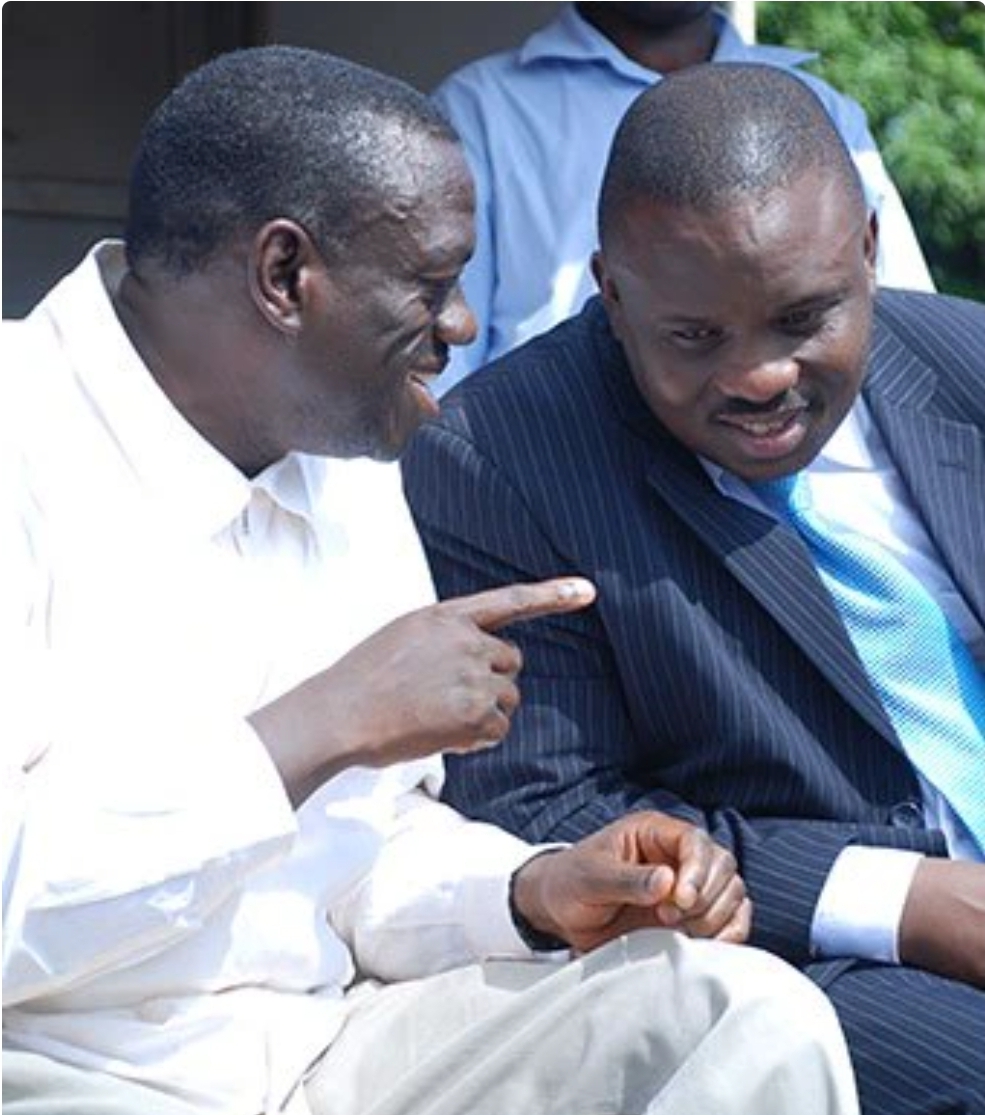 Besigye, Lukwago expected to meet Gen. Salim Saleh today at Kapeeke
Ultimate Uganda
Besigye, Lukwago expected to meet Gen. Salim Saleh today at Kapeeke
Ultimate Uganda
 Rwabwogo Advised to ‘Eat His Bishop’ As MK Prepares to Enter State H’se: PREZ MUSEVENI ON HIS WAY OUT
Ultimate Uganda
Rwabwogo Advised to ‘Eat His Bishop’ As MK Prepares to Enter State H’se: PREZ MUSEVENI ON HIS WAY OUT
Ultimate Uganda
0 Comments