
UCC POINTS AT BoU, TELCOS POINT AT UCC! Inside the Mobile Money shutdown mystery no one wants to own
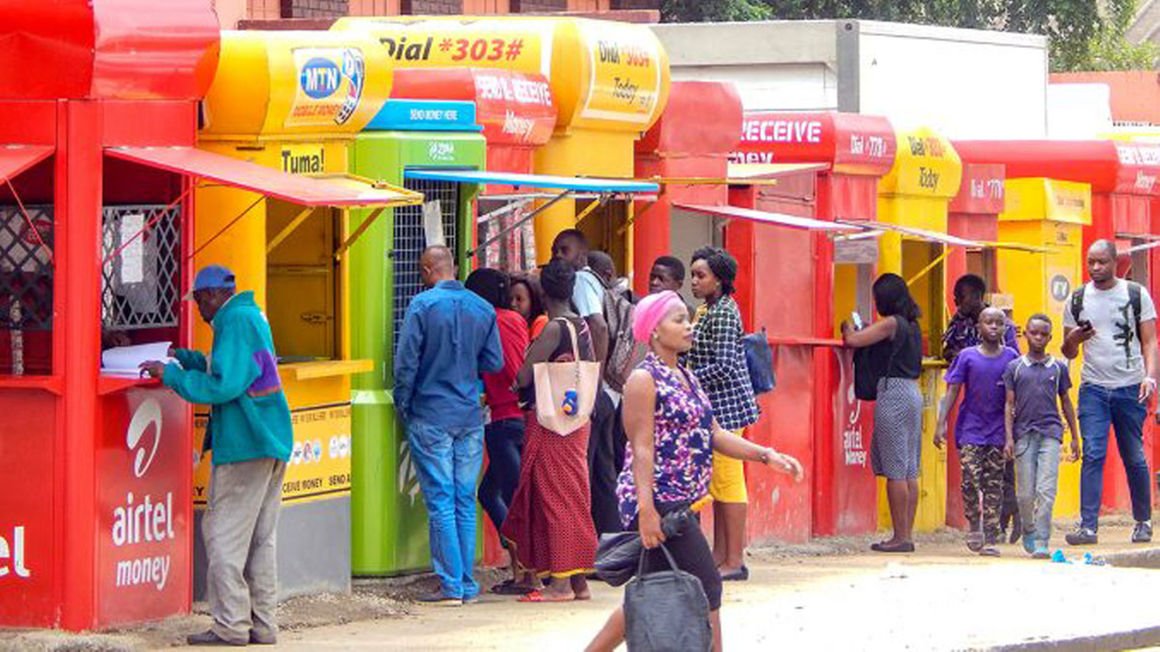

As mobile money services finally flicker back to life, one thing remains completely offline: accountability.
For nearly a week during the tense election period, millions of Ugandans were left stranded — unable to withdraw their own money, forced to beg agents, ration transactions, or in some cases cross into Kenya just to access cash. Yet as the dust settles, no institution wants to admit who exactly ordered the plug pulled.
The Uganda Communications Commission (UCC) says it wasn’t them.
The telecom companies say they were following UCC directives.
And the Bank of Uganda — the legal regulator of mobile money — has chosen silence.
The blackout conveniently coincided with the internet shutdown imposed during the elections. UCC boss Nyombi Thembo justified the internet restrictions as a way to curb “misinformation and incitement,†promising that essential services would remain untouched. But on the ground, reality told a different story.
Mobile money withdrawals — the lifeline of the informal economy — were crippled. Agents couldn’t cash out customers. Users were capped at a handful of transactions a day. For a country where UGX 8 billion moves daily through mobile money, mostly in small amounts used for food, transport, rent, and medicine, the impact was devastating.
And the questions came fast: How does withdrawing UGX 20,000 threaten national security? Who exactly decided that voters shouldn’t access their money?
When pressed, UCC distanced itself, saying mobile money falls under the Bank of Uganda as per the National Payments Systems Act 2020. UCC spokesperson Ibrahim Bbossa even called it a “miscommunication†to suggest UCC issued instructions affecting withdrawals.
Yet telecoms told a different story. MTN, which controls over half the mobile money market, publicly stated that restrictions were still in place as per UCC directive. Airtel followed similar lines. Someone, clearly, was giving orders — but no one wants to sign them.
Civil society wasn’t buying the confusion. CIPESA (Collaboration on International ICT Policy for East and Southern Africa) condemned the shutdowns, calling them reckless and harmful, while constitutional lawyer Philip Byarugaba slammed the actions as illegal and unconstitutional, asking under what law citizens’ rights to livelihood, information, and expression were being restricted.
Online, Ugandans were blunter. “If social media was the problem,†one user asked, “who was mobile money ‘misinforming’?†Others wondered whether UCC had quietly taken over the role of the Bank of Uganda — including safeguarding people’s money.
Behind the scenes, an IT expert linked to security agencies hinted at the truth: mobile money depends heavily on data connectivity. With the internet crippled, withdrawals — which carry higher fraud risks — became the first casualty. Telecoms, acting under regulator pressure, imposed limits even after partial restoration.
But here’s the problem: technical explanations don’t replace legal responsibility.
Someone made the decision to interfere with a financial system used by millions of ordinary Ugandans. Someone decided that during elections, access to cash was optional. And now, as services resume, that someone has vanished behind bureaucratic finger-pointing.
Ugandans are no longer just asking what happened.
They’re asking who did it — and why no one is answering.
Until the Bank of Uganda speaks, the mobile money shutdown will remain what it already feels like to many citizens: a quiet abuse of power, disguised as a security threat or technical glitch.


 Government will not gazette Kijanangoma as King of Tooro for now - Attorney General insists
Ultimate Uganda
Government will not gazette Kijanangoma as King of Tooro for now - Attorney General insists
Ultimate Uganda
 King Oyo’s Body to Arrive Thursday
Ultimate Uganda
King Oyo’s Body to Arrive Thursday
Ultimate Uganda
 Besigye, Lukwago expected to meet Gen. Salim Saleh today at Kapeeke
Ultimate Uganda
Besigye, Lukwago expected to meet Gen. Salim Saleh today at Kapeeke
Ultimate Uganda
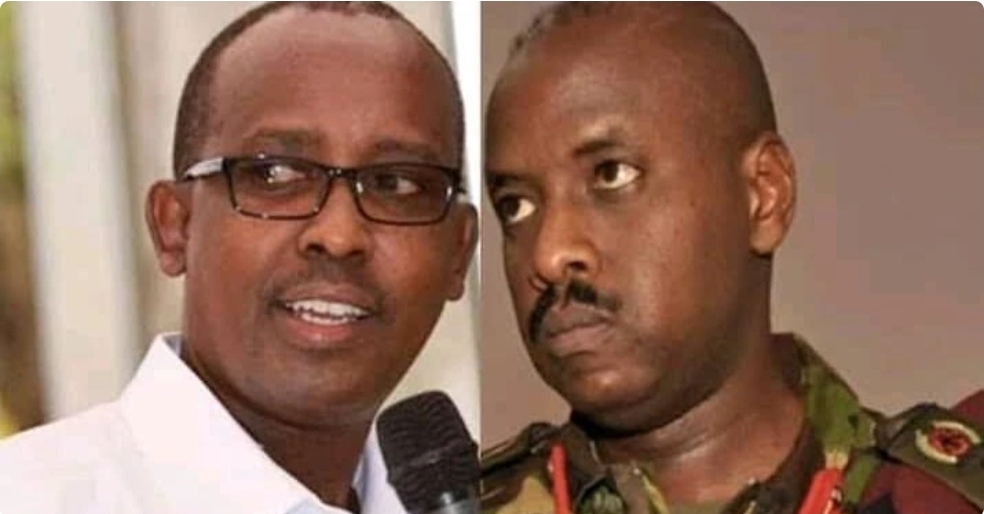 Rwabwogo Advised to ‘Eat His Bishop’ As MK Prepares to Enter State H’se: PREZ MUSEVENI ON HIS WAY OUT
Ultimate Uganda
Rwabwogo Advised to ‘Eat His Bishop’ As MK Prepares to Enter State H’se: PREZ MUSEVENI ON HIS WAY OUT
Ultimate Uganda
0 Comments