
Government confirms salary hike for arts teachers in next financial year
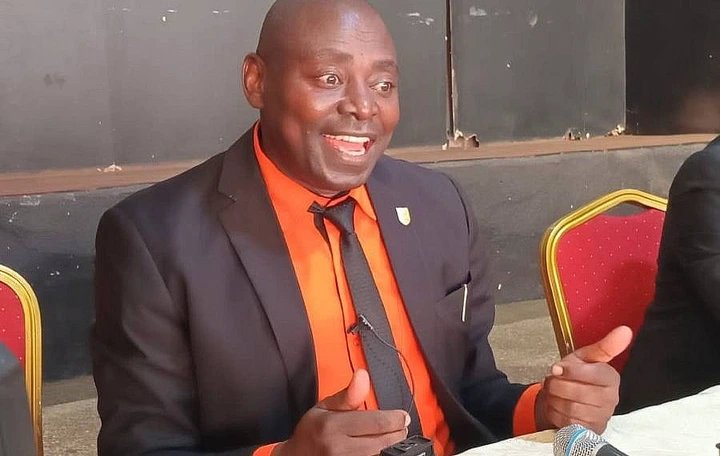

KAMPALA, Uganda — Secondary school arts teachers on the government payroll will receive a 25 percent salary increase starting in July, officials said this week.
The pay raise, which covers the 2026-2027 financial year, is part of a phased plan to address long-standing wage gaps between science and arts educators. State Minister for Sports Peter Ogwang announced the development during the conclusion of the Senior Five selection exercise at the Uganda Manufacturers Association showgrounds in Kampala.
Under the new pay structure, a secondary school arts teacher currently earning 1.3 million shillings will see their monthly salary rise to 1.6 million shillings. Head teachers in the arts departments will see their pay movefrom 2.3 million shillings to 2.8 million shillings, while deputy head teachers will earn 2.1 million shillings, up from 1.7 million shillings.
Despite the increase, a significant disparity remains. In 2022, the government increased salaries for science teachers to 4.2 million shillings, while science head teachers currently earn 6.5 million shillings.
Ogwang said the government remains committed to the promises made by President Yoweri Museveni to resolve these inequities. The president first pledged the 25 percent increment in June 2025 to end a nationwide strike by arts teachers. At the time, Museveni urged educators to return to classrooms while the government worked on welfare initiatives, including housing and tuition-free education for their children.
Filbert Baguma, secretary general of the Uganda National Teachers Union, welcomed the adjustment but noted that more work is required.
“Half a loaf of bread is better than nothing,†Baguma said. He urged the government to continue annual increments until the pay for arts and science teachers is equalized, allowing staff to focus on instruction rather than financial survival.
Separately, the Ministry of Education and Sports reported that 284,620 students have been placed in Senior Five for the 2026 intake. Frances Atima, who heads education standards at the ministry, said government-aided schools will absorb 120,340 students, while private institutions are expected to enroll 161,200.
Atima also criticized a growing trend among some private school administrators who prevent students from filling out Form X, a document necessary for the national selection process. She described the practice as unfair to students and their families.


 Government will not gazette Kijanangoma as King of Tooro for now - Attorney General insists
Ultimate Uganda
Government will not gazette Kijanangoma as King of Tooro for now - Attorney General insists
Ultimate Uganda
 King Oyo’s Body to Arrive Thursday
Ultimate Uganda
King Oyo’s Body to Arrive Thursday
Ultimate Uganda
 Besigye, Lukwago expected to meet Gen. Salim Saleh today at Kapeeke
Ultimate Uganda
Besigye, Lukwago expected to meet Gen. Salim Saleh today at Kapeeke
Ultimate Uganda
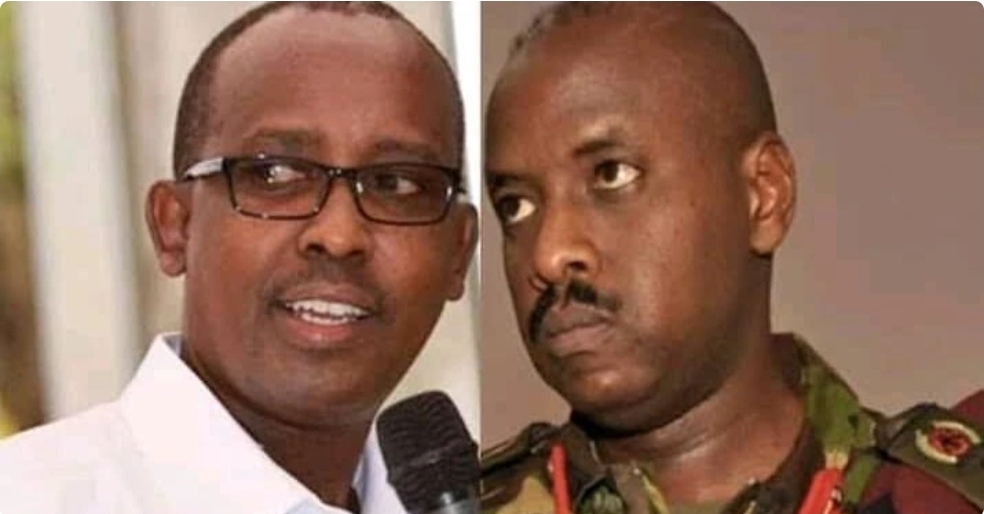 Rwabwogo Advised to ‘Eat His Bishop’ As MK Prepares to Enter State H’se: PREZ MUSEVENI ON HIS WAY OUT
Ultimate Uganda
Rwabwogo Advised to ‘Eat His Bishop’ As MK Prepares to Enter State H’se: PREZ MUSEVENI ON HIS WAY OUT
Ultimate Uganda
0 Comments