
Uganda hits critical drilling milestone as July 2026 ‘first oil’ deadline looms
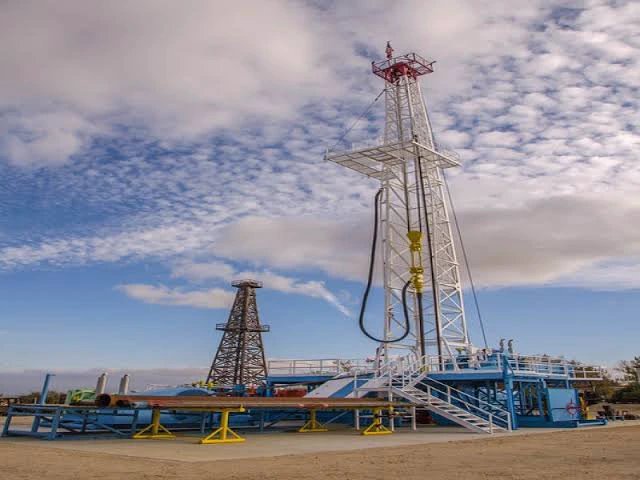

The Tilenga oil fields development project is located in the Lake Albert region of Uganda.
KAMPALA — Uganda’s Lake Albert development has passed a decisive technical threshold, with drilling at the Tilenga oil field now exceeding the minimum capacity required to trigger commercial production.
The Petroleum Authority of Uganda (PAU) confirmed this week that 187 wells have been completed at the TotalEnergies-operated site. The milestone surpasses the 170-well “First Oil†requirement, effectively de-risking the upstream portion of a project that has been haunted by a decade of delays, financing bottlenecks, and international environmental litigation.
However, the technical victory in the oil fields sits in contrast to the narrow window remaining for midstream infrastructure. With the government maintaining a firm July 2026 launch date, the project enters a high-pressure 16-month execution phase where synchronization between the fields and the export pipeline is the primary vulnerability.
Infrastructure Synchronization
While the drilling rigs are ahead of schedule, the “nerve center†of the operation—the Central Processing Facility (CPF) in Buliisa—is currently 63% complete. The facility must be fully operational to treat the 190,000 barrels of viscous crude expected at peak production before it can be pumped into the East African Crude Oil Pipeline (EACOP).
The status of the Lake Albert Development as of early 2026:
Project Component Completion Status Key Milestone
Tilenga (TotalEnergies) 63% 187 of 420 wells drilled
Kingfisher (CNOOC) 76% 21 of 31 wells drilled
EACOP Pipeline 80% 296km of pipe delivered; 200km welded
The Financing Pivot
The progress report comes as Uganda continues to navigate a complex financing landscape. After major Western lenders bowed to environmental pressure and withdrew support for the $5 billion EACOP, Kampala pivoted toward Chinese and Gulf-based capital to bridge the gap.
The downstream sector also remains in flux. While the PAU identified Dubai-based Alpha MBM Investments LLC as the lead developer for the $4 billion Hoima refinery, the project has yet to reach a Final Investment Decision (FID). This lag raises the stakes for the EACOP, which remains the only viable exit route for Ugandan crude in the immediate term.
A critical focus for the coming months is the Horizontal Directional Drilling (HDD) beneath the River Nile. Designed to mitigate the impact on the Murchison Falls ecosystem, the success of this underground crossing is essential to connecting the northern and southern well pads to the CPF.


 Starlink goes live in Uganda; price comparisons against MTN, Airtel
Ultimate Uganda
Starlink goes live in Uganda; price comparisons against MTN, Airtel
Ultimate Uganda
 NSSF sets September 24 for Annual Members Meeting as savers await interest rate declaration
Ultimate Uganda
NSSF sets September 24 for Annual Members Meeting as savers await interest rate declaration
Ultimate Uganda
 Boda boda riders launch e-commerce, digital loans platform
Ultimate Uganda
Boda boda riders launch e-commerce, digital loans platform
Ultimate Uganda
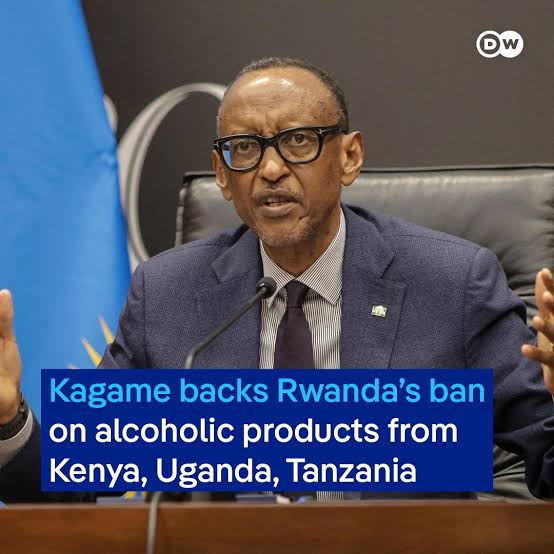 Rwanda: We Cannot Sit and Watch As Illicit Alcohol Kills People - Kagame
Ultimate Uganda
Rwanda: We Cannot Sit and Watch As Illicit Alcohol Kills People - Kagame
Ultimate Uganda
0 Comments