
Where Are The Roads?†MPs Clash With Works Ministry Over Stalled Projects
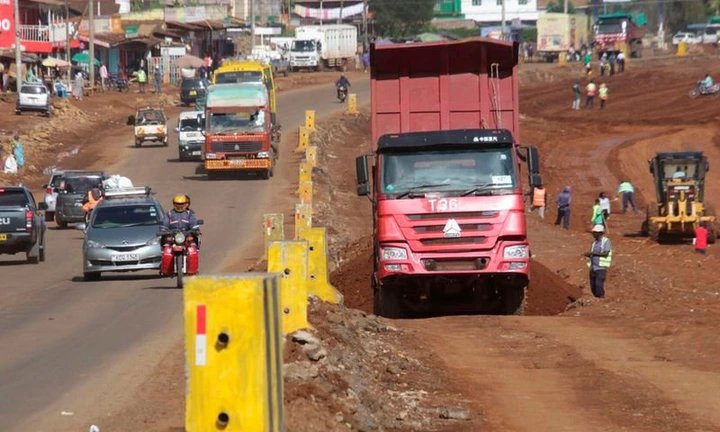

Members of Parliament have sharply questioned officials from Ministry of Works and Transport over long-delayed road projects and expensive framework contracts, some of which have remained incomplete for more than a decade despite billions of shillings spent.
The officials appeared before the Public Accounts Committee (PAC) to respond to concerns raised in the latest report from the Office of the Auditor General for the financial year ending June 2025.
Lawmakers expressed frustration over the slow pace of road construction and maintenance across the country, warning that Uganda’s road infrastructure continues to deteriorate even in areas expected to be well maintained.
“If the road leading to the Ministry of Works itself is in a sorry state, what should people upcountry expect?†one legislator asked during the tense hearing.
The committee, chaired by Gorreth Namugga, cited several projects that have stalled for years. Among them are the Nakauka Road, the Kyabakuza–Matete road network, and the proposed Kampala–Jinja Expressway, which has faced repeated delays since planning began more than a decade ago.
Legislators also raised concerns about the Kyabakuza–Matete–Sembabule–Mbirizi corridor, which became an important alternative route when sections of the Katonga Bridge were disrupted by flooding and structural damage in recent years.
“There is a road called Kyabakuza–Matete and Sembabule–Mbirizi. It became very useful when Katonga had problems, but after that we were simply left on our own,†one MP said, describing the situation as evidence of neglect of community roads.
Responding to the concerns, the Permanent Secretary in the Works Ministry, Waiswa Bageya, attributed the delays to funding constraints and operational challenges affecting several projects.
According to Bageya, some contractors slowed down or abandoned works because payments had not been fully released.
“We have a challenge that our road fund has not yet transitioned into a second-generation fund,†he told the committee, adding that Parliament’s support would be needed to strengthen the funding structure.
Uganda’s Uganda Road Fund, established under the Uganda Road Fund Act 2008, finances road maintenance across the country. Policymakers have long debated reforms to transform it into a more autonomous “second-generation road fund†capable of securing more predictable financing.
However, lawmakers were unconvinced by the explanation.
Patrick Nsamba, MP for Kassanda North, questioned why road construction costs in Uganda appear significantly higher than in neighbouring countries.
“Why are we offering very expensive contracts when similar road works in neighbouring countries are done at much lower costs?†Nsamba asked.
He urged the ministry to provide clear unit cost estimates for road construction, saying transparency would help Parliament determine whether taxpayers are receiving value for money.
Ministry officials said a national study to update road construction unit costs had stalled during the COVID-19 pandemic but is now undergoing validation.
Officials also told MPs that the government has largely completed major road projects supporting the oil and gas sector and is now shifting focus toward tourism infrastructure.
“Besides oil roads, we are now prioritising tourism roads. Tourism is our cash cow, and we need to promote it,†ministry representatives said.
In recent years, the government invested heavily in road networks in the Albertine region to support oil development around Lake Albert in preparation for crude production linked to the East African Crude Oil Pipeline.
However, some legislators criticised the approach, arguing that prioritising strategic projects risks neglecting rural community roads that sustain agriculture and local economies.
“These roads have served this country for decades,†Namugga said. “Coffee has supported this economy for a long time. Have you even started receiving any barrel of oil? Where is the oil?â€
Coffee remains Uganda’s leading agricultural export, earning the country more than $1 billion annually, according to the Uganda Coffee Development Authority.
Meanwhile, the Auditor General’s report also flagged gaps in urban infrastructure management.
It noted that Kampala still lacks a comprehensive waste management strategy, a factor contributing to frequent flooding during heavy rains.
Poor drainage, uncollected waste, and unplanned urban development have repeatedly caused flooding in low-lying areas, disrupting businesses and damaging property.
Officials said the government plans to address some of these challenges through projects under the Greater Kampala Metropolitan Area Urban Development Program, supported by the World Bank.
According to the ministry, procurement processes for several interventions are nearing completion, and construction could begin by mid-2026.
“We are finalising the procurement process and expect to have a contractor on site by July,†ministry representatives said, adding that congestion-prone sections such as the Maraba–Tororo corridor are already undergoing design review.
The PAC inquiry reflects mounting parliamentary pressure on government agencies to deliver infrastructure projects on time and within budget.
Under the Public Finance Management Act 2015, accounting officers are required to ensure public funds are used efficiently and that government projects deliver value for money.
With several road projects stalled for years, lawmakers say stricter oversight will be necessary to ensure that taxpayers’ money translates into tangible infrastructure improvements across the country.


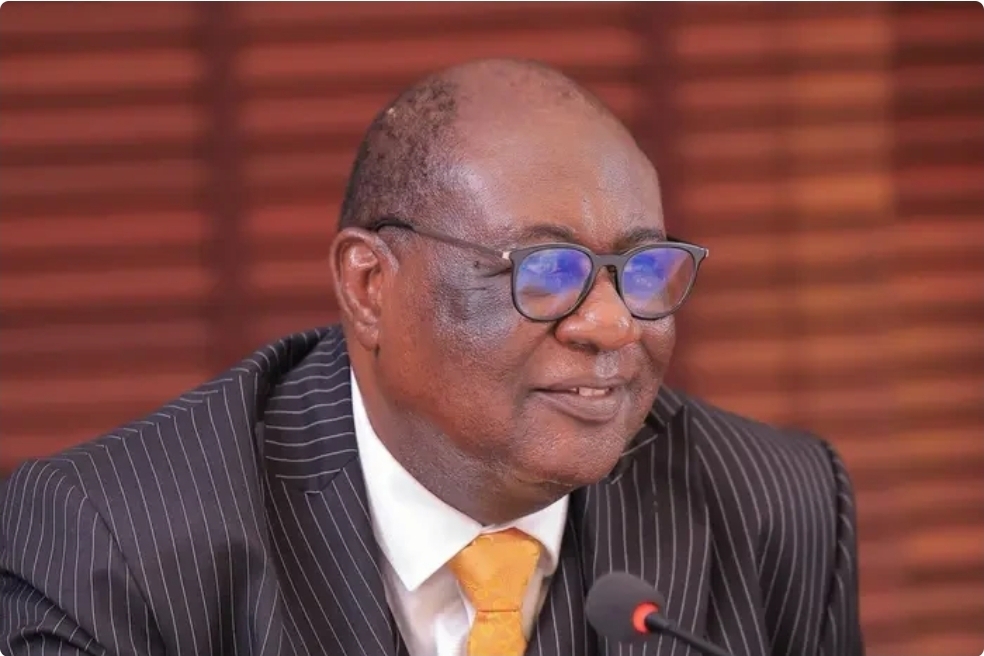 Government will not gazette Kijanangoma as King of Tooro for now - Attorney General insists
Ultimate Uganda
Government will not gazette Kijanangoma as King of Tooro for now - Attorney General insists
Ultimate Uganda
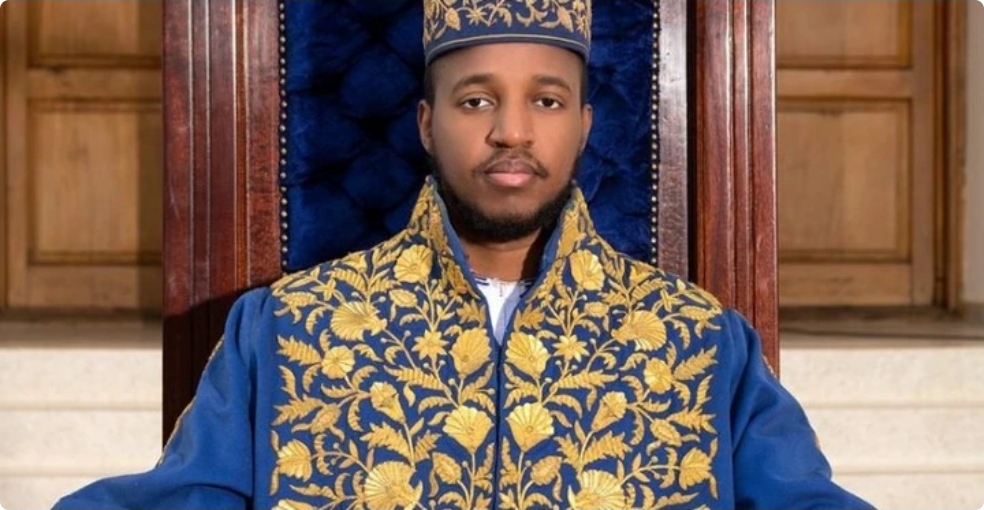 King Oyo’s Body to Arrive Thursday
Ultimate Uganda
King Oyo’s Body to Arrive Thursday
Ultimate Uganda
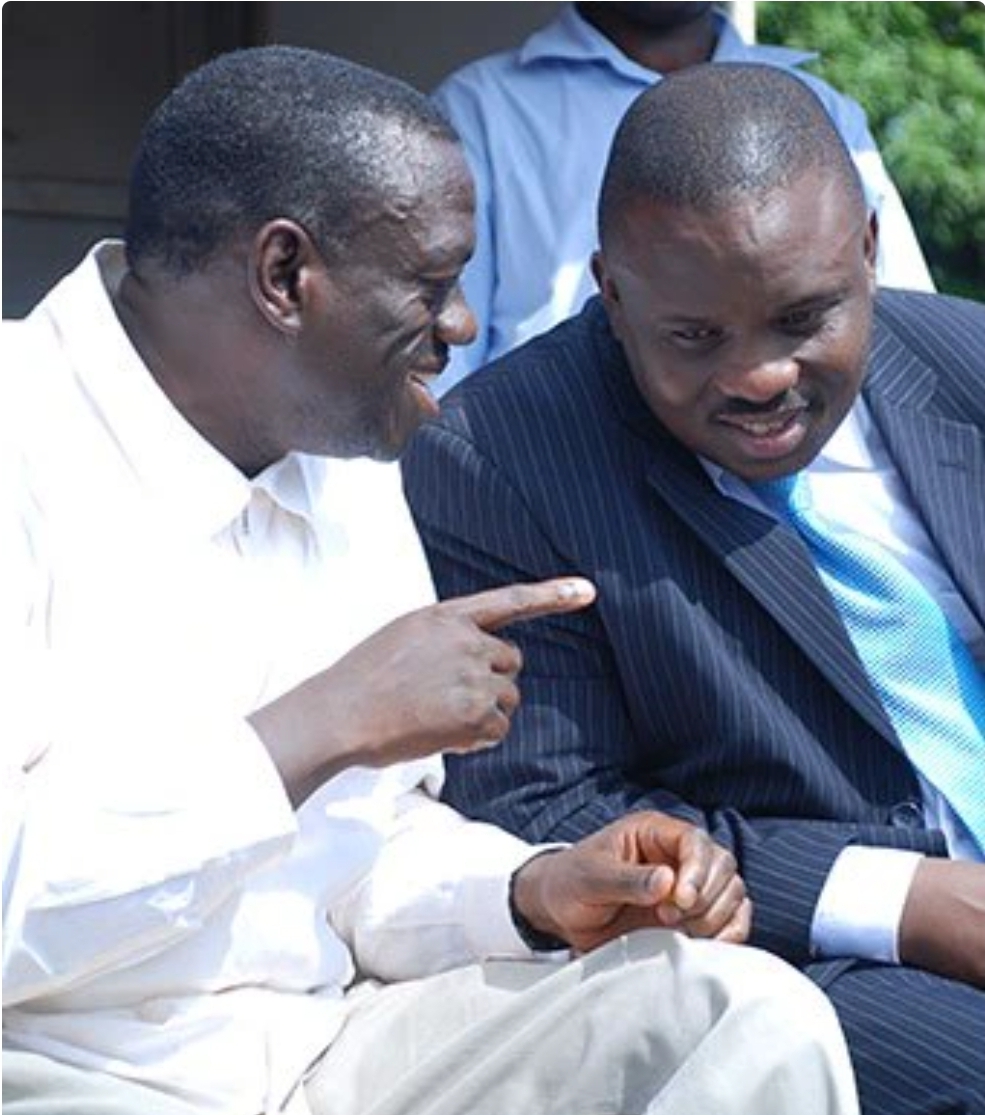 Besigye, Lukwago expected to meet Gen. Salim Saleh today at Kapeeke
Ultimate Uganda
Besigye, Lukwago expected to meet Gen. Salim Saleh today at Kapeeke
Ultimate Uganda
 Rwabwogo Advised to ‘Eat His Bishop’ As MK Prepares to Enter State H’se: PREZ MUSEVENI ON HIS WAY OUT
Ultimate Uganda
Rwabwogo Advised to ‘Eat His Bishop’ As MK Prepares to Enter State H’se: PREZ MUSEVENI ON HIS WAY OUT
Ultimate Uganda
0 Comments