
UPC’s Jimmy Akena Rejects Lumu’s Administration of Parliament Amendment Bill
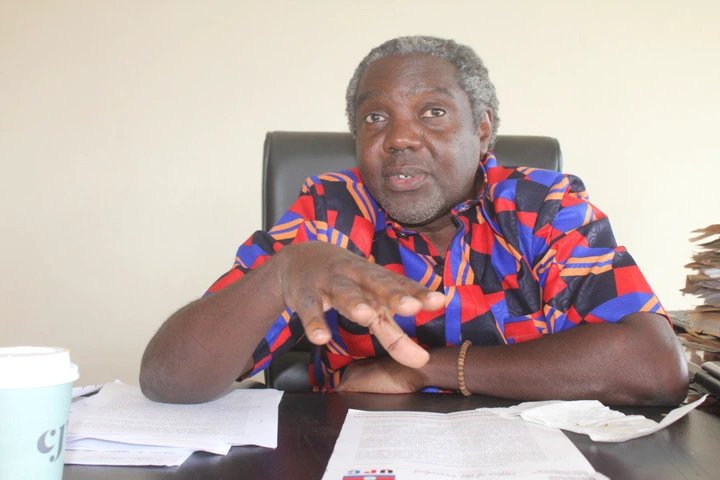

Jimmy Akena Obote, President of the Uganda People’s Congress (UPC), has firmly rejected the controversial Administration of Parliament (Amendment) Bill, 2024, describing it as unnecessary and unhelpful to Uganda’s parliamentary system.
In an interview on Next Radio’s Next Big Talk program on March 11, 2026, Akena argued that existing rules clearly define the Leader of Opposition in Parliament (LoP) as the representative of the party with the second-highest number of MPs.
He emphasized that the position is tied to electoral performance and policy presentation, not open to reinterpretation or amendment without strong justification.
“I think Ugandans are running around with the definition of Leader of Opposition. According to the rules and administration of Parliament, the Leader of Opposition is the one who leads the party with the second highest number of MPs,†Akena stated.
He further explained: “What you are dealing with is a policy question, and the party which came second should be presenting its policy alternatives. That’s where the debate should be.â€
Akena acknowledged UPC’s own electoral shortcomings but maintained that leadership should reflect the party’s numerical strength in Parliament.
“Personally, I believe the UPC policies which we failed to present during the recently concluded elections were the best, but I cannot say that UPC should lead the Opposition. The party which came second is the one to give us the alternative. Let’s not try to bend the rules on grounds that do not exist.â€
He concluded by rejecting the bill outright: “The Lumu bill does not help in any way, and that’s why as the UPC we have rejected it.â€
The private member’s bill, introduced by Mityana County South MP Richard Lumu, proposes shifting from the current system—where the largest opposition party automatically appoints the LoP—to an elective model where all opposition MPs (including those from smaller parties and independents) vote to select the Leader of Opposition.
Proponents argue it would promote inclusivity, fairness in resource allocation, and greater harmony among opposition groups.
However, opposition parties—including NUP, FDC, and ANT—have widely condemned the proposal as drafted in bad faith, warning it could fracture unity, weaken coordinated opposition strategy, and indirectly allow the ruling NRM to influence opposition leadership.
The bill’s rapid progression has drawn scrutiny, with critics noting its unusually fast track compared to other stalled parliamentary reforms.
It is scheduled for its third and final reading on Thursday, March 12, 2026, amid heated debate in the lead-up to the 12th Parliament’s convening.
The NRM Caucus has defended the bill, with spokesperson Brandon Kintu describing it as a means to build opposition cohesion and simplify the LoP’s responsibilities.
The controversy highlights tensions over opposition structure, multi-party democracy, and parliamentary power dynamics following the 2026 general elections, where NUP emerged as the largest opposition bloc.


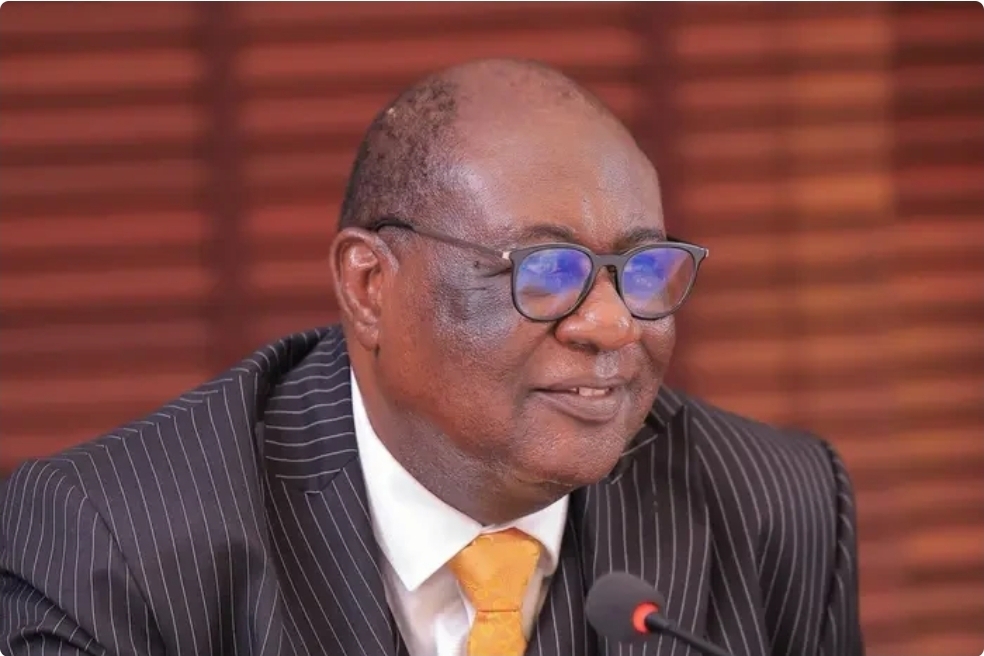 Government will not gazette Kijanangoma as King of Tooro for now - Attorney General insists
Ultimate Uganda
Government will not gazette Kijanangoma as King of Tooro for now - Attorney General insists
Ultimate Uganda
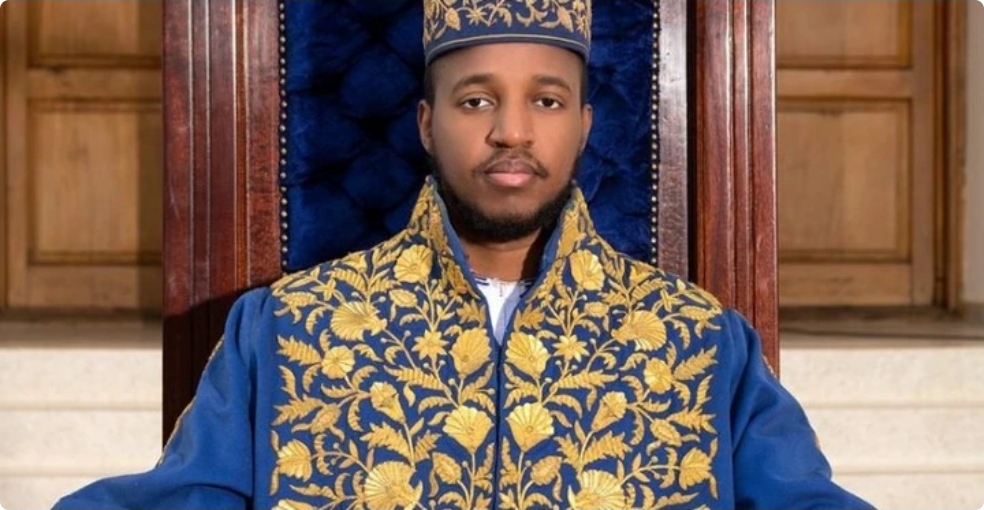 King Oyo’s Body to Arrive Thursday
Ultimate Uganda
King Oyo’s Body to Arrive Thursday
Ultimate Uganda
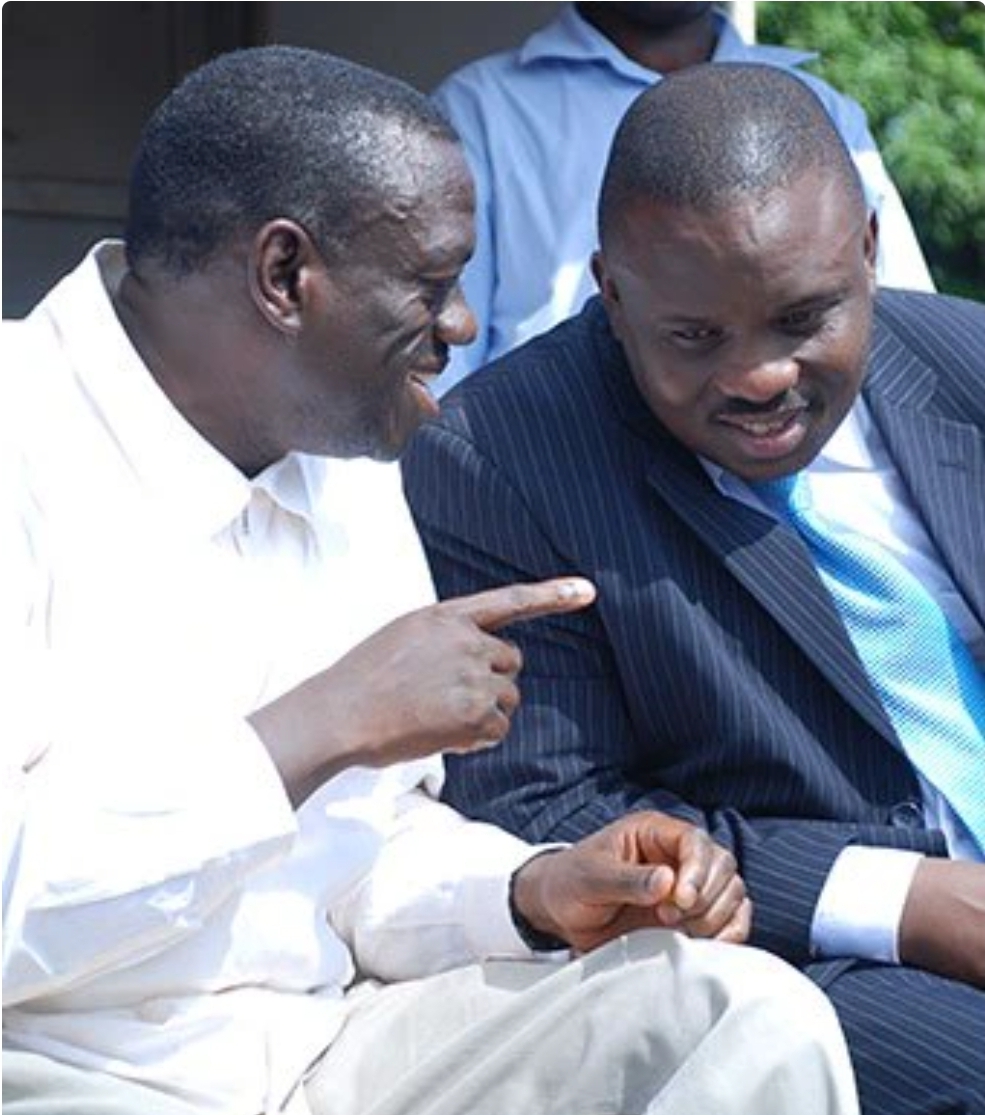 Besigye, Lukwago expected to meet Gen. Salim Saleh today at Kapeeke
Ultimate Uganda
Besigye, Lukwago expected to meet Gen. Salim Saleh today at Kapeeke
Ultimate Uganda
 Rwabwogo Advised to ‘Eat His Bishop’ As MK Prepares to Enter State H’se: PREZ MUSEVENI ON HIS WAY OUT
Ultimate Uganda
Rwabwogo Advised to ‘Eat His Bishop’ As MK Prepares to Enter State H’se: PREZ MUSEVENI ON HIS WAY OUT
Ultimate Uganda
0 Comments