
Expert shows why Bobi Wine fleeing to exile improves his chances at presidency
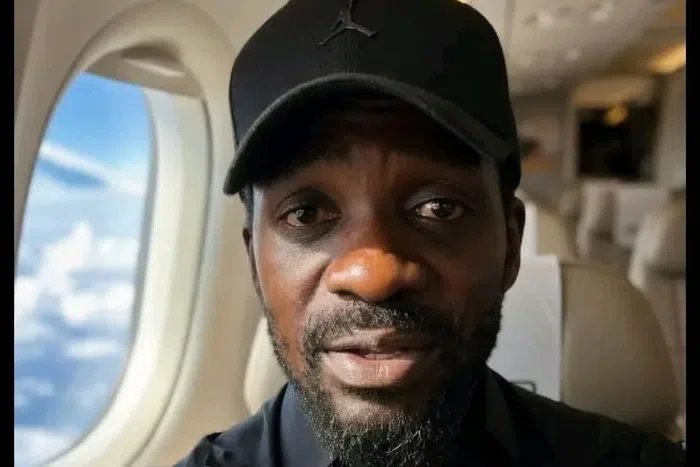

The senior columnist argues that exile has historically played an important role in the political journeys of many Ugandan leaders, making Bobi Wine’s departure less of a retreat and more of a potential turning point.
Uganda opposition leader Robert Kyagulanyi (Bobi Wine)’s decision to leave Uganda has drawn mixed reactions, with some critics chastising him for “abandoning the struggleâ€
Other commentators however, believe the move could prove more productive in the NUP leader's quest for the country's highest office.
Kenyan-based Ugandan political analyst Charles Onyango-Obbo says Wine’s decision to leave Uganda could paradoxically strengthen his long-term chances of becoming president.
Onyango-Obbo argues that exile has historically played an important role in the political journeys of many Ugandan leaders, making Bobi Wine’s departure less of a retreat and more of a potential turning point.
Bobi Wine, confirmed last weekend that he had left Uganda to join his family abroad for what he described as “critical engagements†abroad and for their own safety.
In a video message released shortly before his departure, the National Unity Platform leader said he would continue pushing for democratic reforms and would “return at the right timeâ€.
Could Fleeing Uganda Fast-Track Bobi Wine’s Path to Power?
Wine’s departure marks the first time in roughly 25 years that a major Ugandan presidential challenger has fled the country after an election dispute.
Onyango-Obbo pointed out that Bobi Wine now follows a path taken by several influential Ugandan political figures.
Former opposition leader Kizza Besigye fled into exile for about five years after challenging Museveni in the 2001 election.
Despite that period abroad, he remained one of the country’s most influential opposition voices for two decades.He further noted that President Museveni himself also spent time outside Uganda after the disputed December 1980 election.
In February 1981, he launched a guerrilla war that eventually brought him to power in 1986.
Looking further back, many Ugandan leaders since Idi Amin’s takeover in 1971 have spent time in exile before assuming power.
“History suggests this period of exile may be a prerequisite for leadership. Since Idi Amin took power in 1971, every Ugandan head of state -whether junta leader, civilian, or strongman -has spent time in exile,†He wrote.
“Who knows, it might turn out that for Bobi Wine, this "baptism" abroad may not be a retreat, but the historical rite of passage required to one day claim the presidency.â€
Why Exile Could Benefit Wine Politically
According to Onyango-Obbo, exile may actually strengthen Bobi Wine’s political profile.
From abroad, he could mobilise international support, engage the Ugandan diaspora and increase pressure on the government through global advocacy.
Such visibility may help sustain momentum for his political movement even while he remains outside the country.
Ironically, Onyango-Obbo argues that the government may have benefited more from keeping Wine inside Uganda as a free but closely watched opposition figure.
Instead, his exile could elevate him into a symbol of resistance, reinforcing the narrative that he represents a generational challenge to Museveni’s nearly four-decade rule.


 Government will not gazette Kijanangoma as King of Tooro for now - Attorney General insists
Ultimate Uganda
Government will not gazette Kijanangoma as King of Tooro for now - Attorney General insists
Ultimate Uganda
 King Oyo’s Body to Arrive Thursday
Ultimate Uganda
King Oyo’s Body to Arrive Thursday
Ultimate Uganda
 Besigye, Lukwago expected to meet Gen. Salim Saleh today at Kapeeke
Ultimate Uganda
Besigye, Lukwago expected to meet Gen. Salim Saleh today at Kapeeke
Ultimate Uganda
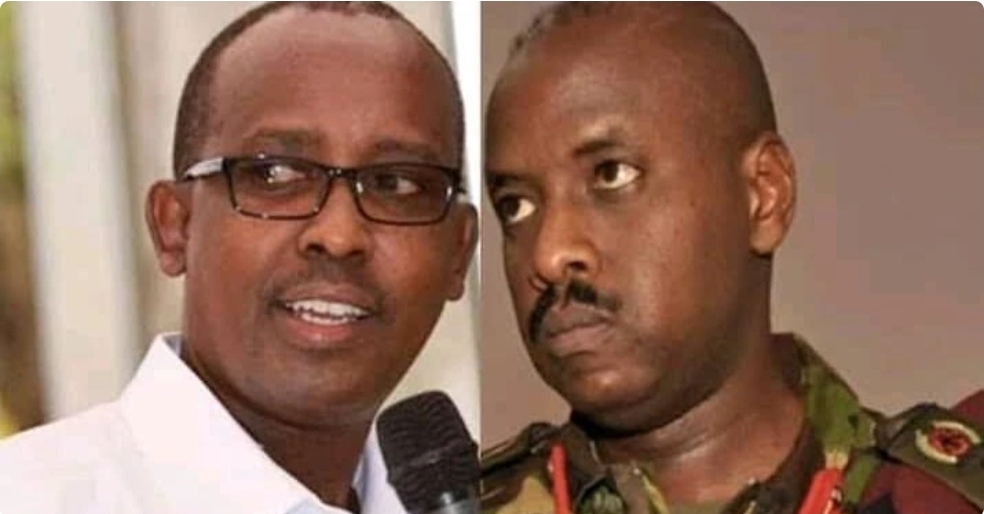 Rwabwogo Advised to ‘Eat His Bishop’ As MK Prepares to Enter State H’se: PREZ MUSEVENI ON HIS WAY OUT
Ultimate Uganda
Rwabwogo Advised to ‘Eat His Bishop’ As MK Prepares to Enter State H’se: PREZ MUSEVENI ON HIS WAY OUT
Ultimate Uganda
0 Comments