
DPP, Judiciary Trade Blame Over Stalled Court Martial Files One Year After Landmark Judgement
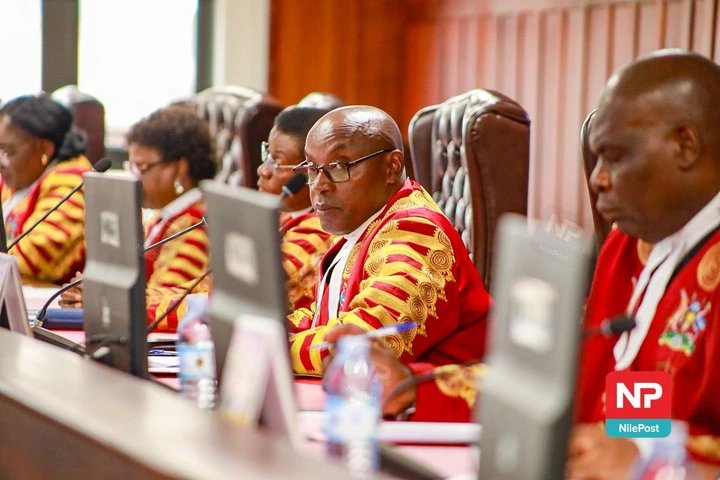

More than a year after the Supreme Court barred trials of civilians in Uganda’s military courts, hundreds of cases remain unresolved as the Judiciary and DPP trade blame over stalled transfers.
A year after the Supreme Court of Uganda ruled that civilians cannot be tried in military courts, hundreds of cases remain in legal limbo, exposing systemic gaps and triggering a sharp institutional blame game.
The January 31, 2025, ruling declared the trial of civilians in the General Court Martial unconstitutional and directed that all affected cases be transferred to civilian courts.
At the time, the decision was hailed as a landmark victory for human rights and constitutional protections.
However, the promise of swift justice has largely gone unfulfilled. Dozens of detainees remain in custody under the military justice system, with no fresh charges filed in civilian courts.
The Office of the Director of Public Prosecutions (DPP) has repeatedly stressed that it lacks the mandate to unilaterally take over files from military courts.
Director Lino Anguzu told reporters, “Even though the Supreme Court made that pronouncement, there was no clear guidance on how this is going to be achieved. The DPP cannot just write to the court martial and say ‘pass over these matters.’ There is no law or constitutional provision granting such powers.â€
Anguzu confirmed that only about 40 case files have so far been transmitted to his office, with ongoing reviews complicated by evidentiary challenges.
“Some of them, of course, we are struggling with the evidence. At the conclusion of investigations, we shall decide whether to prosecute or not,†he added.
The Judiciary, meanwhile, maintains that it has fulfilled its role and is now awaiting action from the DPP.
Judiciary spokesperson Ereemye Mawanda said, “The court asked the DPP to review all files and advise on whether to proceed with prosecution or drop them. As for us, we are waiting on the prosecution. Cases already before civilian courts are moving smoothly.â€
Legal practitioners have criticized both institutions for failing to resolve the impasse. City lawyer Jude Musisi described the situation as politically charged, questioning why some files have been processed while others languish.
“They are playing politics,†Musisi said. “Why they process some files and not others is unclear.â€
Another lawyer, Jude Byamukama, warned that the lack of coordination risks undermining public confidence in the justice system.
“There has to be a solution. The leadership of the Judiciary, including the Principal Judge and Chief Registrar, must provide clear guidance to both the military prosecution and the DPP,†he said.
Adding complexity, the UPDF Amendment Act 2025 reintroduced provisions allowing military courts to handle cases under exceptional circumstances.
While the government argues the amendments improve transparency and independence within military courts, critics contend they contradict the Supreme Court ruling and risk expanding military jurisdiction over civilians.
For detainees caught in this legal limbo, the consequences are severe. Many remain incarcerated without clear legal status, as military courts no longer have jurisdiction but civilian courts have not yet assumed responsibility.
Legal experts warn that urgent intervention is required, either through legislative clarification, administrative coordination, or clear directives from the Judiciary and DPP, to prevent further erosion of public trust in Uganda’s justice system.


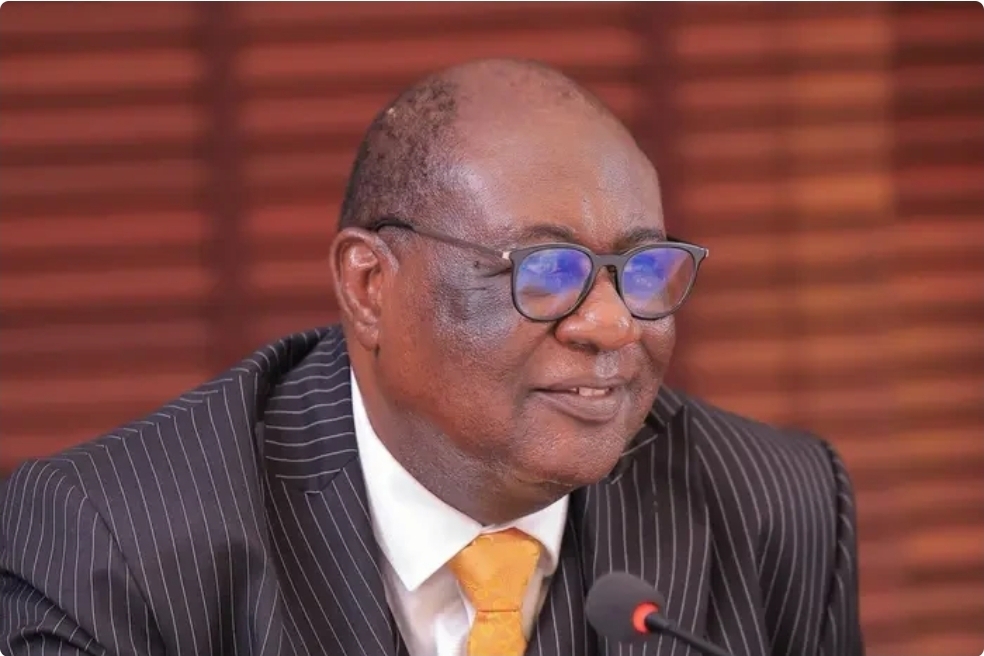 Government will not gazette Kijanangoma as King of Tooro for now - Attorney General insists
Ultimate Uganda
Government will not gazette Kijanangoma as King of Tooro for now - Attorney General insists
Ultimate Uganda
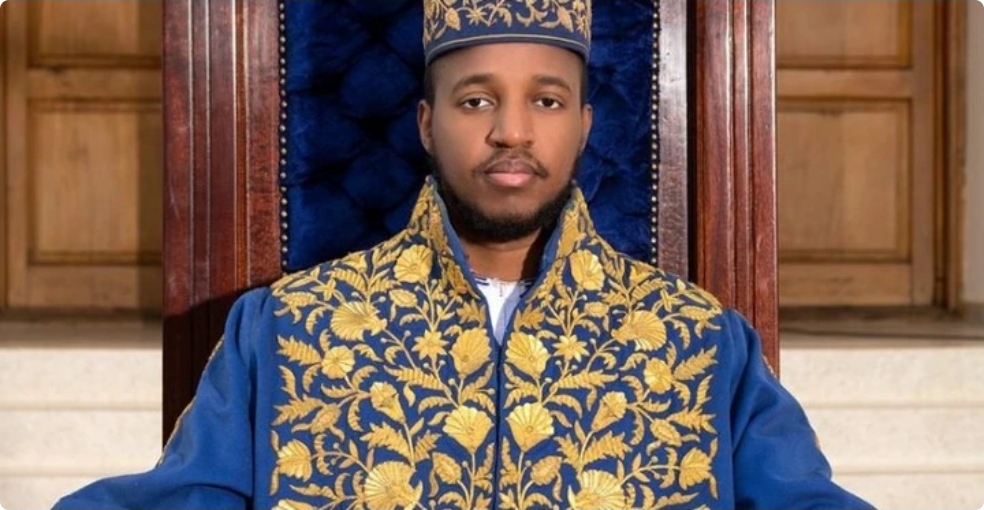 King Oyo’s Body to Arrive Thursday
Ultimate Uganda
King Oyo’s Body to Arrive Thursday
Ultimate Uganda
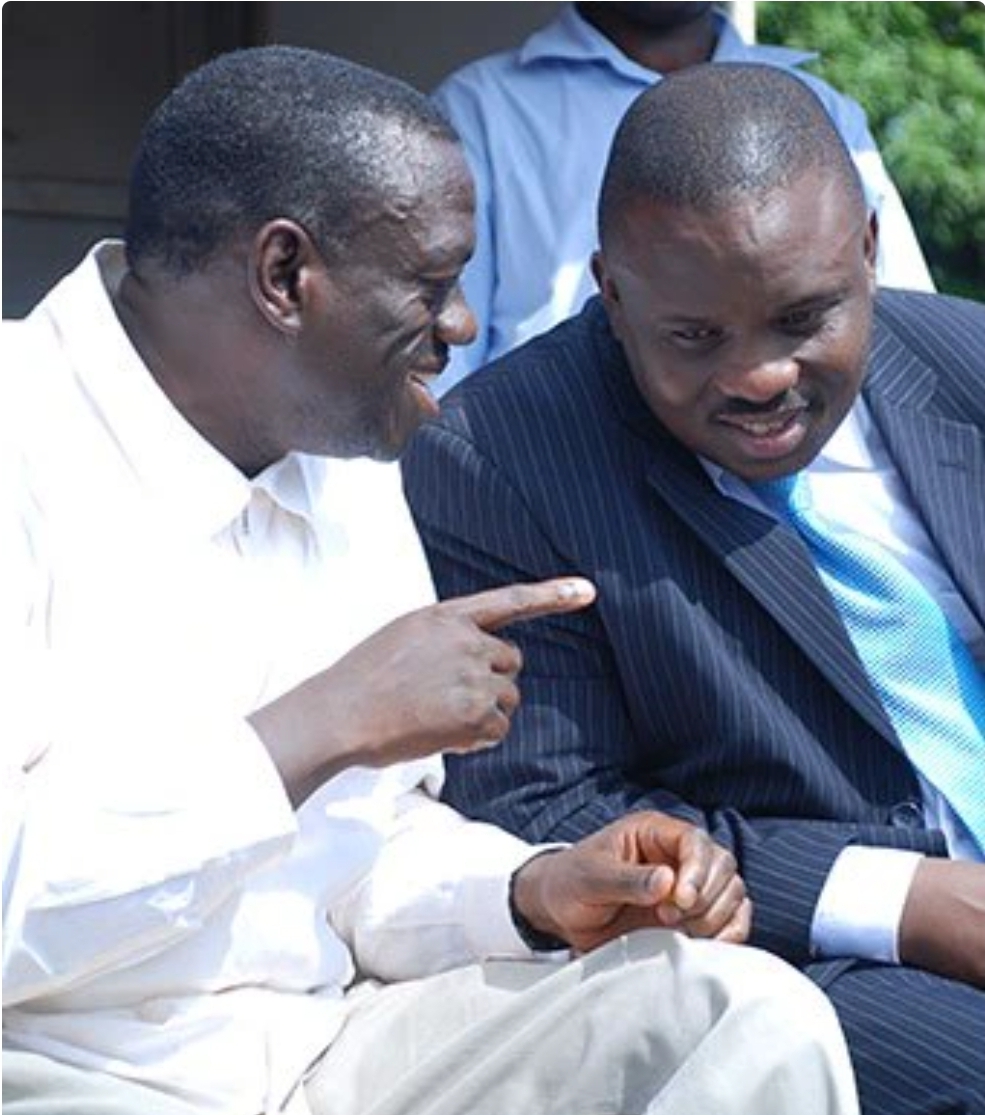 Besigye, Lukwago expected to meet Gen. Salim Saleh today at Kapeeke
Ultimate Uganda
Besigye, Lukwago expected to meet Gen. Salim Saleh today at Kapeeke
Ultimate Uganda
 Rwabwogo Advised to ‘Eat His Bishop’ As MK Prepares to Enter State H’se: PREZ MUSEVENI ON HIS WAY OUT
Ultimate Uganda
Rwabwogo Advised to ‘Eat His Bishop’ As MK Prepares to Enter State H’se: PREZ MUSEVENI ON HIS WAY OUT
Ultimate Uganda
0 Comments