
Using Artistes’ Work Without Paying Royalties Should Be Made A Risky Business, Says Odonga Otto
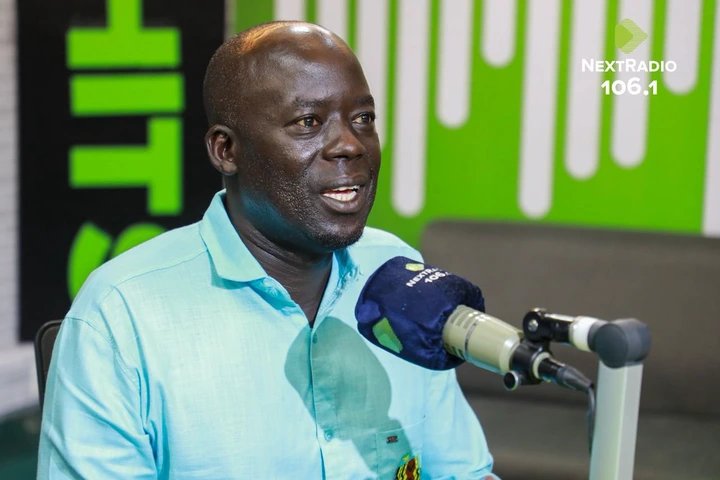

This bill is a game-changer for our creative industry. It will provide stronger protection for creators, streamline the sector and introduce tougher penalties for piracy and copyright infringement
Former Aruu County Member of Parliament, Odonga Otto has argued that patriotism is not about displays of force in Kyankwanzi, but about ensuring artists like Toniks and all creators receive what they are due.
Speaking to Canary Mugume during Next Big Talk hosted by Next Radio on Saturday, Otto emphasized the importance of safeguarding creators’ rights.
“Using artistes' work without paying royalties should be made a really risky business,†he said.
Otto was speaking in the context of the recently introduced Copyright and Neighbouring Rights (Amendment) Bill 2025, which the government unveiled in recent days.
The bill, presented by Minister for Justice and Constitutional Affairs, Norbert Mao, is expected to transform Uganda’s creative sector by modernizing the country’s copyright framework and aligning it with international standards.
Describing the bill as a major breakthrough, the Laroo-Pece MP-elect said it would provide stronger protection for creators, streamline the sector, and introduce tougher penalties for piracy and copyright infringement.
“This bill is a game-changer for our creative industry. It will provide stronger protection for creators, streamline the sector and introduce tougher penalties for piracy and copyright infringement,†he said.
The proposed legislation aims to tackle long-standing challenges in Uganda’s creative community, particularly the widespread unauthorized use and distribution of artistic works.
The reforms are designed to improve how artists earn from their content, especially in the digital era where music and other creative works are increasingly distributed through telecommunications platforms.
One key provision in the bill is a new revenue-sharing model for caller ringback tones, a popular service where callers hear music instead of the standard ringing tone.
Under the proposed model, authors and performers will receive 60 percent of the revenue generated, telecommunications companies will take 31 percent, and aggregators will receive 8.5 percent.
The Uganda Registration Services Bureau (URSB), which oversees intellectual property rights in the country, has welcomed the proposed reforms.
URSB officials say the bill could significantly strengthen Uganda’s creative economy by providing creators with stronger legal protection and improved opportunities to monetize their work.
They also believe the updated copyright framework will help curb piracy, which has long undermined earnings in Uganda’s entertainment sector.
Industry observers note that the bill reflects growing government recognition of the economic potential of the creative industry, which contributes to employment, cultural expression, and innovation.
If enacted, the Copyright and Neighbouring Rights (Amendment) Bill 2025 is expected to create a more structured and transparent system for managing intellectual property rights while encouraging investment in Uganda’s cultural and creative sectors.
Artists and stakeholders have long called for stronger legal protections to ensure they receive fair compensation, particularly as digital platforms continue to reshape how creative content is produced, distributed, and consumed.


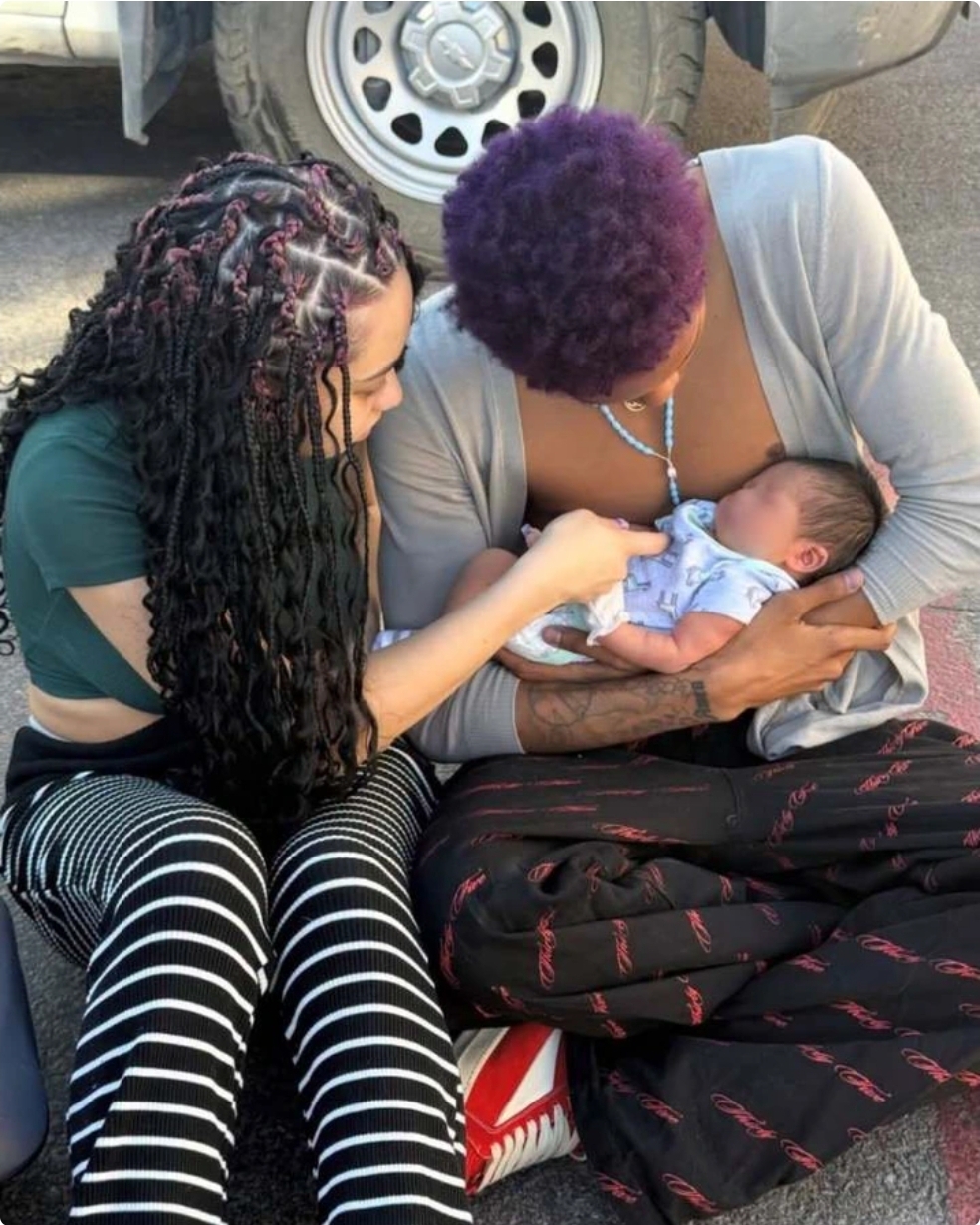 Jose Chameleone becomes a grandfather
Ultimate Uganda
Jose Chameleone becomes a grandfather
Ultimate Uganda
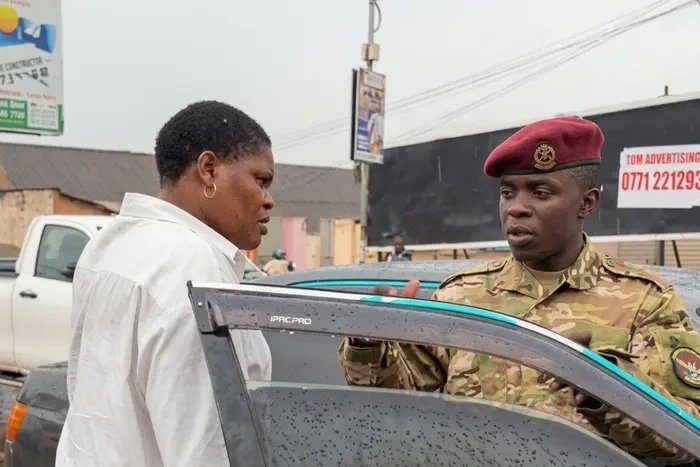 Uncle Chumi speaks out on exchange with SFC soldier amid growing backlash
Ultimate Uganda
Uncle Chumi speaks out on exchange with SFC soldier amid growing backlash
Ultimate Uganda
 I don't want to be a mother, I just want to enjoy my life - Christine Nampeera
Ultimate Uganda
I don't want to be a mother, I just want to enjoy my life - Christine Nampeera
Ultimate Uganda
 Frank Gashumba criticizes celebrities for wearing second-hand clothes and using charcoal stoves
Ultimate Uganda
Frank Gashumba criticizes celebrities for wearing second-hand clothes and using charcoal stoves
Ultimate Uganda
0 Comments