
Dialogue Must Be Citizen-Led, Not Politician-Driven, Says Journalist Nelly Kapo
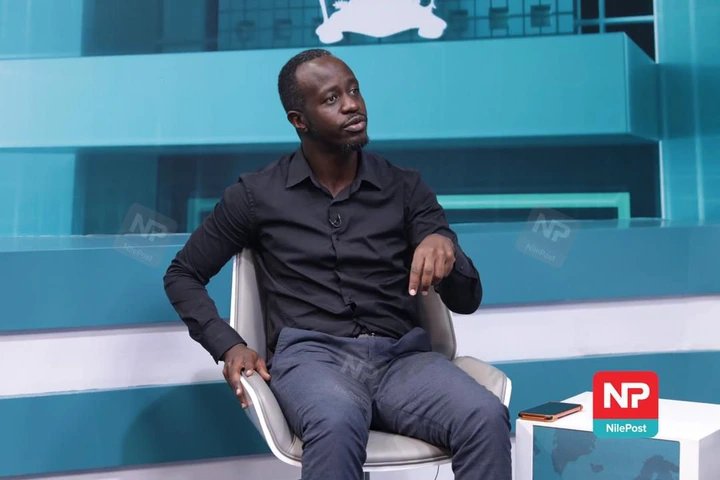

Journalist Nelson Bwire, popularly known as Nelly Kapo, has called for a shift in how national dialogue is approached in Uganda, urging citizens to take a more central role in shaping the country’s future.
Speaking during the NBS Media Roundtable on Friday, Bwire expressed skepticism about the intentions of political actors in ongoing and proposed dialogue processes.
“From every perspective, no one comes to dialogue with the view of taking the country somewhere. Up there, people already know what their interests are. Politicians go to dialogue with their own interests and not those of Ugandans,†he said.
Bwire emphasized that Uganda has reached a critical point where dialogue is necessary, but cautioned that meaningful outcomes will only be achieved if the process is citizen-driven rather than politically dominated.
“We need to dialogue as citizens and not the politicians,†he said, highlighting what he described as the need for ordinary Ugandans to be more involved in shaping national decisions.
His remarks come at a time when Uganda is navigating the aftermath of recent general elections, with tensions still evident across the political landscape.
Calls for national dialogue have grown louder, particularly from opposition leaders who continue to challenge the credibility of the electoral process, citing alleged irregularities and calling for electoral reforms, accountability, and stronger guarantees for political freedoms.
The absence of former presidential candidate Robert Kyagulanyi Ssentamu, widely known as Bobi Wine, has further fueled political debate.
Kyagulanyi has been abroad on international engagements and has not returned home since shortly after the polls, raising questions among supporters and political observers.
Meanwhile, government officials have maintained that the political environment remains stable and have rejected claims that the opposition, particularly the National Unity Platform, is under systematic pressure.
Authorities argue that national stability and development must take precedence, even as critics question whether these assurances reflect the realities experienced by opposition supporters.
Religious leaders and elder statespersons have also called for dialogue, urging political actors to prioritize national interests over partisan agendas, although progress toward formal talks has remained limited.
As the country awaits clearer signals from key political actors, analysts say successful dialogue would require trust-building measures, political will, and a willingness by all sides to make compromises in the national interest.
For now, national dialogue remains both a hopeful possibility and an uncertain path forward.


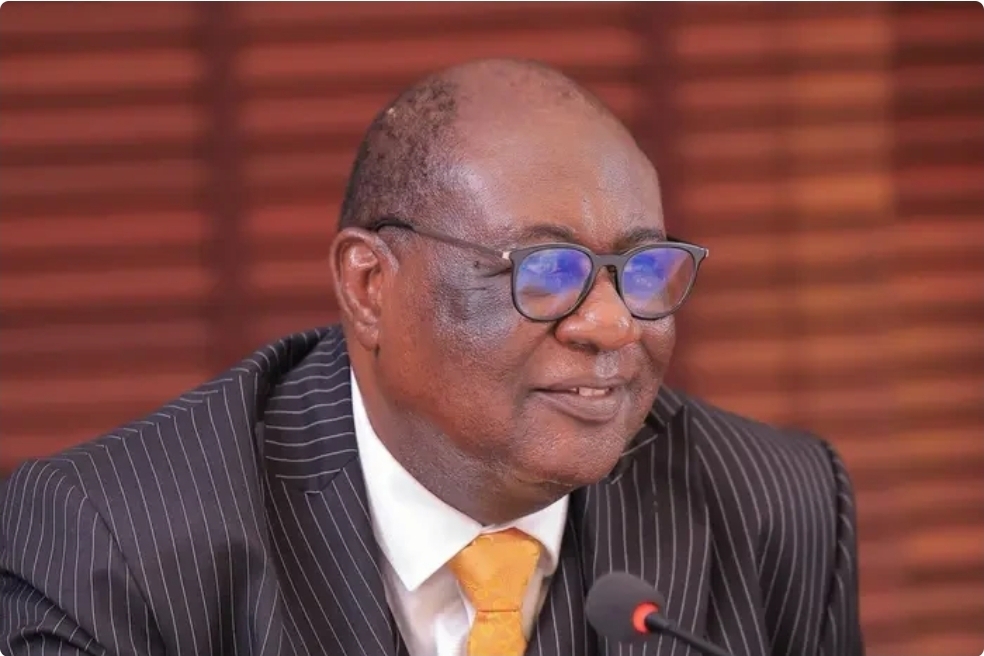 Government will not gazette Kijanangoma as King of Tooro for now - Attorney General insists
Ultimate Uganda
Government will not gazette Kijanangoma as King of Tooro for now - Attorney General insists
Ultimate Uganda
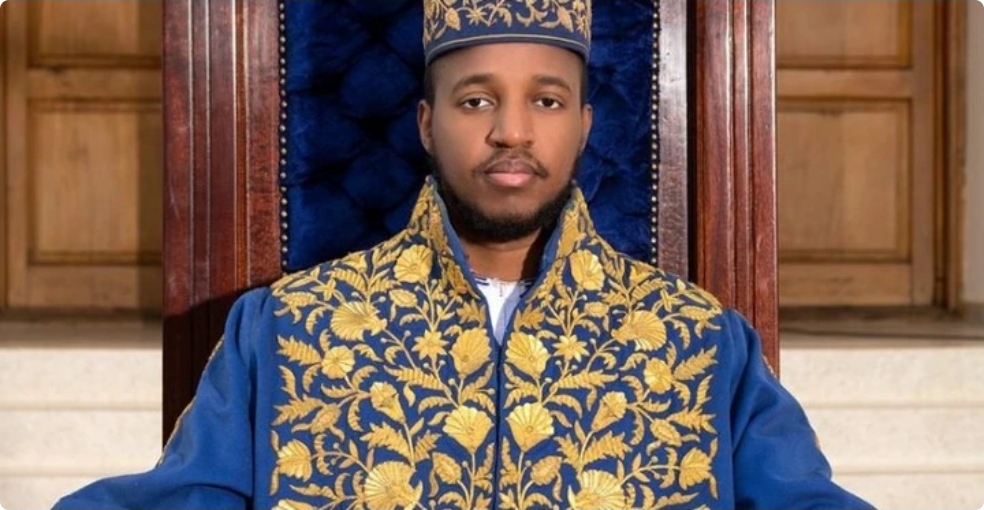 King Oyo’s Body to Arrive Thursday
Ultimate Uganda
King Oyo’s Body to Arrive Thursday
Ultimate Uganda
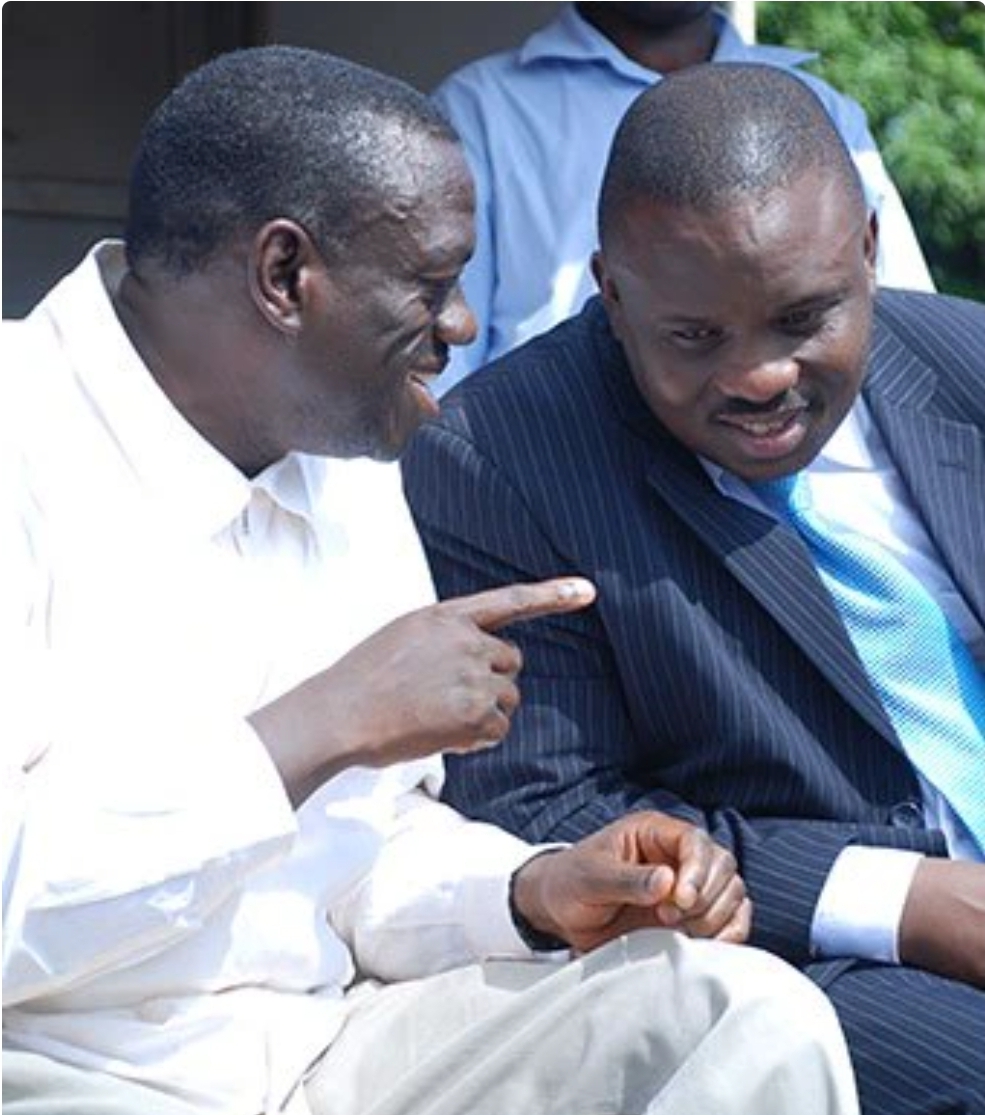 Besigye, Lukwago expected to meet Gen. Salim Saleh today at Kapeeke
Ultimate Uganda
Besigye, Lukwago expected to meet Gen. Salim Saleh today at Kapeeke
Ultimate Uganda
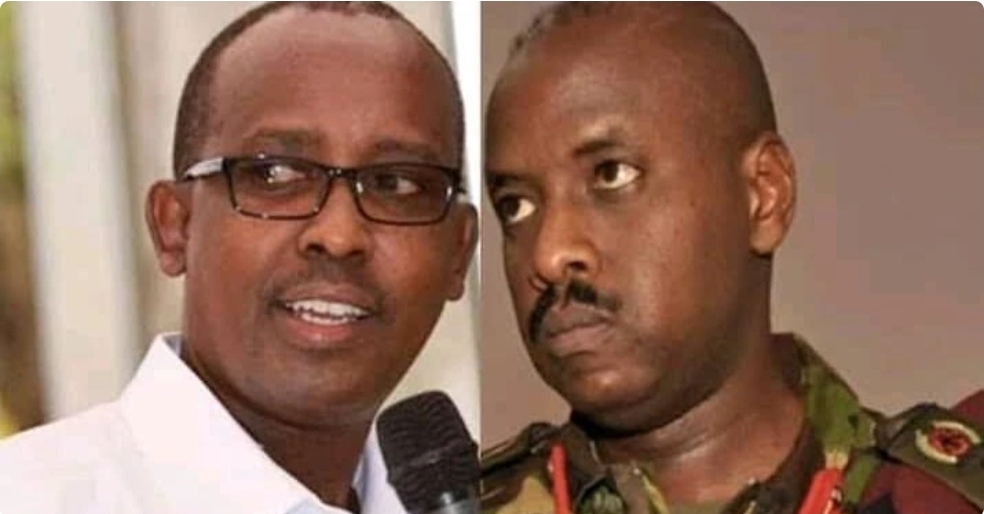 Rwabwogo Advised to ‘Eat His Bishop’ As MK Prepares to Enter State H’se: PREZ MUSEVENI ON HIS WAY OUT
Ultimate Uganda
Rwabwogo Advised to ‘Eat His Bishop’ As MK Prepares to Enter State H’se: PREZ MUSEVENI ON HIS WAY OUT
Ultimate Uganda
0 Comments