
The Sovereignty Bill Just Fell Short of Being Named Bobi Wine- Odonga Otto
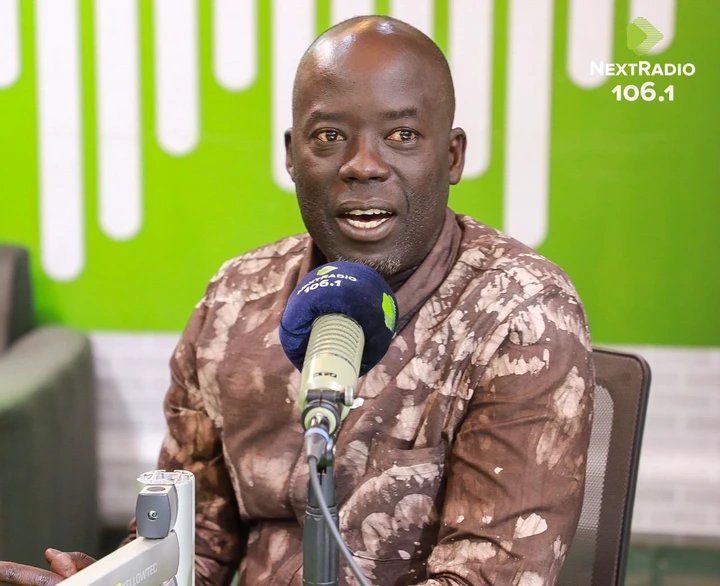

Former Aruu County Member of Parliament Odonga Otto has argued that the proposed National Sovereignty Bill 2026, is a “very bad law,†in which government is trying to control “the activities of people outside Uganda and prevents them from influencing the internal matters of Uganda.â€
Speaking to Canary Mugume during Next Big Talk hosted by Next Radio on Saturday, Otto claimed that the bill is targeted at former National Unity Platform (NUP) presidential candidate, Robert Kyagulanyi Ssentamu, popularly known as Bobi Wine, who is currently in the United States undergoing international engagements following a two-month period in hiding after the highly disputed January 15 general elections.
“I’ve read the contents of the National Sovereignty Bill 2026; actually inside of it, they just fell short of adding the name Bobi Wine,†he said.
Otto also addressed ongoing debates around international advocacy and sanctions, particularly in relation to Bobi Wine. While critical of external lobbying efforts, he cautioned that sanctions could equally affect Bobi’s supporters.
“Someone who voted in Mityana and is receiving ARVs through donor funding will also suffer. If you call for sanctions on the Ugandan government, even those who voted for NUP will suffer and die,†he said.
Otto further warned that “Parliament is vulnerable at the moment,†and they are thus growing expectations that the bill will pass if tabled.
The National Sovereignty Bill 2026 seeks to establish a regulatory framework governing individuals and organisations deemed to be acting on behalf of foreign interests. The proposal introduces requirements for organisations operating in Uganda to disclose any foreign funding within 14 days of receipt, while granting the Minister of Internal Affairs expanded authority to monitor, regulate, and potentially restrict foreign-linked activities.
It also places oversight under the Ministry’s department responsible for peace and security and introduces a broad classification of “disruptive activities,†covering actions considered prejudicial to national security, participation in unlawful assemblies, and engagement in activities perceived to promote foreign interests.
Godber Tumushabe, a law lecturer at Makerere University, during the same talk show, argued that conversations about “civil society space†are an unnecessary characterisation.
“I don't run an NGO; I run a think tank space, and I run it as a business. The National Sovereignty Bill 2026 shifts the people's sovereignty and vests it in government entities.â€
Adding to the discussion, legal expert Timothy Mbalinda Mucunguzi argued that there is a “necessity for the government to look further into money coming from outside the country into Uganda,†adding that “a foreigner ought not to influence the electoral process of citizens in Uganda.â€
Members of the ruling National Resistance Movement (NRM) have defended the legislation as essential for protecting Uganda’s independence. Government Chief Whip Hamson Obua stated that similar laws exist internationally, citing the United Kingdom as an example.
“We were colonised by the British; the UK has similar legislation. We are not reinventing the wheel. The proposed law seeks to regulate foreign financial inflows to ensure they are for legitimate purposes and not harmful to Uganda,†he said during a press briefing at Parliament following a caucus meeting on Friday, 27 March.
The NRM Parliamentary Caucus has positioned the bill as a mechanism to operationalise constitutional principles of sovereignty, emphasising that all power belongs to the people and must be exercised in accordance with their sovereign will.
The bill has sparked growing debate among civil society organisations, legal analysts, and policy experts across Uganda.
Critics argue that its broad definitions could allow subjective interpretation, while increased ministerial oversight may create room for abuse of power.
There are also concerns that restrictions on foreign funding could limit NGO operations and disrupt international partnerships, with observers noting similarities to earlier regulatory efforts targeting externally funded organisations


 Government will not gazette Kijanangoma as King of Tooro for now - Attorney General insists
Ultimate Uganda
Government will not gazette Kijanangoma as King of Tooro for now - Attorney General insists
Ultimate Uganda
 King Oyo’s Body to Arrive Thursday
Ultimate Uganda
King Oyo’s Body to Arrive Thursday
Ultimate Uganda
 Besigye, Lukwago expected to meet Gen. Salim Saleh today at Kapeeke
Ultimate Uganda
Besigye, Lukwago expected to meet Gen. Salim Saleh today at Kapeeke
Ultimate Uganda
 Rwabwogo Advised to ‘Eat His Bishop’ As MK Prepares to Enter State H’se: PREZ MUSEVENI ON HIS WAY OUT
Ultimate Uganda
Rwabwogo Advised to ‘Eat His Bishop’ As MK Prepares to Enter State H’se: PREZ MUSEVENI ON HIS WAY OUT
Ultimate Uganda
0 Comments