
Rukungiri Transport Operators Struggle as Fuel Prices Surge
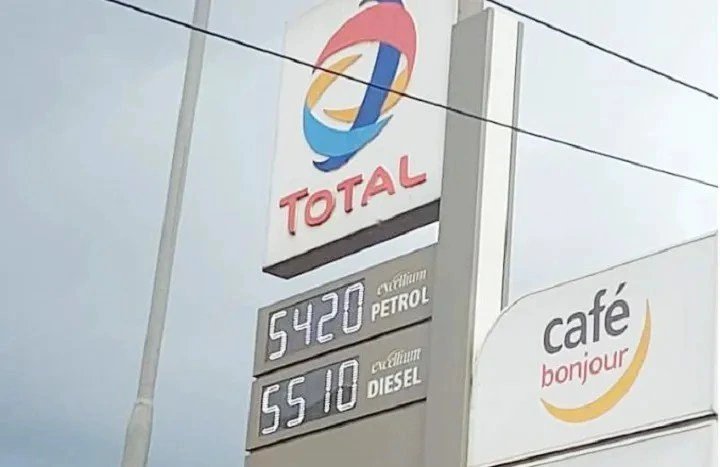

Transport operators in Rukungiri District have raised concerns over the rising fuel prices, saying the situation is increasingly affecting their daily operations and livelihoods.
The concern follows recent global tensions involving Iran, the United States, and Israel, which have contributed to an increase in fuel prices. In early March, a litre of diesel was selling at about 4,900 shillings, but it has since risen to approximately 5,500 shillings.
Boda boda riders, including Sezi Tokamanya from Go Down Stage and Naboth Nabasa from Rwenshama Stage, say the high fuel costs are putting them under pressure, especially as customers still expect to pay the same fares as before. They note that many riders do not own the motorcycles they operate, making it even harder to cope with the rising expenses.
The riders explained that distances previously charged at 1,000 shillings are now no longer sustainable at that rate, yet increasing fares remains a challenge due to customer resistance. They also warned that the rising fuel prices are likely to have a broader impact on the cost of living, as traders may increase prices of goods due to higher transport costs.
Taxi operators in the district share similar concerns. Drivers such as Festo Rugyenga, Arodi Kanahe, and Jovantina Bakwatampora say transporters are struggling financially and may soon be forced to adjust fares. They revealed that plans are underway to announce new transport charges after the Easter holidays, citing the sharp increase in fuel costs as unsustainable under current fare structures.
The operators also expressed fears that if the ongoing conflict persists, fuel prices could continue to rise, further worsening their situation. They have called on the government to intervene and consider setting a standard or more stable fuel pricing mechanism.
Meanwhile, the manager of TotalEnergies Rukungiri Branch, Arafat Ssempebwa, attributed the high fuel prices to global supply disruptions caused by the conflict. He explained that some major fuel suppliers are affected by the war, leading to shortages and delays in supply. As a result, stations are forced to adjust prices due to limited stock and high demand, as well as increased procurement costs.
The situation continues to pose challenges for both transport operators and consumers, with concerns that the ripple effects may extend across various sectors of the local economy.


 Starlink goes live in Uganda; price comparisons against MTN, Airtel
Ultimate Uganda
Starlink goes live in Uganda; price comparisons against MTN, Airtel
Ultimate Uganda
 NSSF sets September 24 for Annual Members Meeting as savers await interest rate declaration
Ultimate Uganda
NSSF sets September 24 for Annual Members Meeting as savers await interest rate declaration
Ultimate Uganda
 Boda boda riders launch e-commerce, digital loans platform
Ultimate Uganda
Boda boda riders launch e-commerce, digital loans platform
Ultimate Uganda
 Rwanda: We Cannot Sit and Watch As Illicit Alcohol Kills People - Kagame
Ultimate Uganda
Rwanda: We Cannot Sit and Watch As Illicit Alcohol Kills People - Kagame
Ultimate Uganda
0 Comments