
Anita Among Leads at The On-going Kyankwanzi Retreat as NRM Revives Seven-Year Term Plan for President & MPs
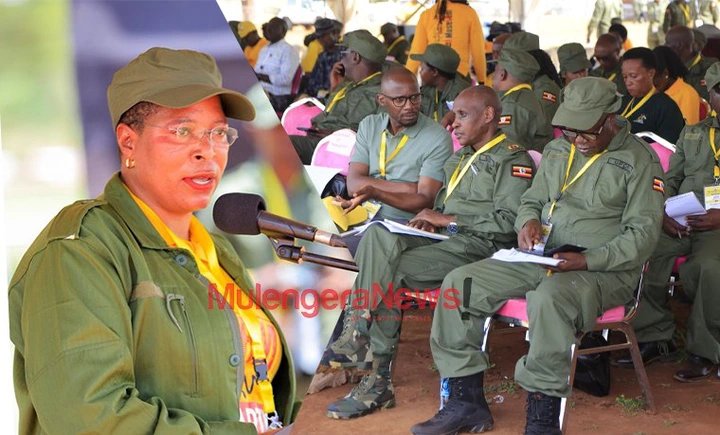

A fresh push to extend the term of political leaders from five to seven years has resurfaced, with Anita Among using the ongoing Kyankwanzi retreat to rally newly elected MPs behind the controversial proposal, an effort many say could redefine the Pearl’s political calendar while raising fresh constitutional questions.
Sources at the National Leadership Institute (NALI) in Kyankwanzi say that Among raised the matter during closed-door sessions with newly elected NRM MPs and party-leaning independents, positioning it as a reform that Parliament has the authority to pursue under Article 77 of the Constitution.
Reporting by Weekend Vision shows that the Speaker of the Parliament of Uganda framed the extension as both practical and regionally aligned, arguing that some countries within the East African Community already operate longer political tenures. The proposal, if adopted, would affect the presidency, Parliament, and other elective offices.
However, beyond the legal argument, political observers say the timing and setting of the proposal are significant. The Kyankwanzi retreat (traditionally used by the NRM to align its legislators) offers a strategic platform to build consensus on sensitive reforms before they reach Parliament.
Many suggest that appealing to MPs with the prospect of longer tenure could easily win support in a Parliament dominated by yellow cadres.
The move also comes at a politically charged moment, with a competitive speakership race unfolding despite earlier NRM CEC endorsements. Observers argue that pushing a proposal likely to benefit MPs directly could strengthen Among’s standing among house men and women whose backing will be central in consolidating her position as Speaker.
This is not the first time the idea has surfaced. Previous attempts spearheaded by James Kakooza to extend political terms faced stiff resistance, both politically and legally. During past constitutional amendment debates, similar proposals were rejected, with courts ruling that altering the duration of elected mandates without consulting voters breaches the democratic contract. Legal experts have consistently maintained that such a change would require a national referendum.
Despite these hurdles, the proposal’s revival signals renewed appetite within sections of the political establishment to revisit the structure of Uganda’s electoral cycle. Supporters argue that five years is too short for leaders to fully implement their programs, while critics see the move as self-serving and potentially undermining democratic accountability.
Political analysts warn that if the idea gains traction in Kyankwanzi, it could quickly transition from internal discussion to formal legislative agenda in the 12th Parliament. At Kyankwanzi, where party discipline often shapes legislative outcomes, such proposals rarely fail to make it to the floor of parliament.


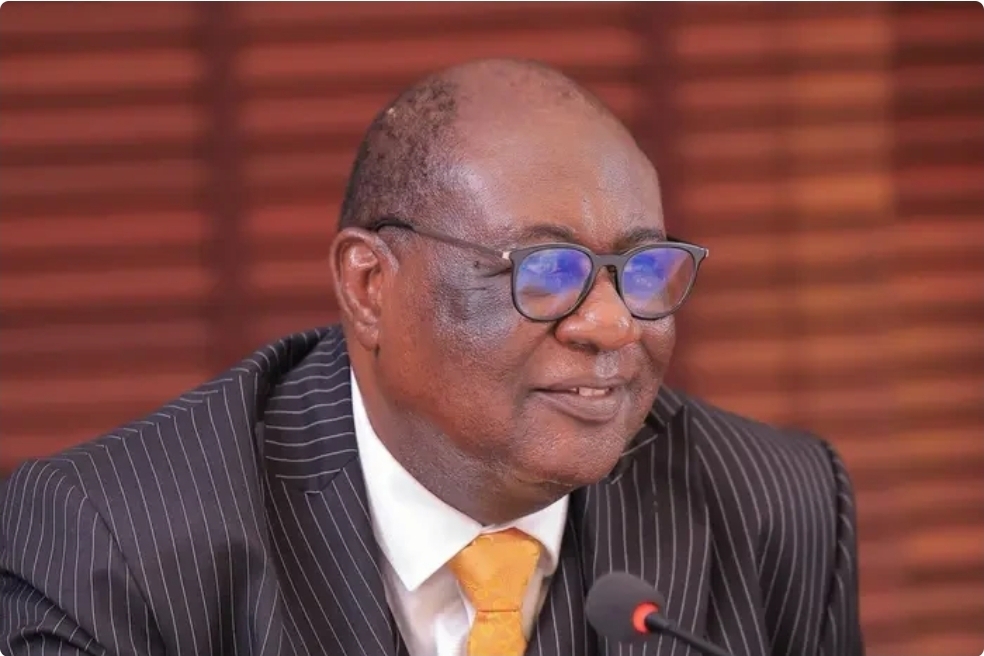 Government will not gazette Kijanangoma as King of Tooro for now - Attorney General insists
Ultimate Uganda
Government will not gazette Kijanangoma as King of Tooro for now - Attorney General insists
Ultimate Uganda
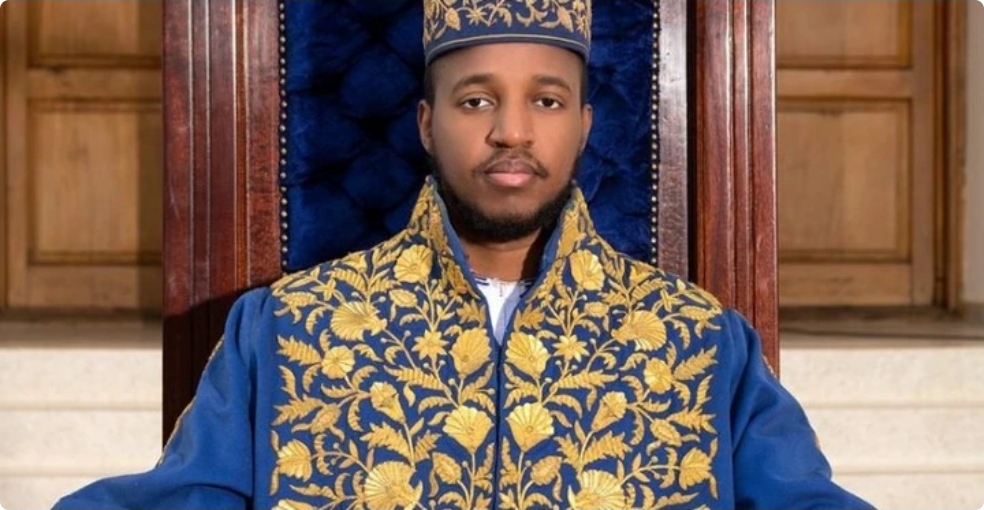 King Oyo’s Body to Arrive Thursday
Ultimate Uganda
King Oyo’s Body to Arrive Thursday
Ultimate Uganda
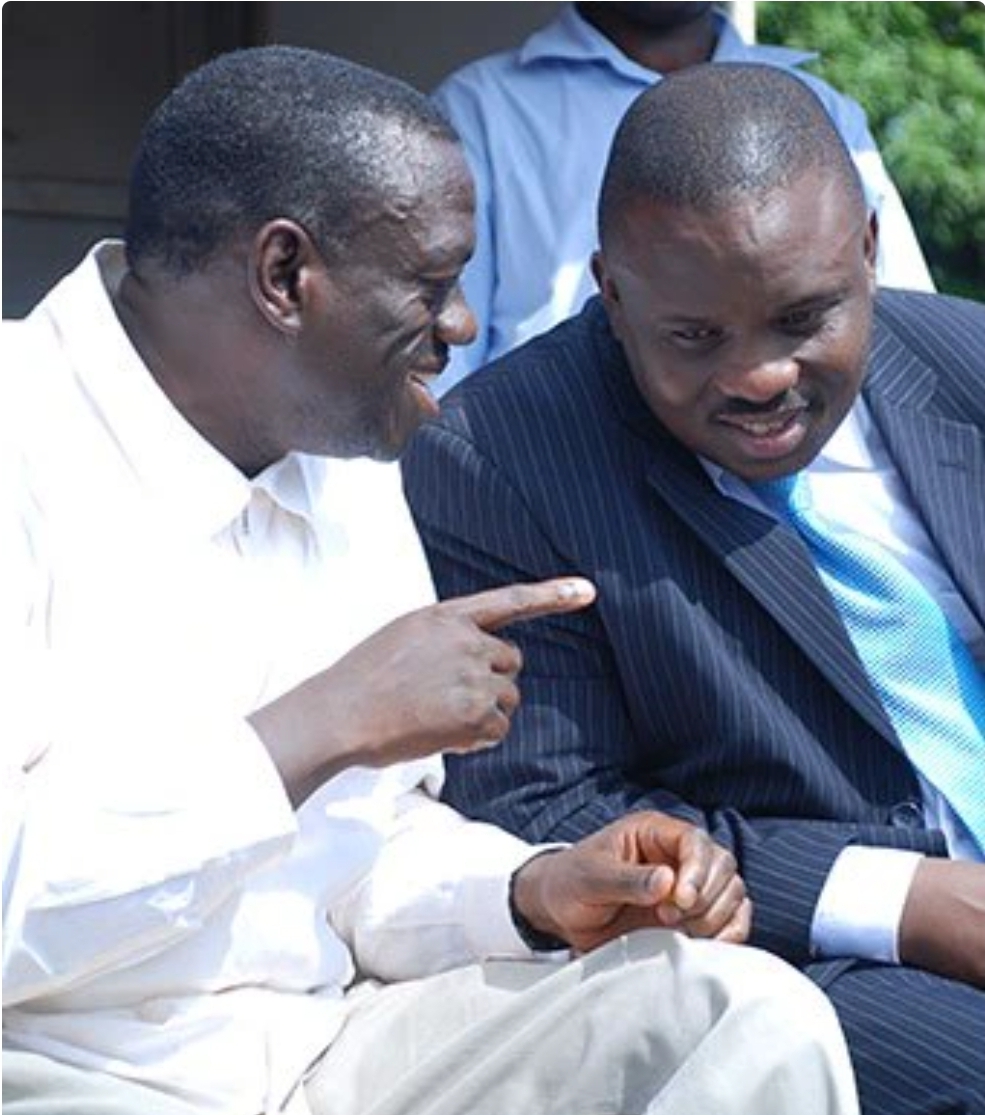 Besigye, Lukwago expected to meet Gen. Salim Saleh today at Kapeeke
Ultimate Uganda
Besigye, Lukwago expected to meet Gen. Salim Saleh today at Kapeeke
Ultimate Uganda
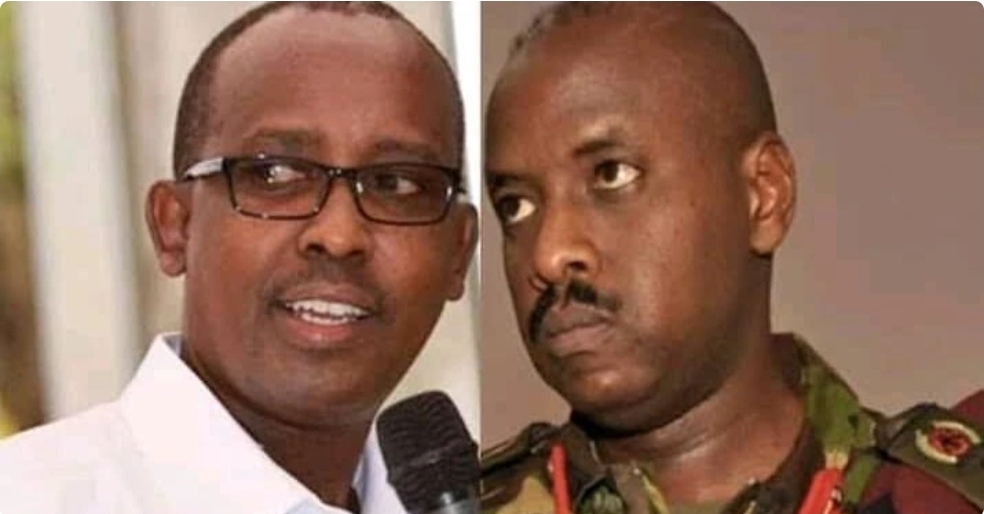 Rwabwogo Advised to ‘Eat His Bishop’ As MK Prepares to Enter State H’se: PREZ MUSEVENI ON HIS WAY OUT
Ultimate Uganda
Rwabwogo Advised to ‘Eat His Bishop’ As MK Prepares to Enter State H’se: PREZ MUSEVENI ON HIS WAY OUT
Ultimate Uganda
0 Comments