
There is a Level of Familiarity Politicians Engage With Speaker Among
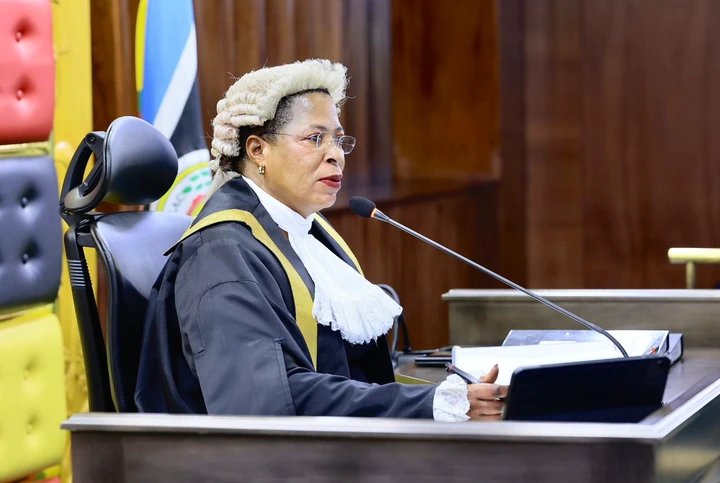

As a public spat between Speaker Anita Among and Norbert Mao dominates headlines, it reveals a deeper shift in parliamentary power—from Rebecca Kadaga’s tightly controlled authority to a more open, if unpredictable, era of political pushback.
At the height of her power as Speaker of Parliament, Rebecca Kadaga commanded a level of authority that bordered on mystique. In one memorable episode, a local daily published a story about a traditional healer in Busoga who claimed he had been used and not paid for his services.
Coupled with a widely circulated photograph of Kadaga emerging from what appeared to be a shrine, the story gripped national attention. But the aftermath was even more telling.
Kadaga moved swiftly and decisively, tightening the screws on the publication so firmly that its editors were left scrambling to recover. It was a stark reminder of the aura she wielded—one that discouraged dissent and punished perceived disrespect.
Fast forward to today, and the contrast with her successor, Anita Among, could not be more striking.
This week’s political chatter has been dominated by the exchange between Speaker Anita Among and Justice and Constitutional Affairs Minister Norbert Mao over the latter’s attendance at the NRM MPs-elect retreat in Kyankwanzi.
Among’s now-famous “bedroom†analogy—intended to define the limits of political cooperation—sparked immediate reaction. Mao’s response, laced with sharp metaphor and biting sarcasm, did not just push back; it did so with a level of boldness that would have been unthinkable during Kadaga’s tenure.
That is perhaps the most revealing difference.
Under Kadaga, it was almost unheard of for a politician—let alone one operating within a delicate cooperation arrangement—to openly challenge the Speaker and walk away unscathed. Her authority was not merely institutional; it was deeply personal and fiercely guarded. Criticism, especially in public, often came at a cost.
With Among, however, the boundaries appear more fluid.
Mao’s response, invoking family hierarchy and subtly questioning the Speaker’s standing, was not just a rebuttal—it was a performance of political confidence. It suggested a familiarity with the office of the Speaker that is new, perhaps even reflective of a changing political culture. One gets the sense that such exchanges, while sharp in tone, do not necessarily signal lasting hostility.
Indeed, there is a growing perception that Among’s leadership style accommodates a certain level of pushback. Yes, there have been moments—her emphatic “shut up, I say shut up†interventions in Parliament come to mind—that project firmness, even impatience.
There have also been whispers of vindictiveness in specific instances. But these are balanced by a broader pattern: politicians increasingly feel emboldened to criticise her openly.
And crucially, they appear to do so without fear of permanent fallout.
It would not surprise many observers if, beyond the public glare and rhetorical sparring, the same political actors find common ground with ease. One can almost imagine that just outside the metaphorical “Kyankwanzi bedroom,†Among and Mao might well have laughed off the exchange and shared a drink.
If that is indeed the case, it speaks to a different kind of power—one less anchored in intimidation and more in political elasticity.
Of course, this openness is not without risk. In an era shaped by social media, where every word is amplified and dissected, the line between accessibility and diminished authority can be thin. The informality that allows for such exchanges can also be interpreted as a weakening of institutional gravitas.
Yet, it may also reflect the realities of contemporary politics. The age of rigid political correctness is fading, replaced by a more direct, sometimes abrasive style of engagement. Leaders are no longer insulated in the same way; they are participants in an ongoing, highly visible conversation.
Within this context, Among’s speakership reveals an interesting duality.
On one hand, she has demonstrated an ability to push through government business with determination, maintaining control of parliamentary proceedings and advancing the legislative agenda.
On the other, she presides over a political environment in which MPs and senior figures feel increasingly comfortable challenging her in public.
That balance—between authority and tolerance—may well define her legacy.
Where Kadaga ruled with an iron hand that discouraged dissent, Among appears to govern with a looser grip, one that allows for friction but perhaps also fosters a more open, if less predictable, political space.
Whether this marks a maturation of Uganda’s political culture or a dilution of institutional authority remains an open question. But what is clear is that the office of the Speaker, under Anita Among, is being reshaped—not just by the person who occupies it, but by how others now choose to engage with it.


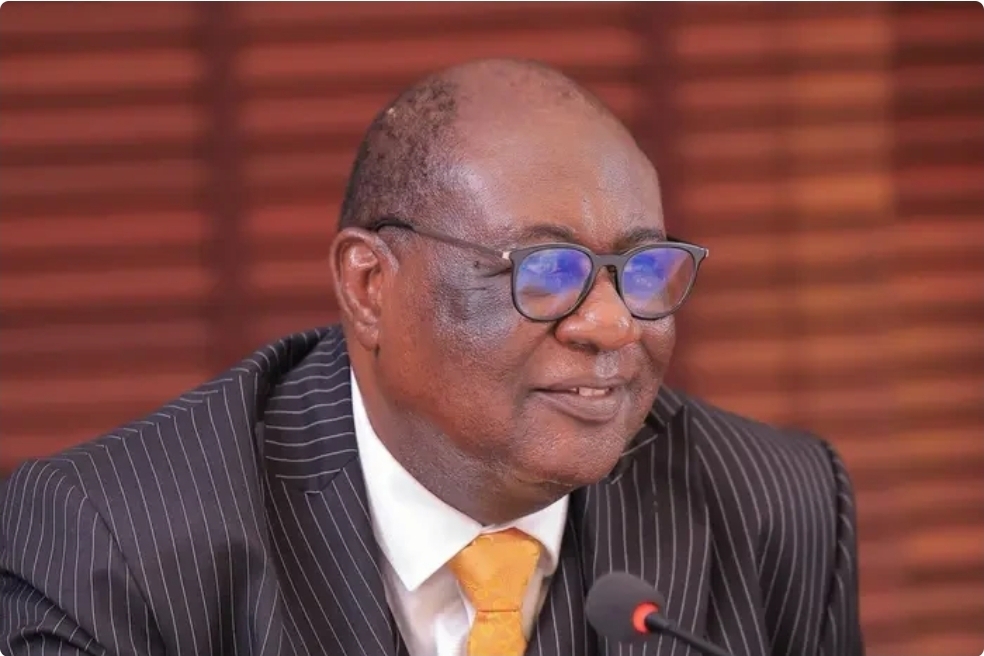 Government will not gazette Kijanangoma as King of Tooro for now - Attorney General insists
Ultimate Uganda
Government will not gazette Kijanangoma as King of Tooro for now - Attorney General insists
Ultimate Uganda
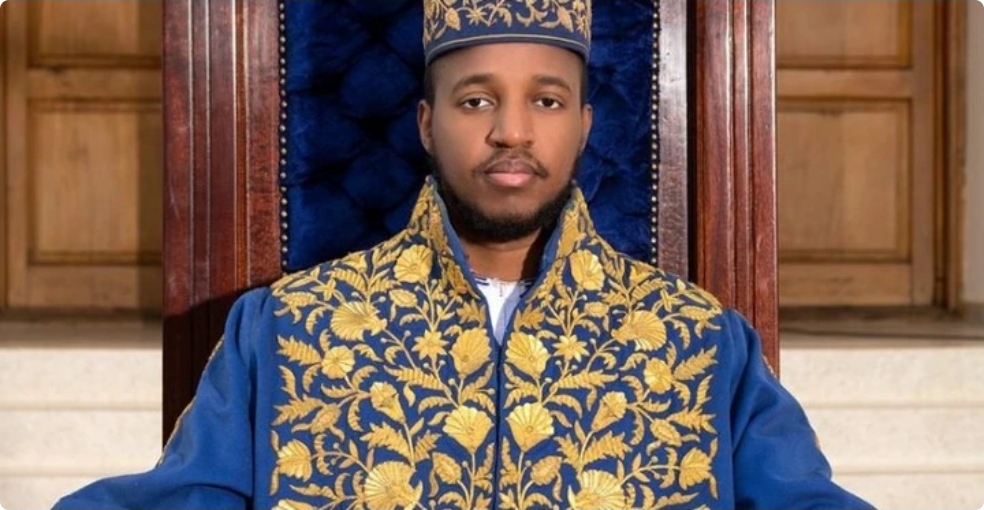 King Oyo’s Body to Arrive Thursday
Ultimate Uganda
King Oyo’s Body to Arrive Thursday
Ultimate Uganda
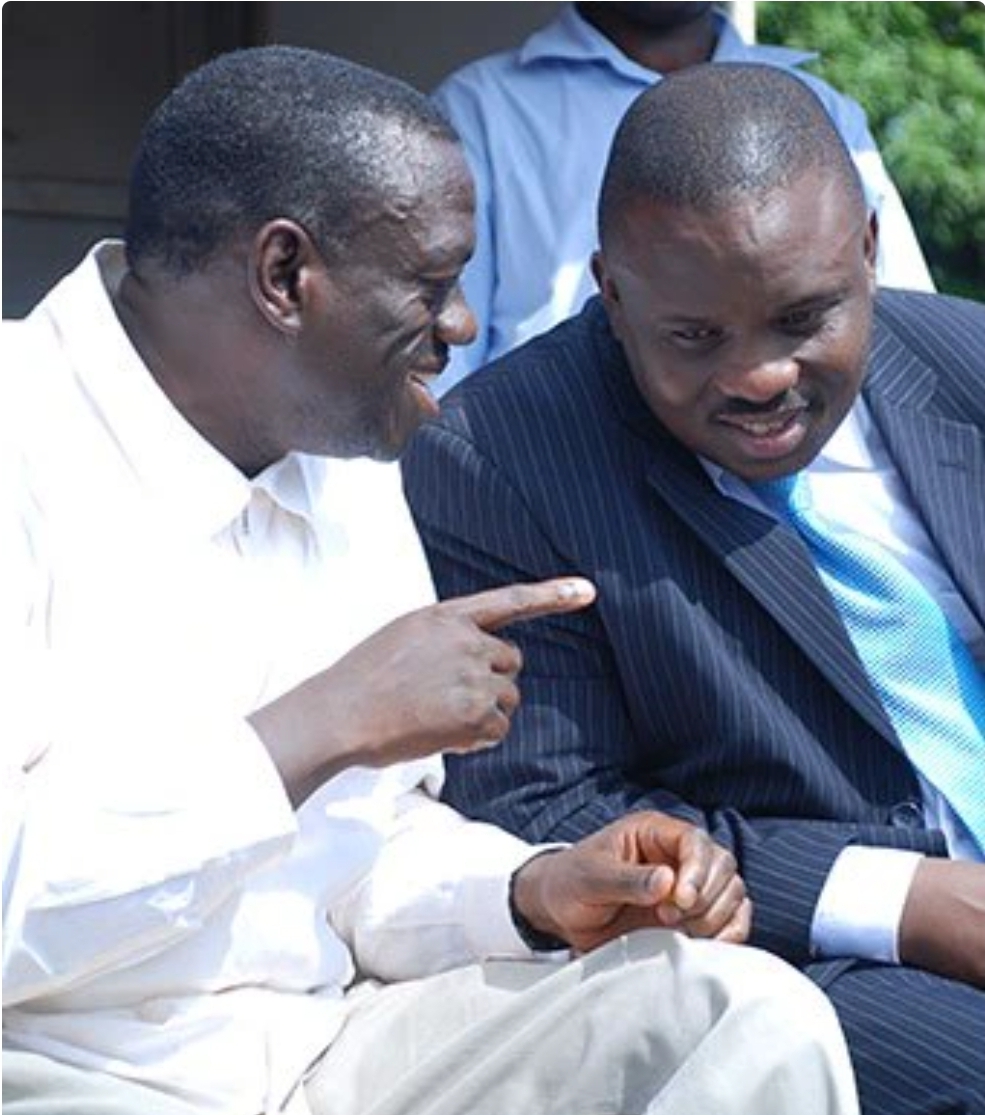 Besigye, Lukwago expected to meet Gen. Salim Saleh today at Kapeeke
Ultimate Uganda
Besigye, Lukwago expected to meet Gen. Salim Saleh today at Kapeeke
Ultimate Uganda
 Rwabwogo Advised to ‘Eat His Bishop’ As MK Prepares to Enter State H’se: PREZ MUSEVENI ON HIS WAY OUT
Ultimate Uganda
Rwabwogo Advised to ‘Eat His Bishop’ As MK Prepares to Enter State H’se: PREZ MUSEVENI ON HIS WAY OUT
Ultimate Uganda
0 Comments