
How firm lost Shs 10bn Yaka metre deal from UEDCL for ‘inflating’ its prices
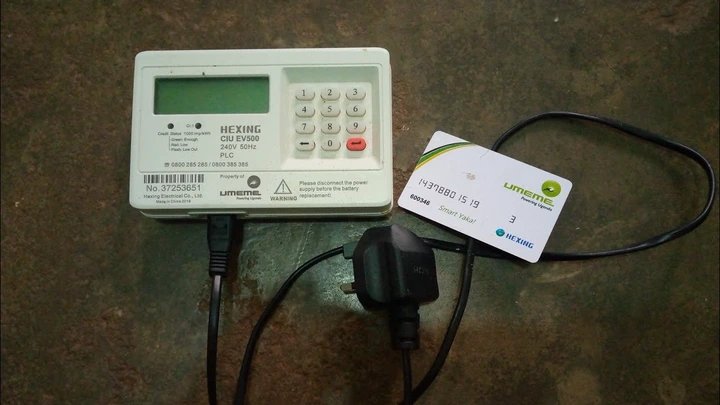

A dispute over a multi-billion shilling electricity metre tender has collapsed after the PPDA Appeals Tribunal dismissed a case filed by Uzuzi Meter Technologies Limited against Uganda Electricity Distribution Company Limited (UEDCL).
In a ruling delivered on April 2, 2026, the Tribunal did not even go into the merits of the dispute. Instead, it found that Uzuzi had no legal standing to bring the case because its bid had already expired by the time it sought legal redress.
The case arose from a procurement process launched by UEDCL to buy 50,000 split prepayment smart single-phase energy meters under a project worth over Shs10 billion.
Uzuzi participated in an open bidding process and emerged as the best evaluated bidder. On September 3, 2025, the company was declared the winner by UEDCL at a contract price of Shs10.784 billion.
But even before the contract could be signed, UEDCL conducted its own market checks and found that Uzuzi’s quoted price exceeded the prevailing market rate.
UEDCL’s market research showed the same meters could cost about Shs10.114 billion. This prompted UEDCL to write to Uzuzi asking it to reduce its price.
Uzuzi refused.
In a response dated September 2, 2025, Uzuzi defended its pricing, saying its meters were of superior quality. It cited the use of standard G3 PLC chips, high-quality copper materials, advanced protective processes, enhanced stability, and the benefits of maintaining a local factory.
This refusal became the turning point.
UEDCL interpreted it as an unwillingness to comply with procurement rules that prohibit awarding contracts above market price.
On November 11, 2025, UEDCL communicated to Uzuzi that it had cancelled the award of the contract, and the firm, in a twist, changed its mind on the same day.
After initially rejecting the price reduction, the company wrote back indicating that it was now willing to match the market rate.
But by then, UEDCL had effectively moved on.
Despite Uzuzi’s change of heart, the contract was never signed. The company kept writing letters in December 2025 and January 2026 asking for clarity, but UEDCL responded that the matter had been “overtaken by events.â€
Feeling aggrieved, Uzuzi lodged a complaint against UEDCL in the PPDA Appeals Tribunal, seeking administrative review. It argued that as the best evaluated bidder, it had a right to the contract and that the refusal to proceed was unfair.
The company also challenged the legality of the request to reduce prices, saying it was not provided for under procurement law.
In its filings, Uzuzi insisted that the November 11 letter was not a final decision. It further argued that once it accepted the revised price, UEDCL had no justification to abandon the contract.
The company asked for remedies, including costs of Shs60 million and damages of Shs50 million.
UEDCL pushed back strongly.
Its legal team, led by Ben Nyenje, a legal officer, and Scovia Kebirungi, the acting legal manager, argued that the decision not to proceed with Uzuzi was lawful.
They told the tribunal that procurement rules do not allow contracts to be signed above market price.
UEDCL also argued that its November 11 letter was indeed a final decision and that Uzuzi should have challenged it within the legally required time.
Another key issue was fees. UEDCL said Uzuzi had not paid the required administrative review fees when it first filed its complaint, which delayed the process and contributed to it being time-barred.
In the tribunal, Uuzi was represented by lawyer Joel Israel Kidandaire of Astral Advocates. At the hearing held via Zoom on March 31, 2026, both sides presented their arguments.
But the tribunal did not resolve whether UEDCL acted unfairly or unlawfully. Instead, it focused on a more basic legal question: whether Uzuzi still had the right to bring the case at all.
The answer was no.
The tribunal found that all bids in the procurement were only valid up to December 31, 2025. Uzuzi had not extended the validity of its bid beyond that date.
This had serious consequences.
Under procurement law, once a bid expires, the bidder ceases to exist in the process. By the time Uzuzi filed its complaint in February 2026 and later went to the tribunal in March, it was no longer legally recognised as a bidder.
This meant Uzuzi had no legal standing, also known as locus standi, to bring the case, and because of this, the tribunal refused to consider the substance of the dispute.
Uzuzi’s case was dismissed, and each party was told to bear its own costs. Uzuzi’s directors, who had initially celebrated winning a multi-billion-dollar contract, walked away empty-handed.


 Starlink goes live in Uganda; price comparisons against MTN, Airtel
Ultimate Uganda
Starlink goes live in Uganda; price comparisons against MTN, Airtel
Ultimate Uganda
 NSSF sets September 24 for Annual Members Meeting as savers await interest rate declaration
Ultimate Uganda
NSSF sets September 24 for Annual Members Meeting as savers await interest rate declaration
Ultimate Uganda
 Boda boda riders launch e-commerce, digital loans platform
Ultimate Uganda
Boda boda riders launch e-commerce, digital loans platform
Ultimate Uganda
 Rwanda: We Cannot Sit and Watch As Illicit Alcohol Kills People - Kagame
Ultimate Uganda
Rwanda: We Cannot Sit and Watch As Illicit Alcohol Kills People - Kagame
Ultimate Uganda
0 Comments