
5 major complication risks patients should understand before undergoing general anesthesia for surgery
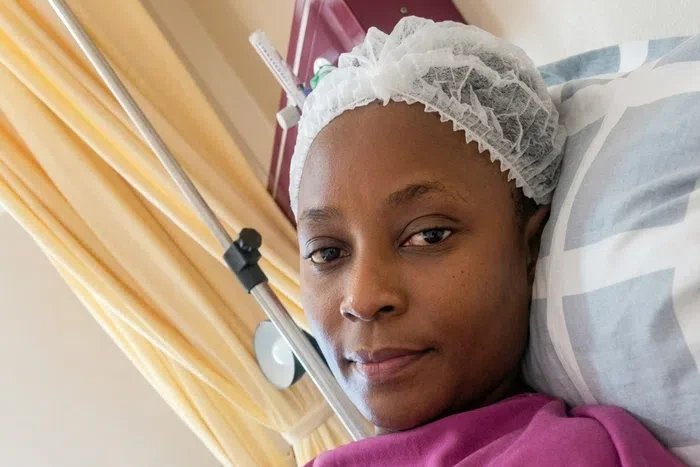

Nakimuli’s death has renewed focus on the key medical risks patients face during and after surgery, even in procedures considered routine.
Nakimuli’s death has raised concerns about risks linked to surgery and anaesthesia.
Experts highlight complications such as breathing issues, allergic reactions and failure to wake up.
Other risks include infections and blood clots after surgery.
The incident has sparked calls for greater awareness and accountability in healthcare.
The death of Kalangala District Woman MP Hellen Nakimuli has sparked a wider national conversation about the risks patients face when undergoing surgery, particularly under general anaesthesia.
Nakimuli died on Sunday afternoon after undergoing a procedure at a private medical facility in Kampala, despite reportedly being in stable condition before the operation.
Leader of Opposition Joel Ssenyonyi said he had spoken to her earlier that day and she seemed in good health.
“This morning at about 9am, I spoke to Hon Hellen Nakimuli… she was literally driving herself to hospital for a surgery which she indicated was not major. Unfortunately, she has not made it out of theatre,†he said.
National Unity Platform Secretary General David Lewis Rubongoya also described the death as shocking.
“The news is shocking because she was a young woman who looked healthy and was doing her work fine,†he said.
He said doctors had indicated that the surgery had been completed but she did not regain consciousness.
Nakimuli's body was taken to Mulago Hospital for postmortem
Her body was taken to Mulago National Referral Hospital for a postmortem, with results expected to be made public.
While investigations are awaited, the incident has brought out the need for greater public awareness about the risks associated with surgery, even in cases considered routine.
MP Helen Nakimuli
What is general anasthesia
At its simplest, general anesthesia is a medically induced state of controlled unconsciousness. It is much deeper than regular sleep; when you are "under," your brain does not respond to pain signals or surgical stimuli.
A qualified professional—usually an anesthesiologist or a certified registered nurse anesthetist (CRNA)—administers a combination of medications to ensure you remain safe and still during a procedure.
1. Effects on breathing and oxygen supply
General anaesthesia works by depressing the central nervous system, which slows or temporarily stops the body’s natural breathing reflex. This is why patients are often placed on a ventilator during surgery to control breathing.
If oxygen supply is reduced, even for a short period, vital organs such as the brain and heart can be affected. In some cases, patients may develop respiratory complications after surgery, especially if they have underlying lung conditions or if mucus blocks the airways.
Anaesthetic drugs can also relax the muscles of the airway, increasing the risk of obstruction. This is why constant monitoring of oxygen levels is critical during operations.
2. Impact on heart function and blood pressure
Anaesthesia does not only affect breathing; it also influences the cardiovascular system. Many anaesthetic agents lower blood pressure by relaxing blood vessels and reducing heart activity.
In some patients, especially those with undiagnosed heart conditions, this can lead to irregular heart rhythms, reduced blood flow to vital organs or even cardiac arrest.
Rapid drops in blood pressure can also limit oxygen delivery to the brain, increasing the risk of complications. Doctors manage this by carefully adjusting drug levels and monitoring heart activity throughout the procedure.
3. Delayed awakening and brain response complications
After surgery, the body must metabolise and eliminate anaesthetic drugs before a patient regains consciousness. In some cases, this process is delayed due to factors such as drug sensitivity, dosage, or underlying health conditions affecting the liver or kidneys.
When a patient does not wake up as expected, it may indicate deeper complications, including brain hypoxia, drug interactions or metabolic imbalances.
Rubongoya’s statement that Nakimuli “did not wake up†reflects one of the most serious and least understood outcomes, often requiring detailed postmortem analysis to determine the exact cause.
4. Severe allergic and immune reactions
Although rare, anaesthetic drugs and surgical medications can trigger severe allergic reactions. These reactions can cause a sudden drop in blood pressure, airway swelling and difficulty breathing, a condition known as anaphylaxis.
In extreme cases, the immune response can shut down multiple body systems within minutes if not treated immediately. Because some reactions occur without prior warning, medical teams must be prepared to respond quickly with emergency interventions.
5. Blood clots, bleeding and post-surgical complications
Beyond anaesthesia, the body faces additional risks from the surgery itself. Reduced movement during and after surgery can lead to the formation of blood clots in the legs, which may travel to the lungs and cause life-threatening conditions such as pulmonary embolism.
Surgical procedures can also lead to internal bleeding or infections, especially if healing is slow or if there are complications during the operation.
Medical teams usually take preventive steps, but recovery care remains critical in reducing this risk.
Growing calls for awareness
Nakimuli’s death has also triggered calls for greater transparency and accountability in healthcare. Some members of the public have urged authorities to investigate such incidents and improve patient safety standards.
One social media user, Ronald Amanyire, said: “We must have an honest national conversation about the possibility of medical negligence… strengthening accountability and ensuring transparency in medical procedures is no longer optional.â€
Health experts say while most surgeries are safe, patients should always be fully informed of potential risks and ask questions before consenting to procedures.


 The women who have been in King Oyo’s life
Ultimate Uganda
The women who have been in King Oyo’s life
Ultimate Uganda
 Ex Kagame Guard Commander Tom Byabagamba Dies in Rwandan Prison After 12 Years
Ultimate Uganda
Ex Kagame Guard Commander Tom Byabagamba Dies in Rwandan Prison After 12 Years
Ultimate Uganda
 Government begins salary payments for public sector workers – Reform Committee
Ultimate Uganda
Government begins salary payments for public sector workers – Reform Committee
Ultimate Uganda
 Temangalo land: NSSF, Nzenyi reach agreement
Ultimate Uganda
Temangalo land: NSSF, Nzenyi reach agreement
Ultimate Uganda
0 Comments