
Stanbic ordered to deposit Shs 200m as security in legal dispute with Vegol

Stanbic Bank Uganda has been ordered by the court to deposit Shs200 million as security in a commercial dispute with Vegol Limited that has dragged on for four years now.
It all began in 2022 when Vegol, a prominent manufacturer specializing in edible oils, soaps, and other products, sued another firm, Sanjay Trading Company Limited, seeking to recover Shs 878 million.
After winning that case, Vegol moved to recover its money by targeting banks, including Stanbic, believed to be holding funds for Sanjay Trading.
Stanbic Bank declined to release any money belonging to Sanjay Trading, triggering further legal trouble.
Vegol then instituted “contempt of court†proceedings against the bank, which also counter-sued. The bank lost its suit.
Still not satisfied, Stanbic Bank sought permission to appeal. The appeal, too, was dismissed with costs.
Despite these setbacks, Stanbic filed a notice of appeal and returned to court seeking to stop enforcement of the earlier decisions while it pursued the appeal.
This is what led to the latest application.
In court, Stanbic Bank was represented by Isaac Bakayana of Arcadia Advocates. Phillip Kasimbi and Mirembe Martha of Okalang Law Chambers represented Vegol.
Bakayana argued that the bank had already filed a notice of appeal and still had a chance of winning.
On the risk of harm, he warned that if the bank’s money was seized, it would be ridiculed.
Bakayana also argued that there was an ongoing threat of execution because Vegol was still trying to attach the bank’s accounts.
On the other side, Vegol’s lawyers, Kasimbi and Mirembe, argued that simply filing a notice of appeal was not enough, and that the bank’s notice was defective because it was filed late.
“The notice of appeal was filed out of the prescribed period of 14 days, and is incompetent,†the lawyers said.
They also argued that Stanbic should not be helped by the court while it was still in contempt of an earlier ruling.
Another key argument from Vegol’s lawyers was that the bank had failed to offer security, which is a standard requirement when asking for a stay of execution.
Justice Susan Abinyo carefully reviewed the law and set out five conditions that must be met before a court can stop enforcement of a judgment pending appeal.
These include filing a notice of appeal, acting without delay, showing a real threat of execution, proving substantial loss, and offering security.
She found that Stanbic met most of these conditions. She accepted that a notice of appeal had been filed and that the application was made on time.
Justice Abinyo also agreed there was a real threat of execution and accepted that the bank could suffer significant loss.
However, the bank failed on one crucial point: it had not offered any security.
Despite that failure, Justice Abinyo still gave Stanbic a chance, but with strict conditions. She said the bank must deposit Shs 200 million as security within 14 days. She warned that failure to pay the money would defeat their application.
For now, Vegol has kept pressure on the bank, while Stanbic has secured temporary relief albeit at a high cost.


 Starlink goes live in Uganda; price comparisons against MTN, Airtel
Ultimate Uganda
Starlink goes live in Uganda; price comparisons against MTN, Airtel
Ultimate Uganda
 NSSF sets September 24 for Annual Members Meeting as savers await interest rate declaration
Ultimate Uganda
NSSF sets September 24 for Annual Members Meeting as savers await interest rate declaration
Ultimate Uganda
 Boda boda riders launch e-commerce, digital loans platform
Ultimate Uganda
Boda boda riders launch e-commerce, digital loans platform
Ultimate Uganda
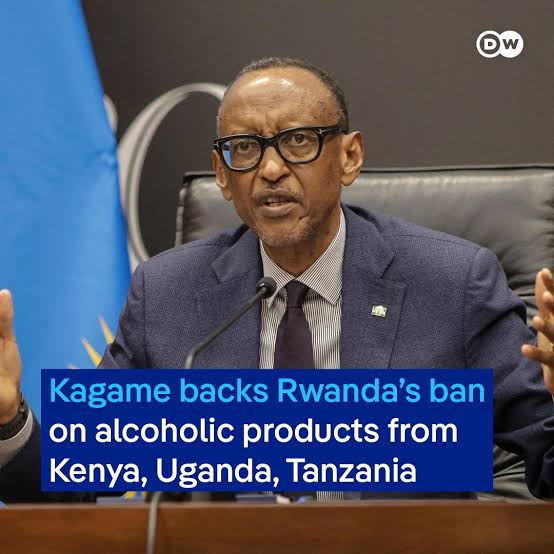 Rwanda: We Cannot Sit and Watch As Illicit Alcohol Kills People - Kagame
Ultimate Uganda
Rwanda: We Cannot Sit and Watch As Illicit Alcohol Kills People - Kagame
Ultimate Uganda
0 Comments