
Cut-off points hiked as Makerere University faces admission crisis
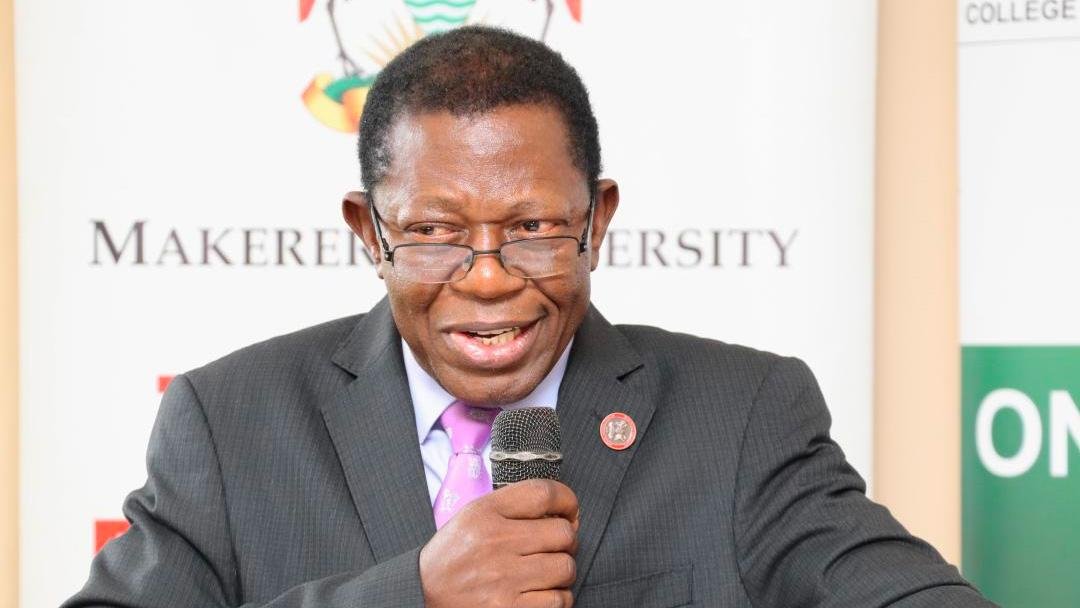

Tension is brewing at Makerere University as more parents and students flock to the hill to complain about missing out on government-sponsored admission despite strong academic results.
However, the university’s Academic Registrar, Prof Mukadasi Buyinza, insists that the process was fair, accurate, and purely merit-based.
Prof Buyinza roundly dismissed claims of possible system errors that could have left out many students, insisting that the admission system was thoroughly verified.
“We are 100 percent accurate in our records. We have checked the system over and over. The issue is not an error; the cut-off points are very high,†Prof Buyinza said. “You needed to have 20 out of 20 at A-Level and 8 in 8 at O-Level. If you have Aggregate 9 in 8, you are almost out.â€
Prof Buyinza explained that the cut-off points had been hiked due to improved performance levels this year, intensifying competition for the few government slots at the university.
For competitive programmes such as the Bachelor of Medicine and Surgery, the cut-off rose to about 54.1 points for female applicants and 54.4 for males, reflecting near-perfect academic performance requirements.
The registrar said attaining such scores requires consistent excellence across both A-Level and O-Level examinations. He explained that while many students presented top A-Level results, they were still left out because their earlier O-Level performance fell short.
“Even among those with triple A, about 50 to 60 candidates were not admitted. Once a student has even one lower grade at O-Level, such as a D2 or a C, they are disadvantaged in the final ranking,†he noted.
Prof Buyinza emphasised that O-Level results remain a key component in the admission process because public university policy requires an assessment of a student’s cumulative academic performance. “Education is not just about the final exam. We consider the full academic journey,†he said.
The situation was further complicated by a surge in the number of students excelling in science subjects. Improved performance, particularly in biology, has increased the pool of highly qualified candidates competing for a limited number of slots.
At the same time, government sponsorship opportunities have remained unchanged. Uganda offers about 4,000 government-funded university slots annually across all public institutions, with Makerere University taking roughly 1,672 of those slots.
“With a national population of about 45 million Ugandans and a growing number of qualified students, the demand far exceeds the available slots,†Prof Buyinza said, urging the government to consider expanding sponsorship opportunities.
The admission process was carried out jointly, with all 10 public universities participating in sifting from among the best 10,000 students in the country.
He also attributed some of the complaints to poor course selection, noting that several students apply for highly competitive programmes that do not align with their academic strengths.
“Let's identify our strong knowledge areas and then orient our students to take those subjects because there are many students who are not so strong in the sciences, but they have chosen to take that field,†Prof Buyinza said.


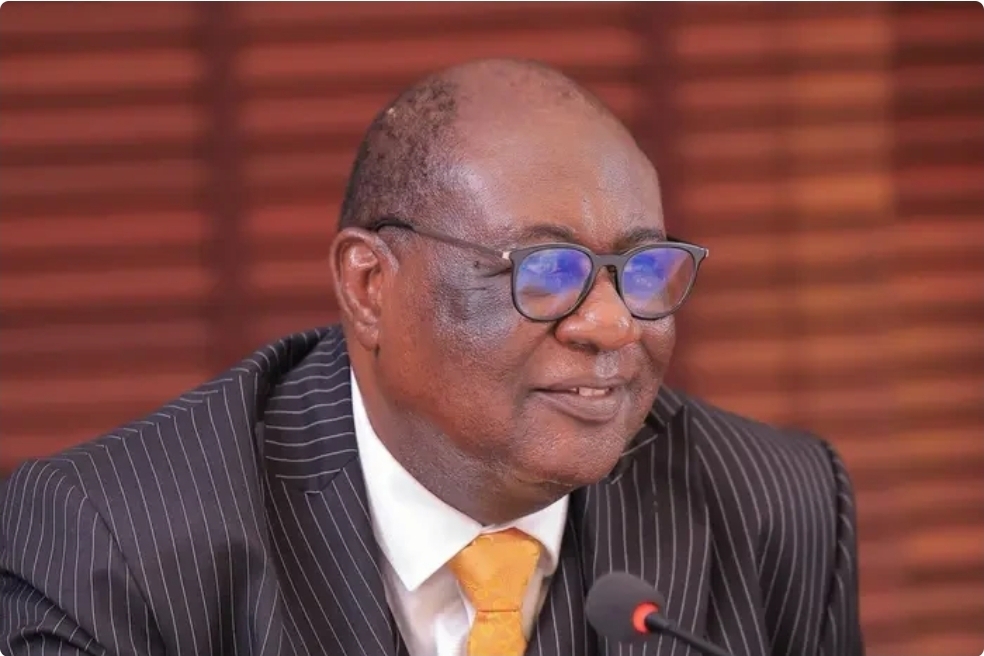 Government will not gazette Kijanangoma as King of Tooro for now - Attorney General insists
Ultimate Uganda
Government will not gazette Kijanangoma as King of Tooro for now - Attorney General insists
Ultimate Uganda
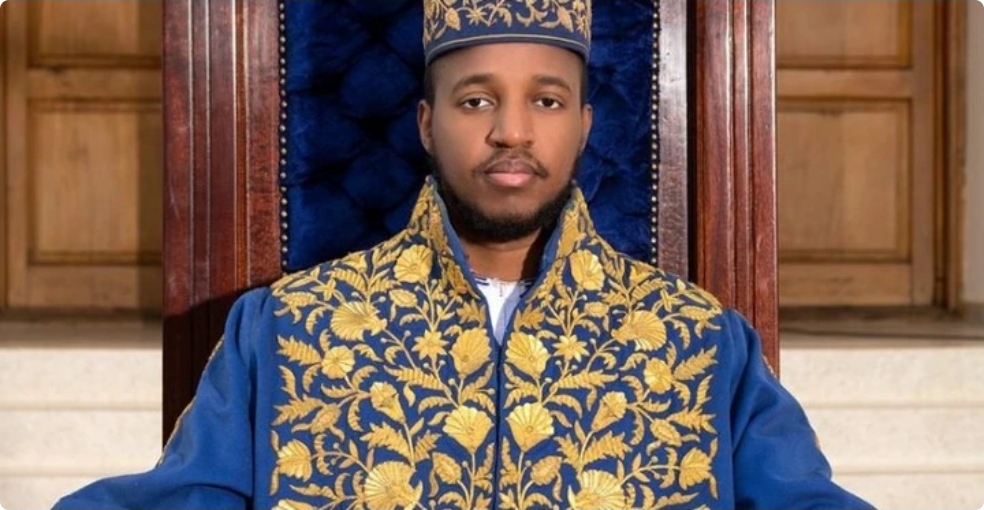 King Oyo’s Body to Arrive Thursday
Ultimate Uganda
King Oyo’s Body to Arrive Thursday
Ultimate Uganda
 Besigye, Lukwago expected to meet Gen. Salim Saleh today at Kapeeke
Ultimate Uganda
Besigye, Lukwago expected to meet Gen. Salim Saleh today at Kapeeke
Ultimate Uganda
 Rwabwogo Advised to ‘Eat His Bishop’ As MK Prepares to Enter State H’se: PREZ MUSEVENI ON HIS WAY OUT
Ultimate Uganda
Rwabwogo Advised to ‘Eat His Bishop’ As MK Prepares to Enter State H’se: PREZ MUSEVENI ON HIS WAY OUT
Ultimate Uganda
0 Comments