
Justice Khauka’s Verdict Sends a Clear Message: The Law Must Not Bend to Convenient Insanity Claims


Society does not—and should not—extend the same leniency to individuals who commit murder under the influence of alcohol. A drunk person, after all, also operates under impaired judgment. Alcohol distorts reasoning, lowers inhibition, and clouds decision-making. Yet when a drunken individual kills, the full weight of the law descends without hesitation. There is no chorus of legal voices arguing that intoxication should excuse the act.
The sentencing of Christopher Onyum Okello to death by Lady Justice Andrew Khauka of the High Court Criminal Division is more than just the conclusion of a harrowing murder trial—it is a decisive reaffirmation that the law must stand firm in the face of calculated brutality, no matter how cleverly it is dressed in legal argument.
Okello’s crime—the killing of four young children at Ggaba Daycare Centre—is one that shook the national conscience. It is the kind of act that tests not only the limits of human understanding but also the consistency of the justice system. And in this case, the court chose clarity over confusion.
Predictably, the defence reached for the familiar refuge of insanity. It is a strategy as old as criminal litigation itself—deploy the argument that the accused was not in control of their mental faculties, and therefore cannot bear full criminal responsibility.
In theory, the insanity defence exists to protect those genuinely incapable of distinguishing right from wrong. In practice, however, it has too often become a convenient shield for the indefensible.
If the argument is that Okello should have been spared conviction because he was not in his right mind, then we must ask an uncomfortable but necessary question: where do we draw the line - for drunk persons in crime?
Society does not—and should not—extend the same leniency to individuals who commit murder under the influence of alcohol. A drunk person, after all, also operates under impaired judgment. Alcohol distorts reasoning, lowers inhibition, and clouds decision-making.
Yet when a drunken individual kills, the full weight of the law descends without hesitation. There is no chorus of legal voices arguing that intoxication should excuse the act.
Why then is insanity treated differently?
The answer lies not in principle, but in legal strategy. Lawyers argue insanity not necessarily because it is always justified, but because it offers a pathway to reduced culpability. It introduces doubt. It complicates what would otherwise be a straightforward assessment of guilt. It shifts focus from the act itself to the state of mind behind it—a far more elastic and contestable terrain.
Yet the contradiction is glaring. The same legal fraternity that pushes insanity defences in one courtroom will stand in another and demand the maximum sentence—including life imprisonment or death—for someone who committed murder after “taking one too many.â€
In both scenarios, the accused’s reasoning is impaired. In both, the outcome is irreversible. But only one is routinely granted the dignity of diminished responsibility.
This inconsistency undermines public confidence in justice.
Justice Khauka’s ruling cuts through that ambiguity. By rejecting the insanity argument and imposing the ultimate sentence, the court signaled that accountability cannot be negotiated away through convenient interpretations of mental state—especially in cases where the brutality and clarity of the act speak for themselves.
This is not to suggest that mental illness is not real or that it should never be considered in criminal proceedings. There are genuine cases where individuals lack the capacity to understand or control their actions, and the law must remain humane enough to recognize that. But such determinations must be rigorous, exceptional, and beyond manipulation—not a default fallback in cases of overwhelming guilt.
What this case exposes is the urgent need to re-examine how the insanity defence is applied. It cannot continue to operate as a broad, easily invoked escape route while other forms of impaired judgment—like intoxication—are categorically dismissed. The law must either treat all forms of diminished capacity with consistency or risk appearing arbitrary.
In delivering this sentence, Justice Khauka did more than punish a crime. He restored a measure of coherence to a system that is too often stretched by competing interpretations. He reminded the country that justice must not only be done, but must also make sense.
And in a case as grave as this, anything less would have been a not just of the court—but of principle itself.


 Government will not gazette Kijanangoma as King of Tooro for now - Attorney General insists
Ultimate Uganda
Government will not gazette Kijanangoma as King of Tooro for now - Attorney General insists
Ultimate Uganda
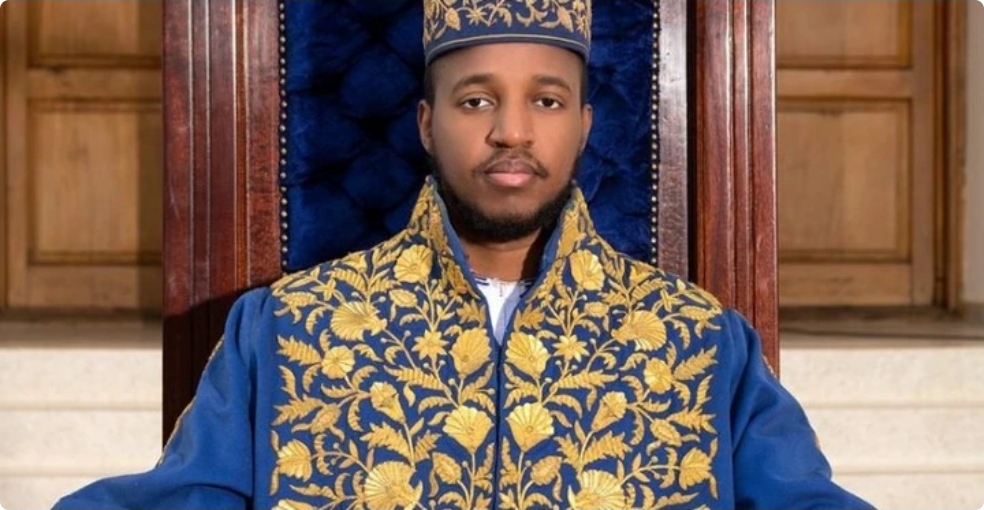 King Oyo’s Body to Arrive Thursday
Ultimate Uganda
King Oyo’s Body to Arrive Thursday
Ultimate Uganda
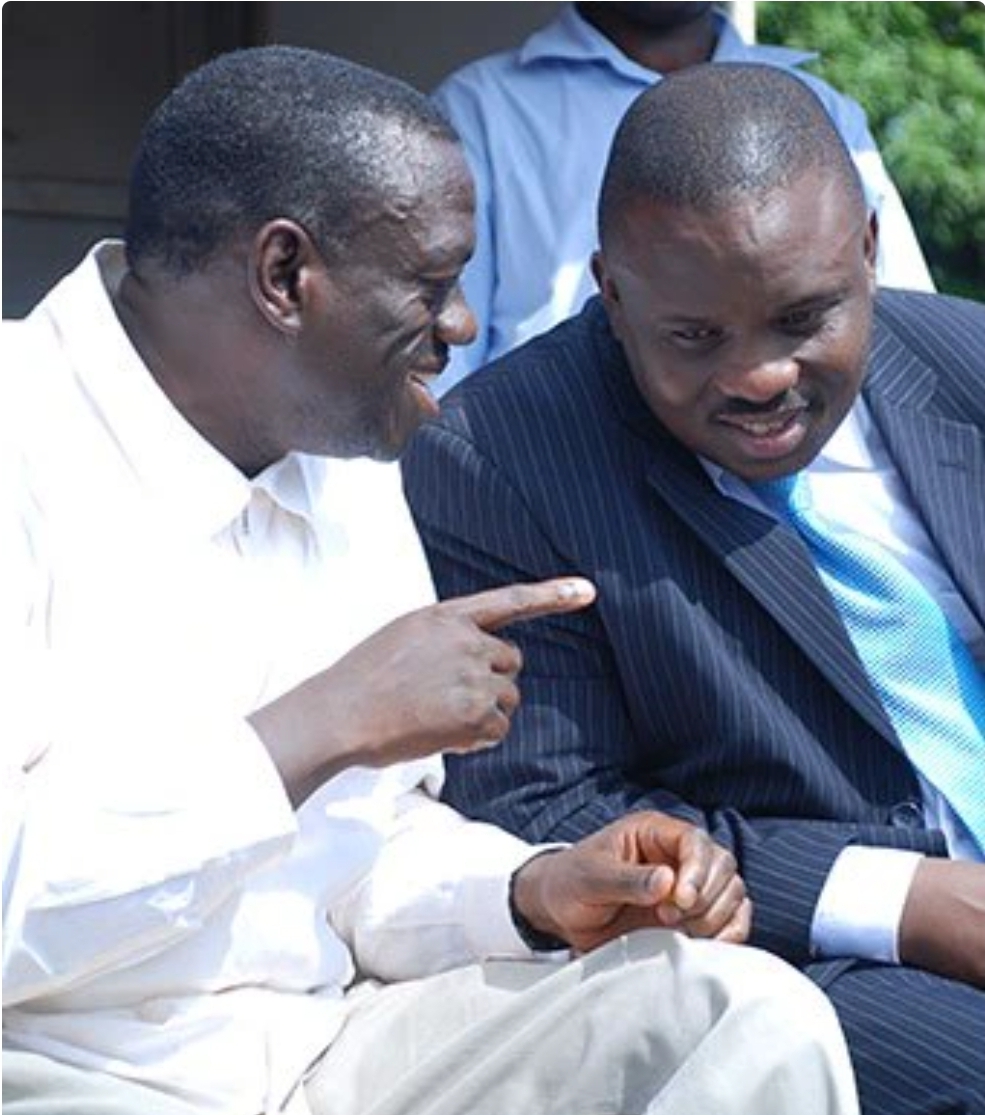 Besigye, Lukwago expected to meet Gen. Salim Saleh today at Kapeeke
Ultimate Uganda
Besigye, Lukwago expected to meet Gen. Salim Saleh today at Kapeeke
Ultimate Uganda
 Rwabwogo Advised to ‘Eat His Bishop’ As MK Prepares to Enter State H’se: PREZ MUSEVENI ON HIS WAY OUT
Ultimate Uganda
Rwabwogo Advised to ‘Eat His Bishop’ As MK Prepares to Enter State H’se: PREZ MUSEVENI ON HIS WAY OUT
Ultimate Uganda
0 Comments