
Museveni’s 7th Term swearing in: Why Ugandans should celebrate Grandfather’s victory
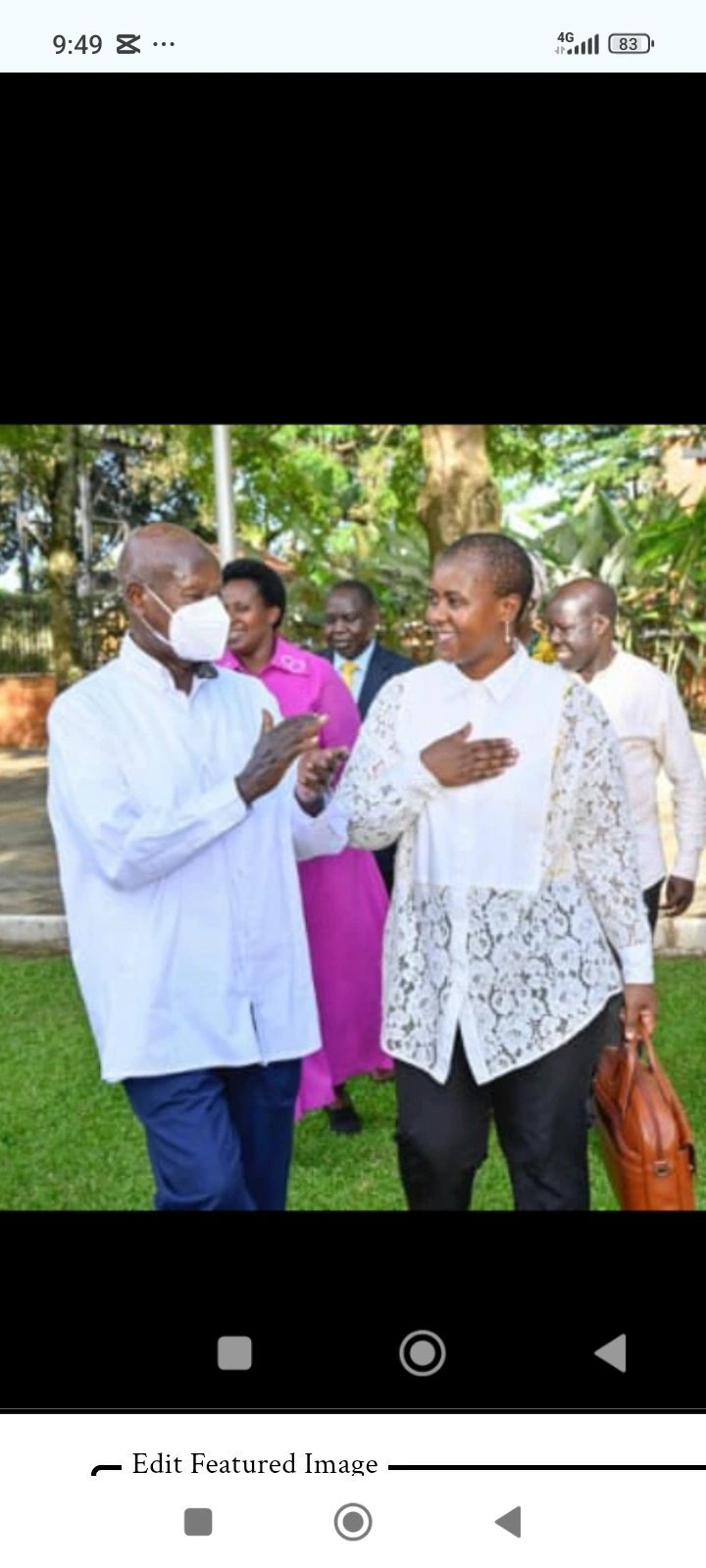

As Uganda steadily moves toward the 2026 president Museveni’s seventh term swearing in at Kololo Independent grounds on 12th May 2026 after 71.65 victory in general elections, political conversations across the country continue to intensify. Supporters, analysts, and critics alike are weighing the legacy of President Yoweri Kaguta Museveni, who has led the country since 1986 under the National Resistance Movement (NRM).
In what many describe as a “protecting the gains†political narrative, supporters argue that Uganda has registered significant progress in peace, stability, infrastructure, and economic transformation under his leadership, despite ongoing debates about governance, son Gen. Muhoozi Kainerugaba succession and democratic space
NRM MOMENTUM AND EARLY POLITICAL ALIGNMENTS
Across several regions, including Masaka City, the NRM political wave appears to remain active as early mobilization efforts intensify ahead of 2026. Party supporters and aspirants continue to rally behind the leadership structure, emphasizing continuity and stability.
Among the notable figures in Masaka City are Hon. Justine Nameere, Woman Member of Parliament, and Hon. Robert Assimwe, vying for Kimanya Kabonera Constituency. Their campaigns have been accompanied by growing grassroots engagement and visible political enthusiasm among sections of supporters.
Supporters argue that the NRM’s long presence in leadership has created a foundation of stability, even as opposition voices continue to push for political change.
MUSEVENI’S LEGACY: A MIXED BUT SIGNIFICANT DEBATE
The leadership of President Museveni has remained one of the most debated topics in Uganda’s political history. Supporters credit his administration for restoring peace after years of conflict, expanding infrastructure networks, and improving service delivery in sectors such as education and healthcare.
“I want to thank the people of Uganda for supporting Muzeeyi. Thank you for loving him and supporting the mighty NRM party,†said Ms Barbara Nekesa Oundo also the NRM party National treasurer.
She argue that Uganda’s transformation from the late 1980s to the present day reflects steady economic recovery and institutional rebuilding.
However, critics raise concerns about governance reforms, political competition, and the need for deeper democratic expansion. This dual perspective continues to shape national political discourse as the country heads toward a crucial election cycle.
OPPOSITION VOICES AND DEMOCRATIC DYNAMICS
Uganda’s political landscape has also been shaped by strong opposition movements, particularly the Forum for Democratic Change (FDC) and the National Unity Platform (NUP). Leaders such as Dr. Kizza Besigye and Robert Kyagulanyi Ssentamu (Bobi Wine) have remained influential voices in the push for political reform and accountability.
While their supporters argue that they represent alternative leadership visions, NRM supporters maintain that continuity under Museveni offers stability and gradual transformation.
This ongoing political competition continues to define Uganda’s democratic evolution, with each side presenting contrasting interpretations of national progress and governance.
THE EMERGENCE OF THE MUHOOZI DISCUSSION
In recent years, political discussions have increasingly included Lt. Gen. Muhoozi Kainerugaba, the First Son of President Museveni and current UPDF senior commander. His rising visibility in public life has sparked nationwide debate about future leadership possibilities within Uganda’s political framework.
The conversation around Muhoozi has often been referred to in public discourse as the “Muhoozi Project,†a term that has circulated widely in political commentary and social media spaces.
Supporters argue that Muhoozi represents a new generation of leadership with military discipline and organizational experience, while critics insist that leadership transitions should strictly follow competitive electoral processes.
MUSEVENI ON SUCCESSION AND CONSTITUTIONALITY
President Museveni has on several occasions emphasized that leadership succession is a constitutional matter determined by the will of the people through elections. He has consistently maintained that no individual is automatically positioned to succeed him, including family members.
This position has contributed to ongoing national debate, with analysts interpreting it as a reinforcement of Uganda’s constitutional framework, where leadership is decided through democratic processes.
VOICES FROM MASAKA: SUPPORTERS AND COMMUNITY PERSPECTIVES
In Masaka City, sections of NRM supporters continue to express confidence in the ruling party’s leadership structure. Rogers Bulegeya, an NRM youth leader in the area, notes that political stability and structured leadership remain key priorities for many supporters.
According to him, Uganda’s future leadership should build on existing foundations while strengthening youth participation in governance and development programs.
Other community voices emphasize that development projects, infrastructure growth, and social programs have contributed to improving livelihoods across the region.
ANALYST PERSPECTIVES AND POLITICAL BALANCE
Political analysts present mixed interpretations of the current political climate. Some argue that Muhoozi Kainerugaba’s growing public profile reflects natural generational transition discussions within long-serving political systems.
Others caution that political leadership requires broad-based grassroots engagement, institutional grounding, and national consensus beyond military or elite structures.
They further emphasize that Uganda’s democratic maturity depends on open participation, competitive elections, and inclusive political dialogue across all regions of the country.
THE QUESTION OF POLITICAL TRANSITION AND NATIONAL IDENTITY
The broader debate on leadership transition in Uganda has also attracted symbolic interpretations from commentators, with some drawing parallels between generational succession narratives and historical or religious leadership transitions.
However, political analysts caution against over-reliance on symbolic analogies, stressing that Uganda’s constitutional and democratic systems remain the guiding framework for leadership change.
They argue that the focus should remain on strengthening institutions, civic participation, and accountability rather than personality-centered political projections.
CONCLUSION: A NATION DEFINING ITS NEXT CHAPTER
As Uganda approaches the vision 2040 after general elections, the national conversation remains centered on leadership performance, continuity, reform, and democratic participation.
President Museveni’s long tenure continues to attract both support and criticism, reflecting the complexity of governing a diverse and evolving nation.
What remains clear is that Uganda’s political future will be shaped not only by historical legacy but also by the choices of its citizens at the ballot box.
In this evolving democratic journey, the balance between protecting national gains and embracing political renewal will remain a defining theme of the country’s next chapter.


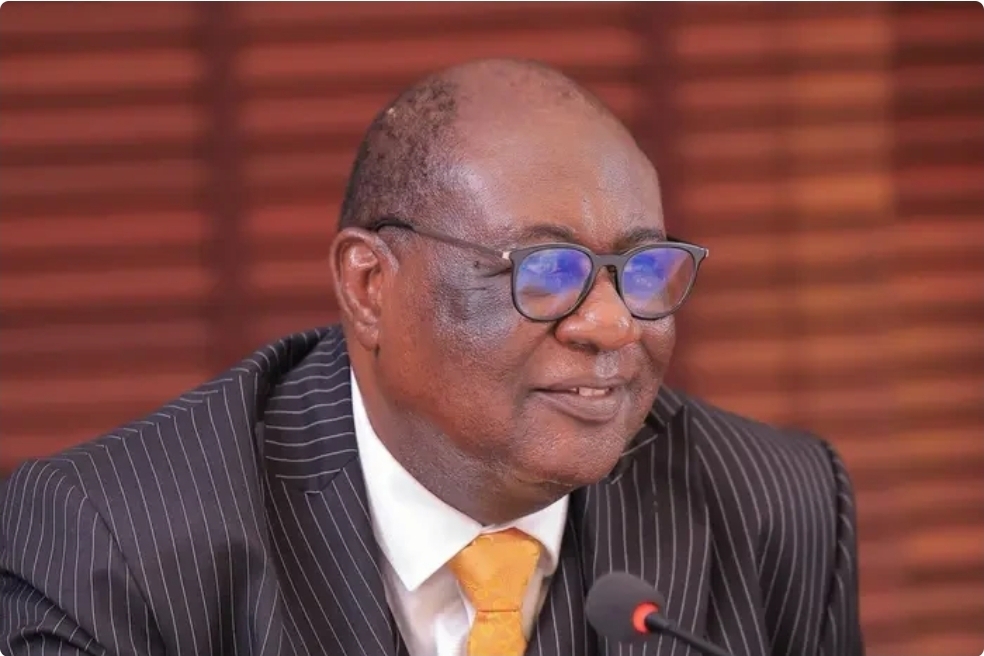 Government will not gazette Kijanangoma as King of Tooro for now - Attorney General insists
Ultimate Uganda
Government will not gazette Kijanangoma as King of Tooro for now - Attorney General insists
Ultimate Uganda
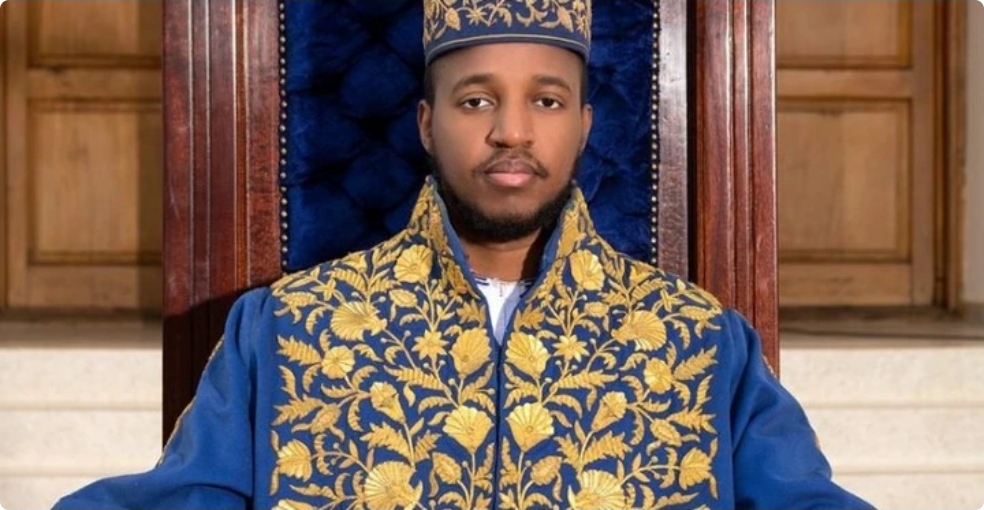 King Oyo’s Body to Arrive Thursday
Ultimate Uganda
King Oyo’s Body to Arrive Thursday
Ultimate Uganda
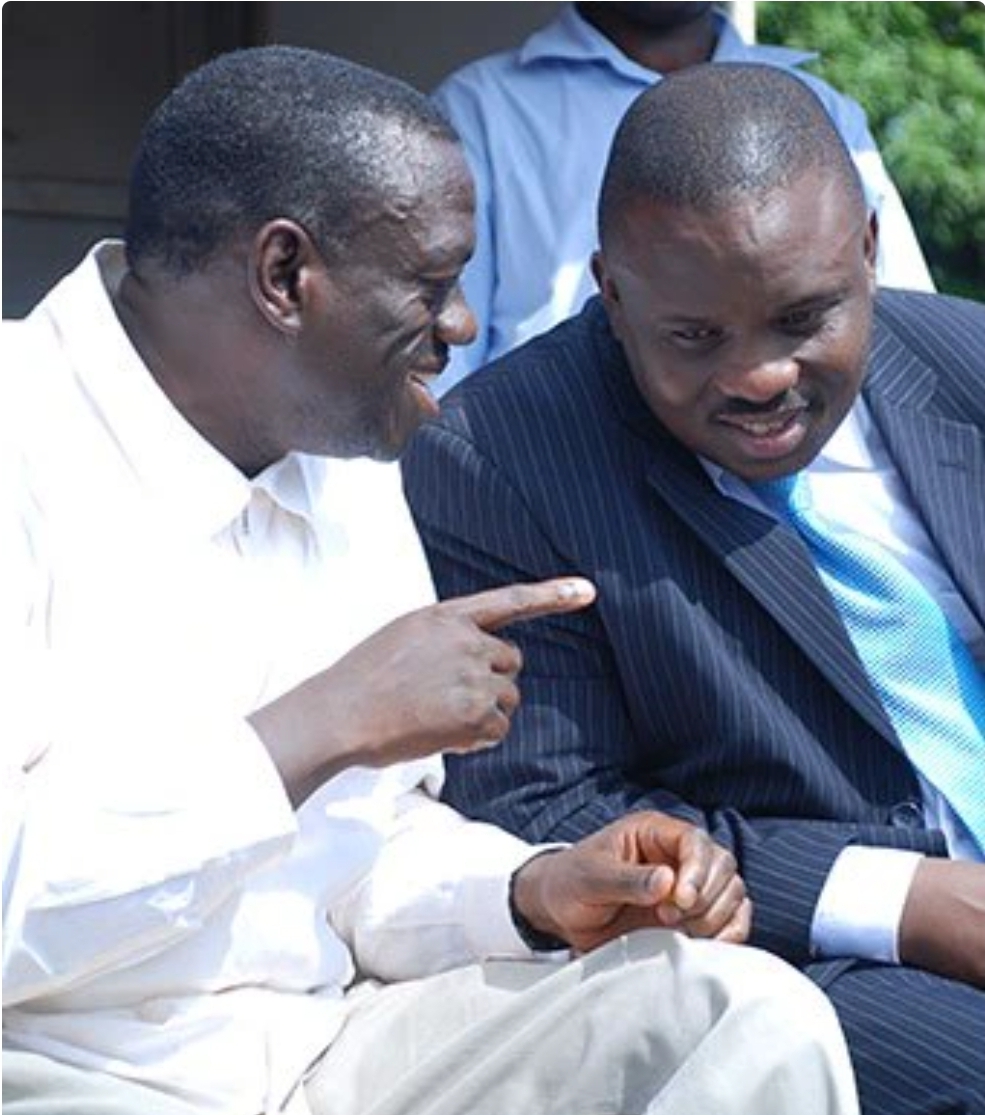 Besigye, Lukwago expected to meet Gen. Salim Saleh today at Kapeeke
Ultimate Uganda
Besigye, Lukwago expected to meet Gen. Salim Saleh today at Kapeeke
Ultimate Uganda
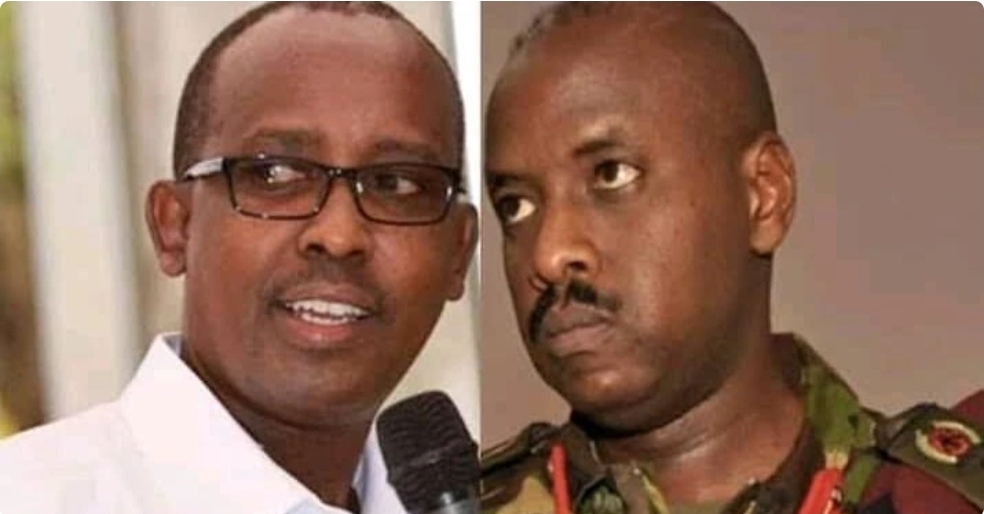 Rwabwogo Advised to ‘Eat His Bishop’ As MK Prepares to Enter State H’se: PREZ MUSEVENI ON HIS WAY OUT
Ultimate Uganda
Rwabwogo Advised to ‘Eat His Bishop’ As MK Prepares to Enter State H’se: PREZ MUSEVENI ON HIS WAY OUT
Ultimate Uganda
0 Comments