
Centenary Bank makes hushed leadership changes
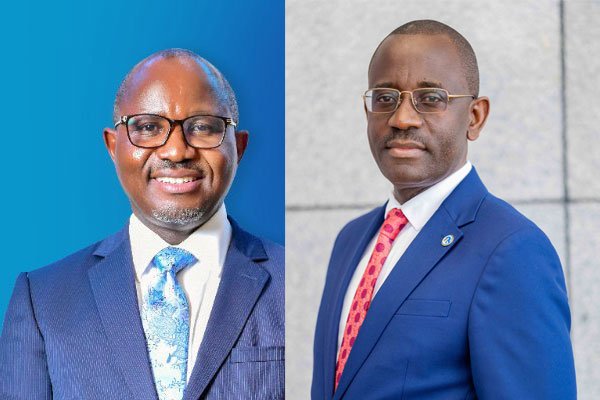

Centenary Bank has pulled off a quiet boardroom coup, lining up long-serving executive Godfrey Byekwaso to take over as Managing Director while Fabian Kasi, the face of the lender for over a decade, prepares to step up and steer the wider Centenary Group.
The planned handover, still unconfirmed by the bank, will put Byekwaso in charge of Uganda’s second-largest lender at a moment when balance sheets, regulation and regional ambition are colliding.
If confirmed, he will inherit Shs 8.6 trillion in assets, Shs 5.27 trillion in deposits and 3.4 million customers — plus a to-do list that runs from village SACCOs to cross-border fintech deals.
A senior Uganda Bankers Association official, who asked not to be named, said Kasi isretiring in two months, I think, and as such a transition.†The source referred this publication to the bank for confirmation.
When contacted about the reports of Kasi’s exit, an official within the bank's communications department said staff were still in the dark.
“I’ll advise you wait for official communication on that,†the official said.
Pressed further, the official added: “You will have to be patient. I’m also waiting until anything is officially communicated to us staff. Then that’s when anyone can strongly have a position. Other than that, I have no comment.â€
Efforts to reach Kasi were futile as his official telephone number went unanswered. The bank had not released a statement by press time Saturday.
Byekwaso’s expected elevation caps six weeks of executive re-engineering at the Catholic-founded bank. In April, the board created a second Executive Director post and named Michael Opira as Executive Director, Operations, splitting the C-suite for the first time. Board Chairman Gustavo Bwoch told staff in an April 9 memo the move would “reduce the span of work and strengthen executive oversight†and ensure “sustained focus, timely decision-making, and improved coordination of operations.â€
“The creation of two ED roles is Centenary reading the room,†one Kampala-based banking analyst said. “BoU’s new ESG and capital rules punish slow governance. Splitting business and operations gives the board real-time control over risk and tech spend.â€
The new organogram now has two Executive Directors under the Managing Director. Joseph Balikuddembe runs the business side, covering credit, branches, SME and agri-lending. Michael Opira handles operations, IT, digital channels and customer experience. Kasi’s anticipated shift to Group CEO formalises a holding company structure designed to spin off technology, insurance and regional banking ventures from the core Ugandan bank.
Centenary controls the country’s widest physical network with more than 70 branches and 192 ATMs. Its 3.4 million customers are mostly smallholder farmers, traders and SMEs that bigger banks long ignored. That base has pushed assets to Shs 8.6 trillion and deposits to Shs 5.27 trillion, second only to Stanbic Bank Uganda.
“Centenary’s advantage is distribution, not just size,†one independent financial sector consultant said. “No other bank can reach a maize farmer in Gulu and a boda rider in Kampala on the same day. That footprint is expensive, so the test for Byekwaso will be sweating those 192 ATMs and 70 branches for digital returns.â€
The model is rural-heavy and high-volume, which makes Centenary a natural fit for Bank of Uganda’s new Environmental, Social and Governance rules. While rivals scramble to prove “social†impact, Centenary’s book already includes microcredit for market vendors, solar loans for off-grid homes, and school fees products. Strong profitability has given it room to meet BoU’s tougher capital and governance thresholds without fresh shareholder cash.
Three forces explain the April-May reset. Regulation is first. BoU’s ESG framework and capital rules demand sharper risk governance, and two Executive Directors give the board tighter oversight of credit and tech. Second is digital pressure. With mobile money and fintechs eating transaction fees, Opira’s brief is to accelerate CenteMobile, agent banking and digital lending before margins erode. Third is the regional play. Kasi’s Group CEO role signals Centenary wants to export its inclusion model. A holding company can raise capital, buy fintechs, and enter South Sudan, DR Congo or Tanzania without weighing down the Ugandan bank’s balance sheet.
“Kasi moving to Group CEO is the clearest sign yet that Centenary wants to be a regional inclusion champion, not just a Ugandan bank,†one Kampala-based banking analyst said. “The Group structure lets them chase tech and insurance acquisitions while the bank stays compliant at home.â€
For customers, little changes near term. Deposits are safe, branches stay open, and ownership by Catholic dioceses and the Uganda Episcopal Conference is unchanged. Medium term, expect faster loan decisions and more phone-based products as Opira merges ops and IT. Byekwaso, a CPA who rose through finance and risk, is viewed as a continuity pick who won’t break the bank’s social contract but will face pressure to lift efficiency and returns on the Shs 8.6 trillion balance sheet.
For the sector, Centenary’s transition is a bellwether. It shows a mission-led, rural-heavy lender can scale, stay profitable, and meet global governance standards. With Kasi’s reported exit due in about two months and no official word yet, the market awaits a handover date and Byekwaso’s strategy for the next phase.


 Starlink goes live in Uganda; price comparisons against MTN, Airtel
Ultimate Uganda
Starlink goes live in Uganda; price comparisons against MTN, Airtel
Ultimate Uganda
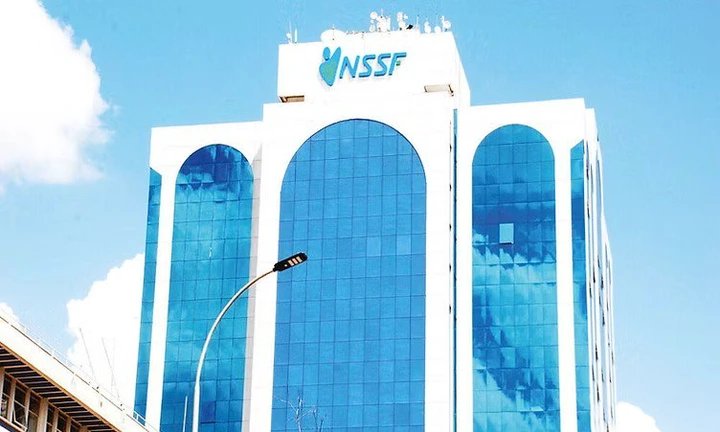 NSSF sets September 24 for Annual Members Meeting as savers await interest rate declaration
Ultimate Uganda
NSSF sets September 24 for Annual Members Meeting as savers await interest rate declaration
Ultimate Uganda
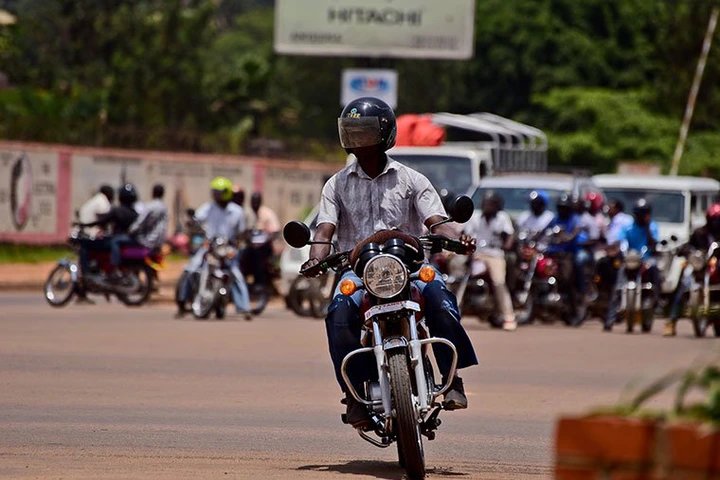 Boda boda riders launch e-commerce, digital loans platform
Ultimate Uganda
Boda boda riders launch e-commerce, digital loans platform
Ultimate Uganda
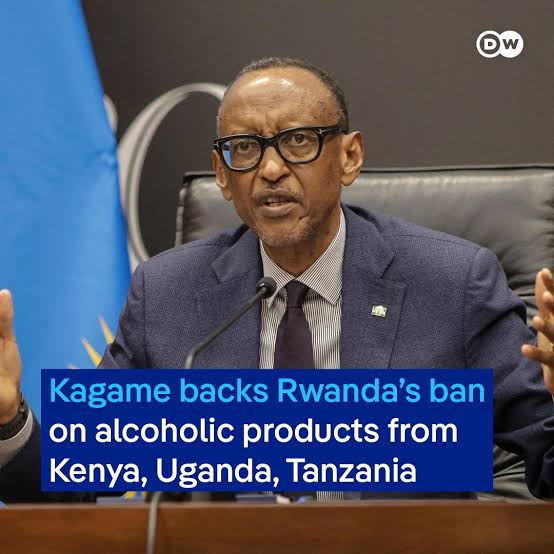 Rwanda: We Cannot Sit and Watch As Illicit Alcohol Kills People - Kagame
Ultimate Uganda
Rwanda: We Cannot Sit and Watch As Illicit Alcohol Kills People - Kagame
Ultimate Uganda
0 Comments