
Why Museveni always swears in on May 12
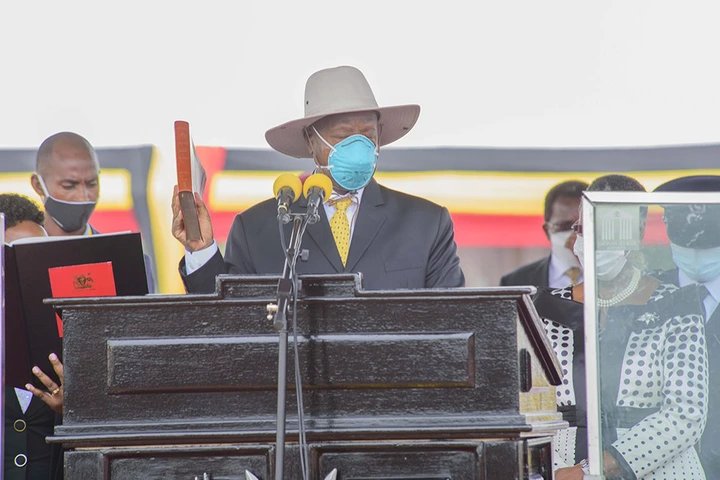

For many Ugandans, May 12 has become synonymous with the beginning of a new Museveni term in office. But beyond the ceremonial routines at Kololo Ceremonial Grounds lies a deeper political and historical symbolism rooted in Uganda’s turbulent past.
The date traces back to May 12, 1980, when then-President Godfrey Binaisa was removed from office by the Military Commission of the Uganda National Liberation Front (UNLF) after attempting to dismiss Army Chief of Staff Brig. David Oyite-Ojok.
The Military Commission, led by Paulo Muwanga with Museveni serving as deputy, took control of government and placed Binaisa under house arrest, effectively ending his 11-month presidency.
That political turning point would later shape the course of Uganda’s modern history.
The overthrow of Binaisa ushered Uganda into a tense transition period that culminated in the disputed December 1980 General Election, after which Museveni launched the armed struggle that eventually brought the National Resistance Movement (NRM) to power in January 1986.
Within NRM political folklore, May 12 is therefore viewed as one of the defining moments that exposed the military’s influence over Uganda’s politics and indirectly set the stage for the Bush War that birthed the current government.
Political analysts argue that Museveni’s continued preference for May 12 reflects his strong appreciation of symbolism, historical continuity and political messaging.
The President has over the years demonstrated a deliberate attachment to historical dates and symbolism tied to Uganda’s liberation struggle and the NRM’s rise to power.
One of the clearest examples came in January 1986 when Kampala reportedly fell to the National Resistance Army (NRA) on January 25, but the official declaration of victory was deliberately delayed until January 26 to avoid sharing the same date with the 1971 coup that brought Idi Amin to power.
Psychology, Symbolism and Political Messaging
Some political observers believe Museveni’s attachment to May 12 could also stem from the psychological importance of historical memory.
Experts in political psychology note that leaders often use symbolic dates to reinforce narratives of legitimacy, continuity and historical destiny. Theories around “episodic memory†and “political projection†suggest that formative political events can shape how leaders interpret future threats and opportunities.
In Museveni’s case, analysts argue that May 12 may symbolize both the fragility of political power and the revolutionary origins of the NRM government.
The symbolism becomes even more significant considering Museveni himself participated in the political transition that removed Binaisa from office.
Some critics have argued that the events of May 12, 1980 demonstrated how force could determine political power in Uganda, a reality that would later define much of the country’s political trajectory.
The recurring use of May 12 has occasionally fueled speculation about superstition or spiritual symbolism surrounding the President’s swearing-in date.
Comparisons are often drawn with former US President Ronald Reagan, whose schedules were reportedly influenced by astrology through First Lady Nancy Reagan after the 1981 assassination attempt.
However, there is no public evidence suggesting Museveni’s preference for May 12 is linked to astrology or spiritual beliefs. Instead, historians and political commentators largely interpret it as a calculated historical and political choice.
Museveni’s Deep Interest in History
Museveni has long projected himself as a student of history, often referencing historical figures, liberation movements and revolutionary thinkers in speeches and writings.
In the 2025 book Slow Poison: Idi Amin, Yoweri Museveni, and the Making of the Ugandan State by Mahmood Mamdani, the President is described as someone deeply conscious of historical symbolism and legacy.
Political analysts say this explains why dates associated with Uganda’s liberation history continue to play a central role in NRM political culture.
As Uganda heads toward another swearing-in ceremony on May 12, the date remains more than just a constitutional calendar event for Museveni and his supporters.
For the NRM establishment, it represents the beginning of a political journey that reshaped Uganda’s modern history. For critics, it is a reminder of the country’s long and complicated relationship with power, military influence and political continuity.
Either way, May 12 has become permanently etched into Uganda’s political memory.


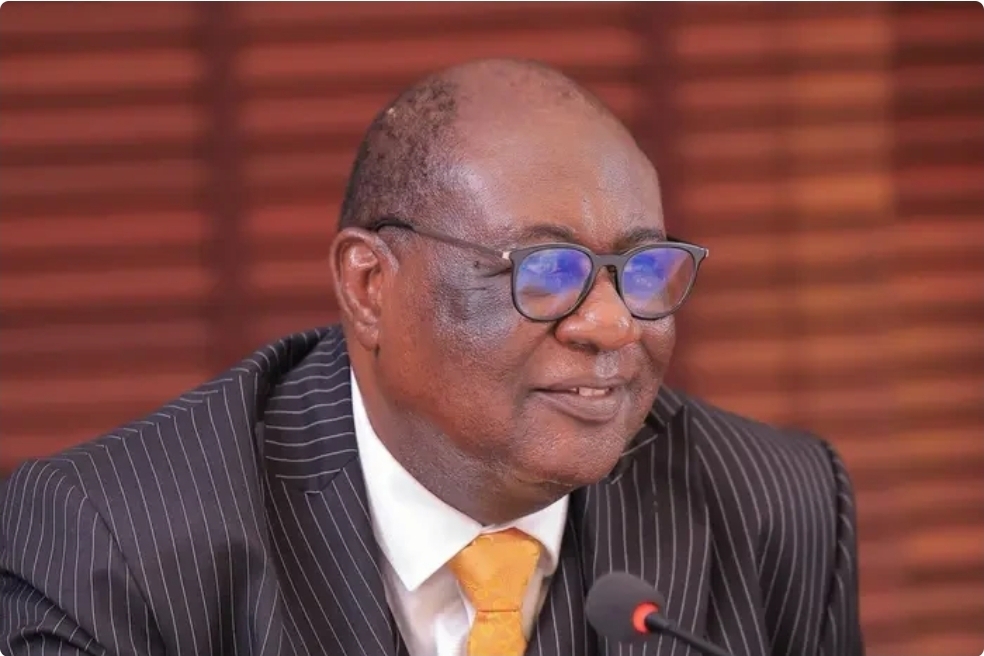 Government will not gazette Kijanangoma as King of Tooro for now - Attorney General insists
Ultimate Uganda
Government will not gazette Kijanangoma as King of Tooro for now - Attorney General insists
Ultimate Uganda
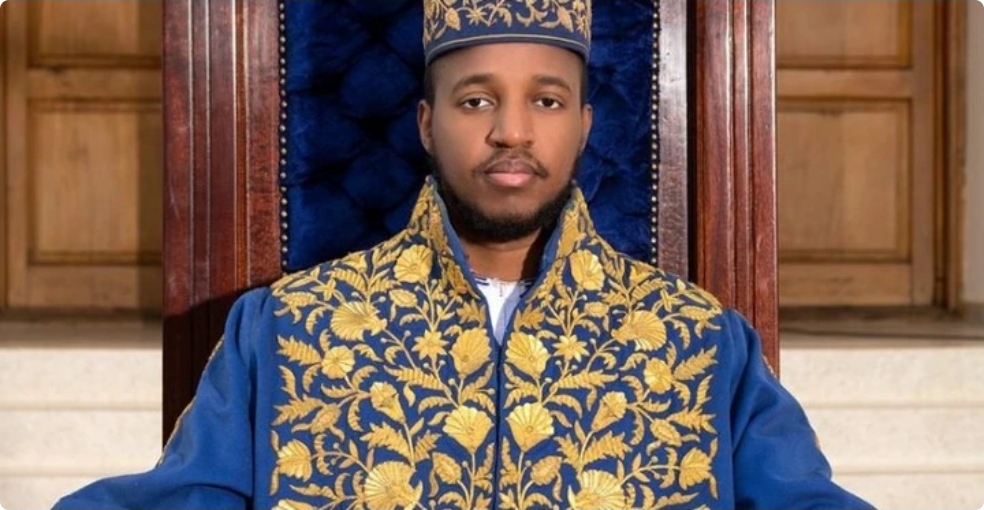 King Oyo’s Body to Arrive Thursday
Ultimate Uganda
King Oyo’s Body to Arrive Thursday
Ultimate Uganda
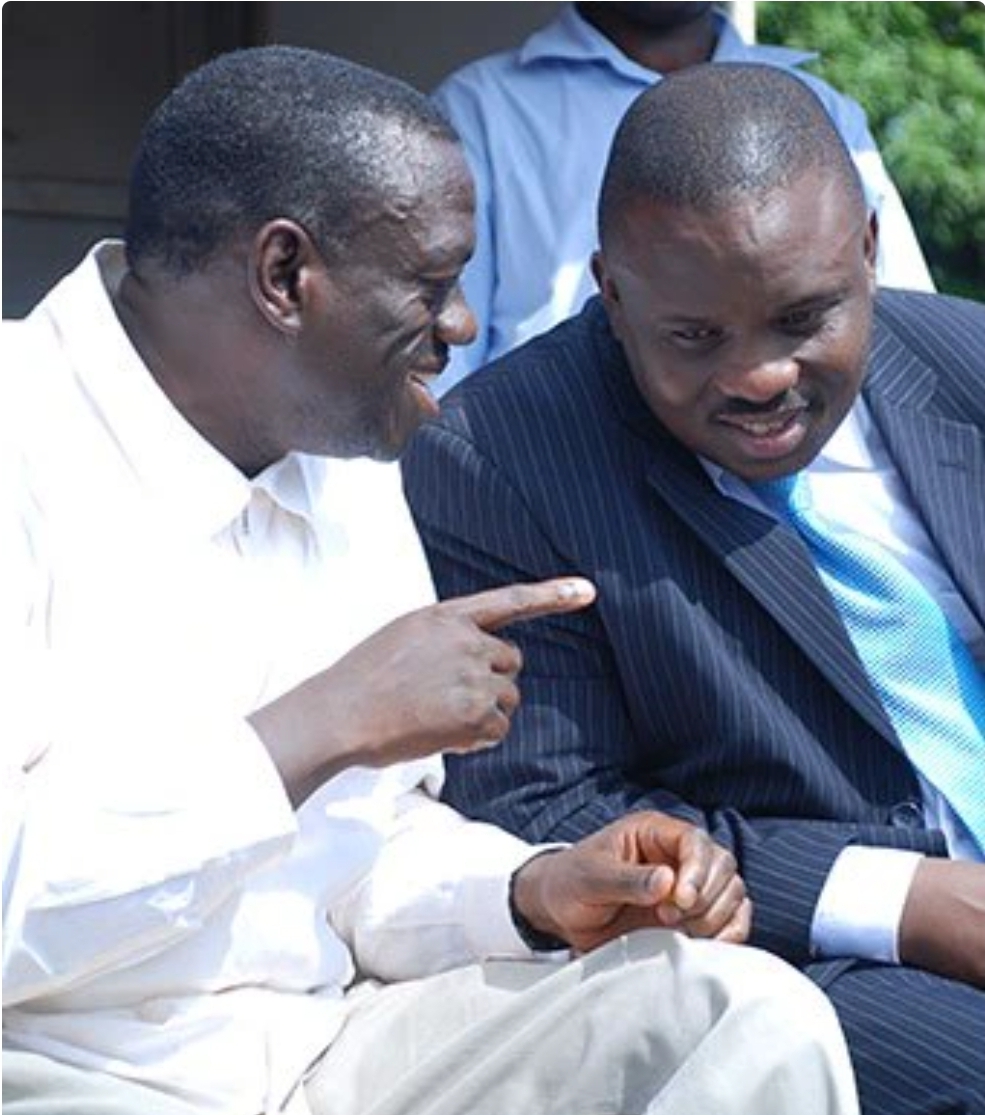 Besigye, Lukwago expected to meet Gen. Salim Saleh today at Kapeeke
Ultimate Uganda
Besigye, Lukwago expected to meet Gen. Salim Saleh today at Kapeeke
Ultimate Uganda
 Rwabwogo Advised to ‘Eat His Bishop’ As MK Prepares to Enter State H’se: PREZ MUSEVENI ON HIS WAY OUT
Ultimate Uganda
Rwabwogo Advised to ‘Eat His Bishop’ As MK Prepares to Enter State H’se: PREZ MUSEVENI ON HIS WAY OUT
Ultimate Uganda
0 Comments