
Entebbe traders decry 'selective' evictions under trade order
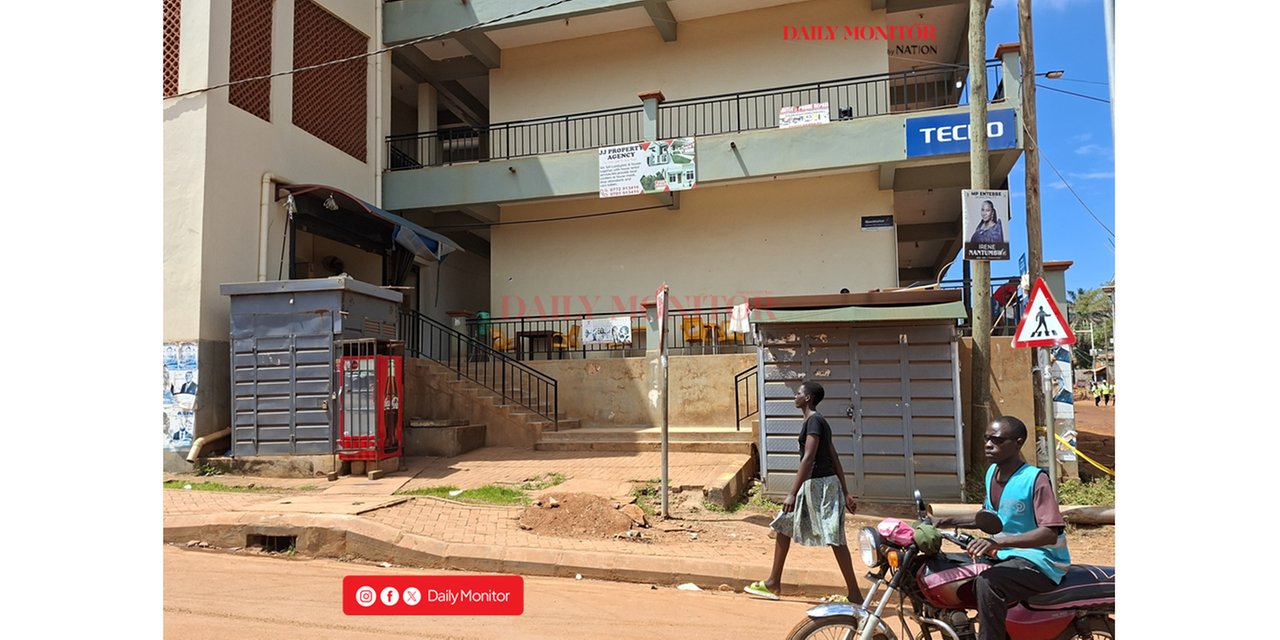

Traders in Entebbe Municipality say the ongoing enforcement of the Ministry of Local Government’s trade order has left them evicted without warning, relocation plans, or enough space in the new market areas.
The municipal authorities began enforcing the order in different divisions, but several traders allege the exercise was selective. Some kiosks deemed illegal were left untouched, while others were demolished without notice.
In Division B, saloon owner Geoffrey Kawuki said about 150 people were affected in the Kitooro area. “They gave us six days to vacate our areas of operation, but we didn’t hear any announcements,†Kawuki said. “They say there was a man moving around announcing on a megaphone, but we mainly got to know when they began breaking our kiosks. That’s when everybody began questioning what was happening. It was then that they told us of the trade order.â€
Kawuki said some traders lost property during the eviction because they had nowhere to go, and enforcement teams allegedly destroyed stalls. “Municipal officials declined to destroy the makeshift containers erected in the walkways and around the new Kitooro Taxi Park for reasons we don’t know. They are still operational, yet some of us are no longer in business since our premises were destroyed,†he said.
In Division A, metal fabricator Francis Kalyango said officials demolished his workshop behind Central Market, a site he said he had reclaimed from an ungazetted dumping area. “I pay taxes and have all the required licenses to operate from here, but they came and destroyed everything I owned in just minutes,†Kalyango said. “The government initiative would have been a good idea, but we are not in a road reserve nor in the market.â€
Kalyango alleged the land had been contested for four years after a businessman reportedly bought it from the division council. “Some of our colleagues left, and they are now using this chance to steal this land and hand it over to the businessman,†he said. Daily Monitor could not independently verify the claim.
He also accused local leaders of abandoning traders. “We no longer have leaders in Entebbe, what we have are dealers and land grabbers, who are seeking out every piece of government land to sell off,†Kalyango said.
At Anderitah Beach Lane, fish monger Gladys Ayirota said members of the Manyago Fish Vendors Association were ordered to move to Central Market, but found little room. “The central market has few stalls for traders, it’s dirty, and doesn’t have parking space,†Ayirota said.
Last year, Local Government Minister Raphael Magyezi gave Entebbe councillors one week to surrender lock-up shops in the Shs 10 billion Kitooro Taxi Park that they had allegedly allocated to themselves.
Efforts to reach Entebbe Municipal Town Clerk Emmanuel Mugisha for comment were unsuccessful. His phone went unanswered.
Resident District Commissioner Frank Kyazze urged traders to support the order for smoother business operations. “We want people to do business in an orderly way. Those who say they were not given alternative places, we were not prepared for this, should move on and start a new life,†Kyazze said.
He warned against using the enforcement to settle land disputes. “I have raised this issue with the concerned people. I talked to the town clerk, and we agreed that people should not use this exercise of the trade order to sort out their long-standing land ownership wrangles. We are going to carry out an audit over that, and anybody found doing that, we shall take him on,†he said.
On March 10, 2026, the Ministry of Local Government directed chief administrative officers and town clerks to restore trade order. The directives include relocating traders to formal markets, removing campaign posters, enforcing food handling standards, improving waste management and street lighting, regulating public transport, and tightening building and planning laws.
While authorities say the move is meant to improve order and safety, affected traders complain of high-handed enforcement, vandalized kiosks, looted property, low customer turnout in formal markets, poor working conditions, and reduced earnings.


 Starlink goes live in Uganda; price comparisons against MTN, Airtel
Ultimate Uganda
Starlink goes live in Uganda; price comparisons against MTN, Airtel
Ultimate Uganda
 NSSF sets September 24 for Annual Members Meeting as savers await interest rate declaration
Ultimate Uganda
NSSF sets September 24 for Annual Members Meeting as savers await interest rate declaration
Ultimate Uganda
 Boda boda riders launch e-commerce, digital loans platform
Ultimate Uganda
Boda boda riders launch e-commerce, digital loans platform
Ultimate Uganda
 Rwanda: We Cannot Sit and Watch As Illicit Alcohol Kills People - Kagame
Ultimate Uganda
Rwanda: We Cannot Sit and Watch As Illicit Alcohol Kills People - Kagame
Ultimate Uganda
0 Comments