
From Prado to Boda Boda: The Untold Story of Government Suppliers

For many businesses in Uganda, securing a government contract feels like hitting the jackpot. The moment word spreads that someone has landed a deal, everything changes. Friends become more attentive, relatives resurface, banks suddenly extend courtesy, and suppliers are willing to offer goods on credit. In many circles, it is seen as a transition from survival-level hustle to serious enterprise.
And to be fair, this perception is not entirely misplaced. The Government of Uganda remains the largest spender in the economy, with a national budget exceeding UGX 72 trillion. A significant share of this money flows into the private sector through contractors, suppliers, consultants, transporters, and service providers. Entire industries depend on this expenditure. It is therefore no surprise that entrepreneurs aggressively pursue government tenders, often viewing them as the gateway to financial breakthrough.
But behind the promise of these contracts lies a quiet crisis—one that has financially crippled many businesses.
A recent conversation with a supplier revealed the harsh reality. What began as a promising contract in 2023 turned into a nightmare. Like many entrepreneurs, he mobilized resources, hired subcontractors, borrowed heavily, and successfully delivered on the project. The work was completed, reports submitted, and approvals signed. Yet payment never came.
Life, however, did not wait. Workers demanded salaries. Subcontractors needed to be paid. Banks continued to charge interest. Penalties accumulated. Slowly, everything he had built began to disappear—vehicles repossessed, property lost, peace of mind shattered. The contract that once symbolized success ultimately pushed him deeper into financial ruin.
The emotional toll was equally devastating. This was a man who once owned two cars, now forced to rely on boda bodas. A man who previously handled millions but could not raise UGX 50,000 for his child’s medication. Financial pressure began to manifest in frustration, anxiety, and silent despair. These are the unseen consequences—beyond balance sheets—that many suppliers endure.
The strain often spills into personal lives. Marriages weaken under financial stress. Conversations change. Patience erodes. Silence becomes more frequent. Behind many delayed payments are families quietly struggling to stay together.
Across the country, similar stories echo among contractors. Some completed projects years ago and are still waiting for payment. Others borrowed at high monthly interest rates—between 5% and 10%—expecting quick settlement, only to face delays stretching into years. By the time payment arrives, if it does at all, the business has already collapsed under the weight of debt.
This uncertainty has made many financial institutions hesitant to finance government suppliers. The phrase “confirmed government contract†no longer guarantees confidence. Increasingly, suppliers joke that such contracts look profitable on paper but are dangerously unpredictable in practice.
Part of the problem lies in the mismatch between spending urgency and payment timelines. Government institutions often rush to utilize budgets within specific quarters to avoid reductions in future allocations. Procurement processes accelerate toward the end of these periods. However, this urgency rarely extends to settling payments.
In some cases, suppliers also face additional pressure in the form of informal expectations—requests for “something small†to expedite payments. Yet by this stage, many are already financially stretched. The ripple effects of delayed payments extend far beyond individual businesses, affecting employees, families, lenders, and entire value chains.
The key lesson emerging from these experiences is sobering: a big contract does not always mean a good contract. Profitability on paper means little if cash flow is uncertain. Businesses do not collapse because they lack profits—they collapse because they run out of cash.
To survive, suppliers must adopt a more cautious approach. Overexposure to a single contract can be fatal. Borrowing heavily against uncertain payment timelines is risky. Where possible, negotiating phased or milestone payments can provide the liquidity needed to stay afloat. Even partial payments can mean the difference between survival and collapse.
Perhaps the most painful truth is that many of these businesses do not fail due to incompetence. They fail because they underestimate the gap between delivering work and actually getting paid.
In the end, the real victory is not just winning the contract—it is surviving it.


 Government will not gazette Kijanangoma as King of Tooro for now - Attorney General insists
Ultimate Uganda
Government will not gazette Kijanangoma as King of Tooro for now - Attorney General insists
Ultimate Uganda
 King Oyo’s Body to Arrive Thursday
Ultimate Uganda
King Oyo’s Body to Arrive Thursday
Ultimate Uganda
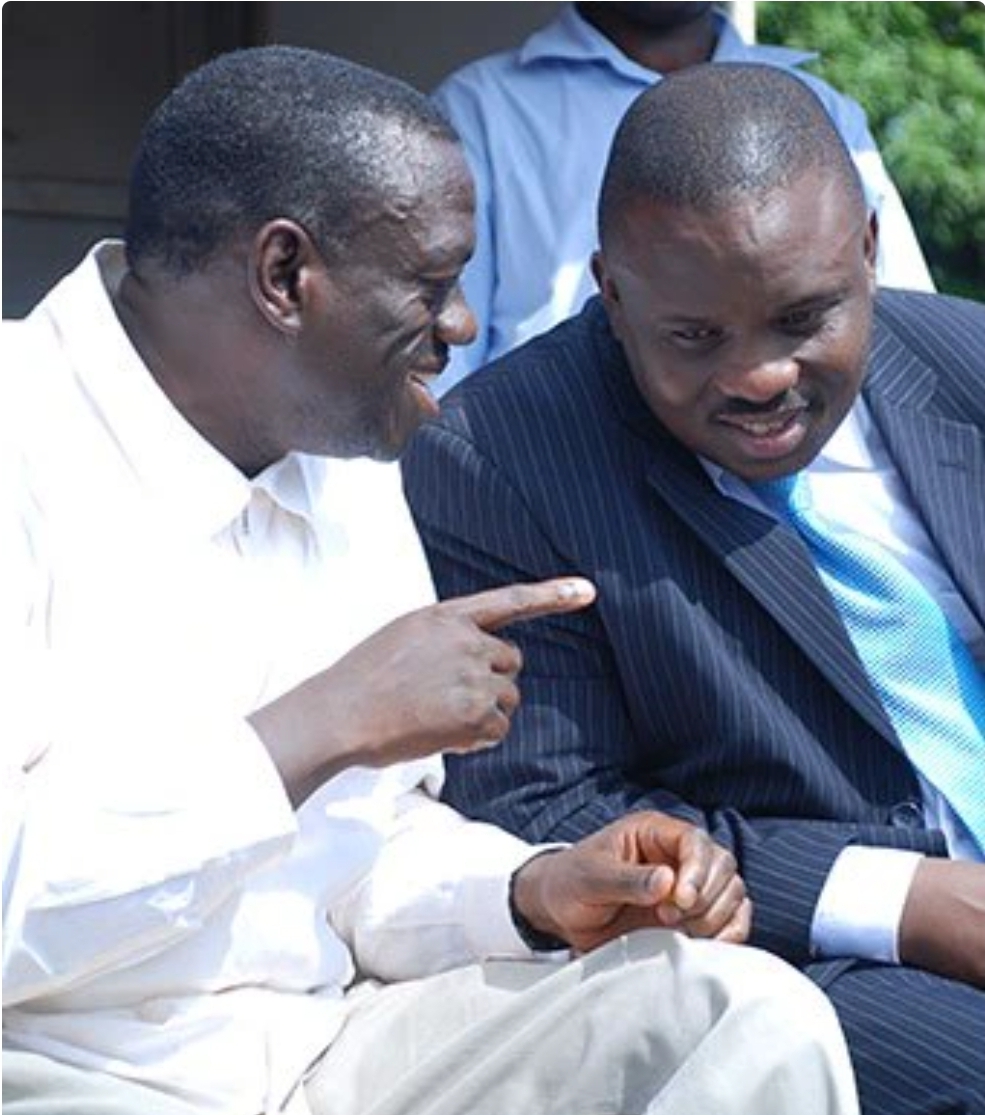 Besigye, Lukwago expected to meet Gen. Salim Saleh today at Kapeeke
Ultimate Uganda
Besigye, Lukwago expected to meet Gen. Salim Saleh today at Kapeeke
Ultimate Uganda
 Rwabwogo Advised to ‘Eat His Bishop’ As MK Prepares to Enter State H’se: PREZ MUSEVENI ON HIS WAY OUT
Ultimate Uganda
Rwabwogo Advised to ‘Eat His Bishop’ As MK Prepares to Enter State H’se: PREZ MUSEVENI ON HIS WAY OUT
Ultimate Uganda
0 Comments