
Top lawyers defend Dr. Muganga’s appointment as Minister

Prof. Lawrence Muganga, Transformative Educationist and Vice Chancellor, Victoria University
KAMPALA — A prominent Ugandan legal scholar has strongly defended the appointment of Dr. Lawrence Muganga as Minister of State for Internal Affairs, asserting thats he legally qualifies to hold the position.
In a detailed legal opinion released on May 29, 2026, advocate Ssemambo Rashid argued that Uganda’s Constitution grants dual citizens full rights and obligations equivalent to those of other citizens, except where explicitly restricted.
The appointment has ignited debate after critics claimed that the Uganda Citizenship and Immigration Control (Amendment) Act, 2009, bars dual nationals from certain high-level public offices, including ministerial positions.
Ssemambo, however, maintained that the Constitution — which formally introduced dual citizenship under Article 15 — supersedes any conflicting statutory provisions. He emphasized that dual citizens who swear allegiance to Uganda enjoy the same constitutional protections and duties as single citizens.
“Dual citizenship, once acquired under the Constitution, cannot be watered down by ordinary legislation,†Ssemambo stated in his opinion.
He pointed out that the Constitution restricts only the presidency to citizens by birth (Article 102), while Article 80 opens parliamentary seats to any Ugandan citizen. Since ministers are appointed either from sitting Members of Parliament or individuals qualified to be MPs, dual citizens remain eligible, he argued.
Drawing on the doctrines of constitutional supremacy and harmonious interpretation, Ssemambo contended that any provisions in the Citizenship and Immigration Act purporting to limit dual citizens’ eligibility for ministerial roles are inconsistent with the Constitution and therefore void.
“Parliament and state institutions have a duty to uphold the Constitution and disregard any subordinate legislation that contradicts it,†he said.
The scholar’s intervention comes amid growing public scrutiny of Dr. Muganga’s appointment and broader questions about the rights of Uganda’s dual citizens in public service.
In a separate commentary, Ssemambo also raised concerns about the unregulated influence of social media platforms such as TikTok, warning that unchecked digital content could undermine societal development and urging African nations to exercise greater oversight over information flows to their citizens.
The controversy is expected to fuel further legal and political discussion in the coming weeks as observers examine the interplay between Uganda’s citizenship laws and its supreme Constitution.


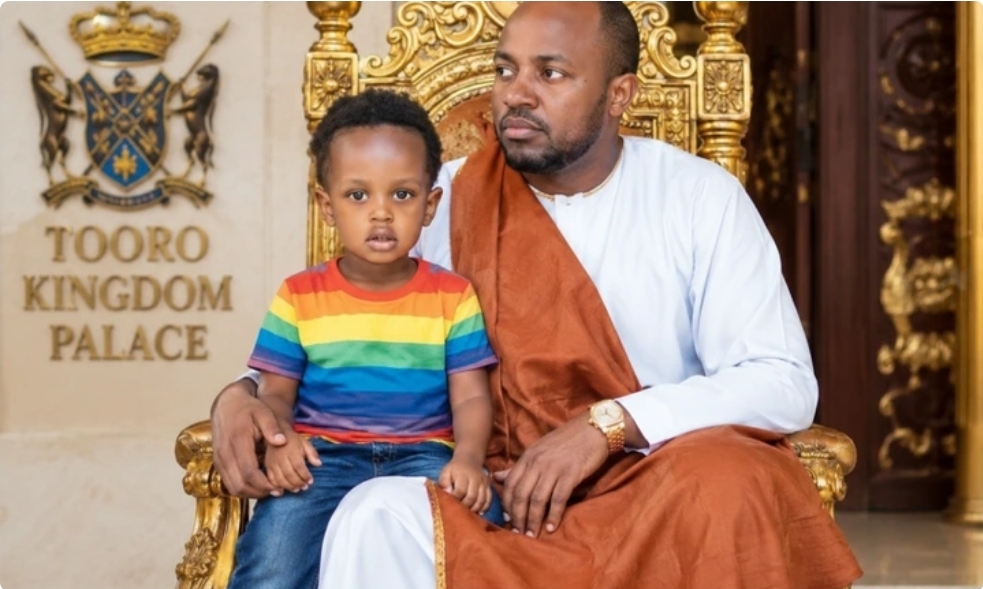 The women who have been in King Oyo’s life
Ultimate Uganda
The women who have been in King Oyo’s life
Ultimate Uganda
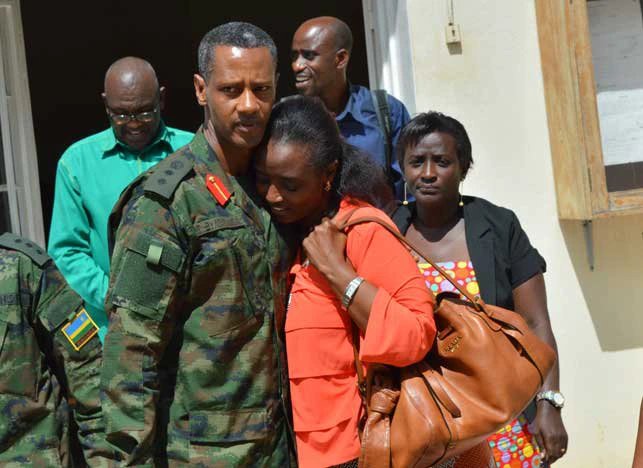 Ex Kagame Guard Commander Tom Byabagamba Dies in Rwandan Prison After 12 Years
Ultimate Uganda
Ex Kagame Guard Commander Tom Byabagamba Dies in Rwandan Prison After 12 Years
Ultimate Uganda
 Government begins salary payments for public sector workers – Reform Committee
Ultimate Uganda
Government begins salary payments for public sector workers – Reform Committee
Ultimate Uganda
 Temangalo land: NSSF, Nzenyi reach agreement
Ultimate Uganda
Temangalo land: NSSF, Nzenyi reach agreement
Ultimate Uganda
0 Comments