
Why President Museveni’s New Cabinet Must Prioritise a Vocational Institute in Rural Masaka to Unlock Youth Employment
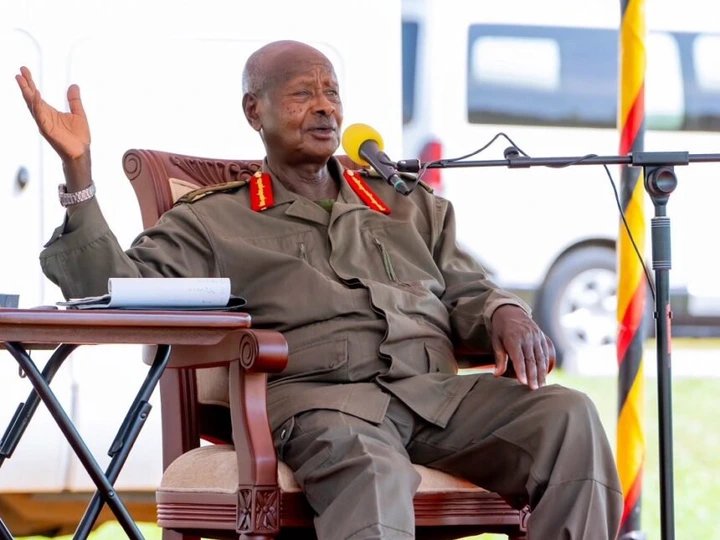

His Excellency the President of the Republic of Uganda, Yoweri Kaguta Museveni,
I write this open letter at a defining moment in Uganda’s governance journey, following the recent Cabinet reshuffle and swearing-in of ministers. This renewed administrative phase presents an opportunity to redirect national attention toward practical, high-impact development interventions that can directly transform rural livelihoods—particularly among the youth.
Among the most urgent of these interventions is the establishment of a vocational and technical institute in Rural Masaka District.
This is not a ceremonial request. It is an evidence-based development proposal grounded in demographic realities, labour market trends, and Uganda’s industrialisation agenda.
RURAL MASAKA: RICH IN RESOURCES, STRUGGLING WITH UNEMPLOYMENT
Rural Masaka District is one of Uganda’s most naturally endowed regions, with fertile soils, favourable climate conditions, water access, and significant agricultural potential. Yet despite these advantages, the region continues to face structural unemployment, especially among young people aged 18 to 30 years.
Most of these youth are absorbed into informal and low-income activities such as boda boda riding, subsistence farming, bricklaying, and petty trade. These livelihoods, while essential for survival, do not provide long-term economic stability or upward mobility.
According to district-level demographic patterns, Masaka hosts a population of over 297,000 people, with youth forming a significant proportion. Household dependence on subsistence agriculture remains high, estimated at over 65%, indicating limited economic diversification and industrial engagement.
This imbalance between potential and productivity is precisely where vocational education becomes essential.
THE CASE FOR VOCATIONAL EDUCATION IN UGANDA’S ECONOMIC TRANSITION
Uganda’s labour market is undergoing rapid transformation. Employers in construction, manufacturing, ICT, mechanics, and agro-processing increasingly prioritise technical skills over academic qualifications alone.
However, many rural youth leave school without employable skills, creating a structural gap in the labour market.
A vocational institute in Rural Masaka would directly address this gap by equipping young people with:
Practical technical and mechanical skills
Agro-processing and value addition skills
ICT and digital literacy competencies
Construction and engineering training
Entrepreneurship and business development skills
This aligns strongly with national development programmes such as Operation Wealth Creation, Parish Development Model (PDM), Emyooga, and youth livelihood initiatives under the government of Uganda led by Yoweri Kaguta Museveni.
STRATEGIC LAND AND INVESTMENT READINESS
One of the strongest arguments in favour of this project is the availability of land in Rural Masaka District.
The region possesses large underutilised and community-supported land areas suitable for public infrastructure development. This makes it a cost-effective and strategically viable location for a government vocational institute.
Additionally, the district’s proximity to agricultural production zones creates an ideal environment for practical training integrated with real production systems such as demonstration farms, agro-processing units, and industrial workshops.
SUPPORT FROM REGIONAL LEADERSHIP
The proposal has also gained momentum from key regional voices, including former Vice President Edward Kiwanuka Ssekandi, who has consistently advocated for the transformation of Greater Masaka through industrialisation and skills development.
He has emphasised that vocational education is critical for reducing poverty and improving youth productivity.
Local development advocates and community mobilisers have also echoed the need for technical institutions to bridge the gap between education and employment.
This growing consensus strengthens the urgency of government intervention.
ECONOMIC IMPACT: A LONG-TERM NATIONAL INVESTMENT
A vocational institute is not a recurrent expenditure—it is a strategic investment in human capital.
Its establishment would generate long-term benefits including:
Increased youth employment and productivity
Expansion of small and medium enterprises
Attraction of industrial investors to the region
Reduction in rural-urban migration
Strengthening of the local tax base
Improved agricultural and industrial output
These outcomes directly support Uganda’s Vision 2040 and industrialisation agenda.
DEMOGRAPHIC PRESSURE AND SOCIAL REALITY
Masaka’s population structure reflects a youthful demographic with limited access to technical training. A significant proportion of households depend on subsistence farming, while many others rely on informal labour.
Without intervention, this demographic pressure risks perpetuating cycles of poverty and unemployment.
Vocational education provides a practical pathway out of this cycle.
CONCLUSION: A STRATEGIC MOMENT FOR TRANSFORMATION
Your Excellency, the current Cabinet reshuffle marks a renewed opportunity to prioritise development projects that directly impact citizens’ livelihoods.
The establishment of a vocational and technical institute in Rural Masaka District would stand as a transformative national investment—bridging the gap between education and employment, and turning a youthful population into a skilled workforce.
This initiative would not only uplift Rural Masaka but also strengthen Uganda’s broader industrialisation and poverty eradication agenda.
I therefore respectfully urge government under your leadership to prioritise the immediate planning and implementation of this vocational institute as a flagship development project in this new term.
Submitted by:
Brian Mugenyi
Investigative Journalist & Development Writer
Add in, now that First Lady Janet Kataha Museveni is the Minister of Education and sports, I appeal to you to align measures to address the challenge and I would love to be invited at state house one day to deliver my insights and research gathered. I want to thank your son Oscar Mutebi also a private secretary and Vice president Edward Kiwanuka Ssekandi emeritus Personal secretary who has showed great efforts of ensuring the area gets Vocal institute
AWARD-WINNING OPEN LETTER: Why President Museveni’s New Cabinet Must Prioritise a Vocational Institute in Rural Masaka to Unlock Youth Employment and Industrial Growth
By Brian Mugenyi
His Excellency the President of the Republic of Uganda, Yoweri Kaguta Museveni,
I write this open letter at a defining moment in Uganda’s governance journey, following the recent Cabinet reshuffle and swearing-in of ministers. This renewed administrative phase presents a strategic opportunity to redirect national attention toward practical, high-impact development interventions capable of transforming rural livelihoods, particularly for the youth.
Among the most urgent of these interventions is the establishment of a vocational and technical institute in Rural Masaka District.
This appeal is grounded not in emotion alone, but in evidence-based development reasoning shaped by demographic pressure, labour market realities, and Uganda’s long-term industrialisation agenda.
RURAL MASAKA: A REGION OF POTENTIAL STRUGGLING WITH JOBLESSNESS
Rural Masaka District remains one of Uganda’s most naturally endowed regions, with fertile soils, favourable climate conditions, water resources, and high agricultural potential. Yet despite these advantages, the region continues to experience structural unemployment, especially among young people aged 18 to 30 years.
Most youth are absorbed into informal survival activities such as boda boda riding, subsistence farming, bricklaying, and petty trade—activities that offer short-term income but no long-term economic security or skills progression.
With a population exceeding 297,000 people, and youth forming a significant demographic share, Masaka reflects a broader national challenge: a youthful population growing faster than the availability of skilled employment opportunities.
VOCATIONAL EDUCATION AS THE MISSING LINK IN UGANDA’S DEVELOPMENT MODEL
Uganda’s labour market is increasingly skills-driven. Employers in construction, manufacturing, ICT, mechanics, and agro-processing now prioritise technical competence over academic certificates alone.
However, many rural youth leave school without practical skills, creating a dangerous gap between education output and labour market demand.
A vocational institute in Rural Masaka would directly address this gap by equipping young people with:
Technical and mechanical skills
Agro-processing and value addition expertise
Construction and engineering training
ICT and digital literacy
Entrepreneurship and business development skills
This intervention strongly complements national development programmes such as Operation Wealth Creation, Parish Development Model (PDM), Emyooga, and youth livelihood initiatives under your government.
ALIGNMENT WITH MINISTRY OF EDUCATION PRIORITIES
Now that the Ministry of Education and Sports is under the leadership of First Lady Janet Kataaha Museveni, I respectfully appeal for strategic alignment of this proposal within the ministry’s education transformation agenda.
Vocational education is not an alternative to formal education—it is a critical pillar of national development.
I therefore appeal for coordinated action between the Ministry of Education and the Ministry of Local Government to prioritise this intervention as part of Uganda’s broader human capital development strategy.
STRATEGIC LAND AND DEVELOPMENT READINESS
Rural Masaka District has sufficient underutilised land suitable for large-scale public infrastructure development.
This makes the project not only feasible but cost-efficient for government implementation.
The district also offers strong agricultural activity zones that can support practical learning environments such as demonstration farms, agro-processing units, and technical training workshops.
SUPPORT FROM REGIONAL LEADERSHIP
This initiative has also benefited from the advocacy of former Vice President Edward Kiwanuka Ssekandi, who has consistently emphasised the need for Greater Masaka’s industrial transformation through skills development.
I also take this opportunity to appreciate the efforts of Mr. Oscar Mutebi, who has demonstrated commitment in mobilising and supporting the idea of establishing a vocational institute for the region, alongside other local development actors working quietly to ensure this vision is realised.
Their collective effort reflects growing consensus at local level that vocational education is the most practical solution to youth unemployment in the region.
ECONOMIC IMPACT: A LONG-TERM NATIONAL INVESTMENT
A vocational institute is not a cost—it is a national investment in productivity.
Its expected benefits include:
Reduction in youth unemployment
Expansion of small and medium enterprises
Attraction of industrial investors to Greater Masaka
Reduction in rural-urban migration
Increased local revenue generation
Improved agricultural and industrial output
These outcomes directly contribute to Uganda’s Vision 2040 and industrialisation agenda.
PERSONAL APPEAL AND ENGAGEMENT
Your Excellency, I respectfully express my desire to one day be invited to State House to present further insights and research I have gathered on rural development, youth employment, and vocational education.
This would not be for personal recognition, but to contribute constructively to national development discourse based on field observations and documented evidence.
CONCLUSION: A STRATEGIC MOMENT FOR ACTION
The current Cabinet reshuffle presents a renewed opportunity for government to prioritise transformative rural development projects.
A vocational and technical institute in Rural Masaka District would serve as a flagship intervention—bridging the gap between education and employment, while turning a youthful population into a productive national workforce.
I therefore respectfully urge your government under your leadership to prioritise the planning and implementation of this institute as a matter of national urgency.


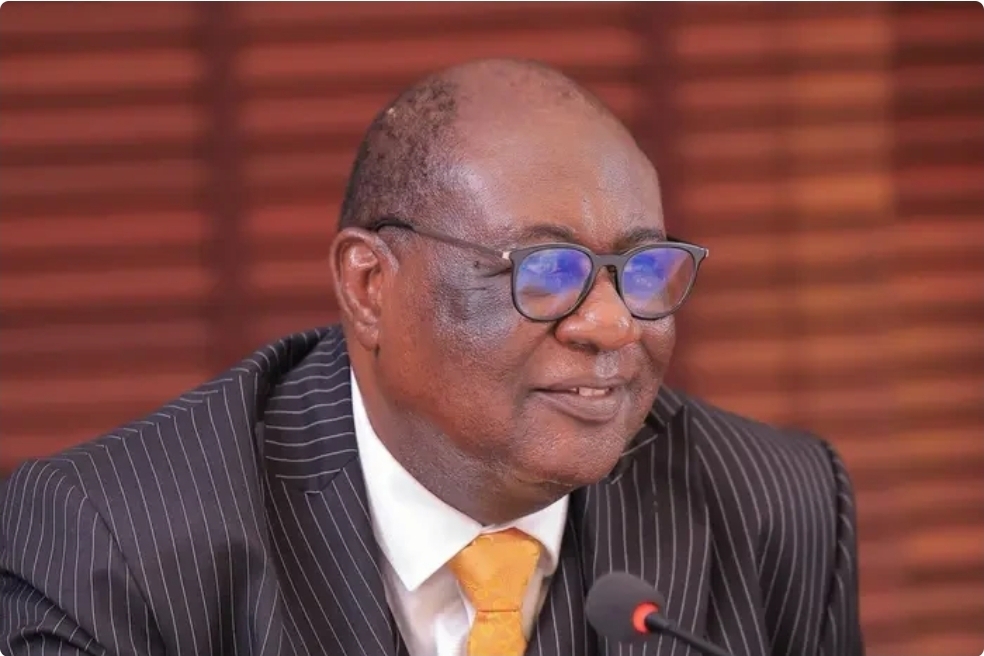 Government will not gazette Kijanangoma as King of Tooro for now - Attorney General insists
Ultimate Uganda
Government will not gazette Kijanangoma as King of Tooro for now - Attorney General insists
Ultimate Uganda
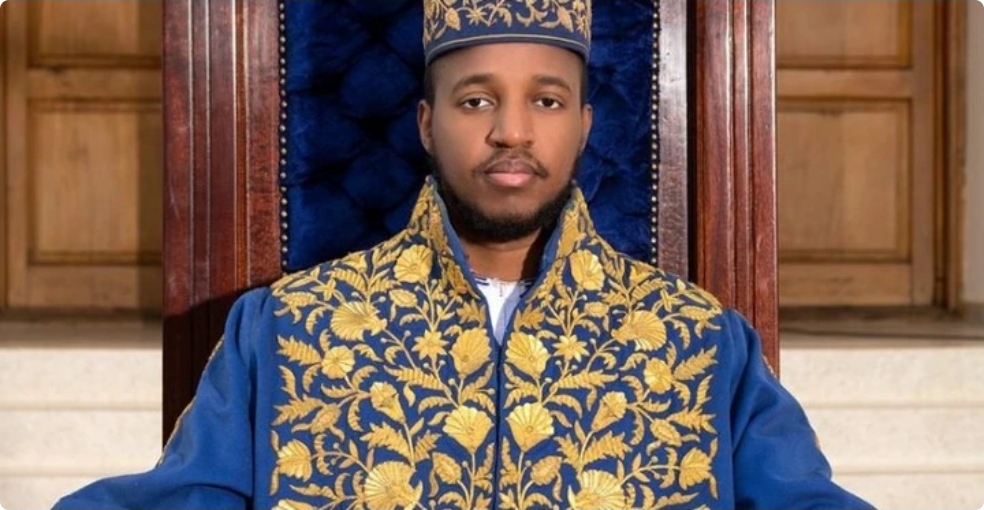 King Oyo’s Body to Arrive Thursday
Ultimate Uganda
King Oyo’s Body to Arrive Thursday
Ultimate Uganda
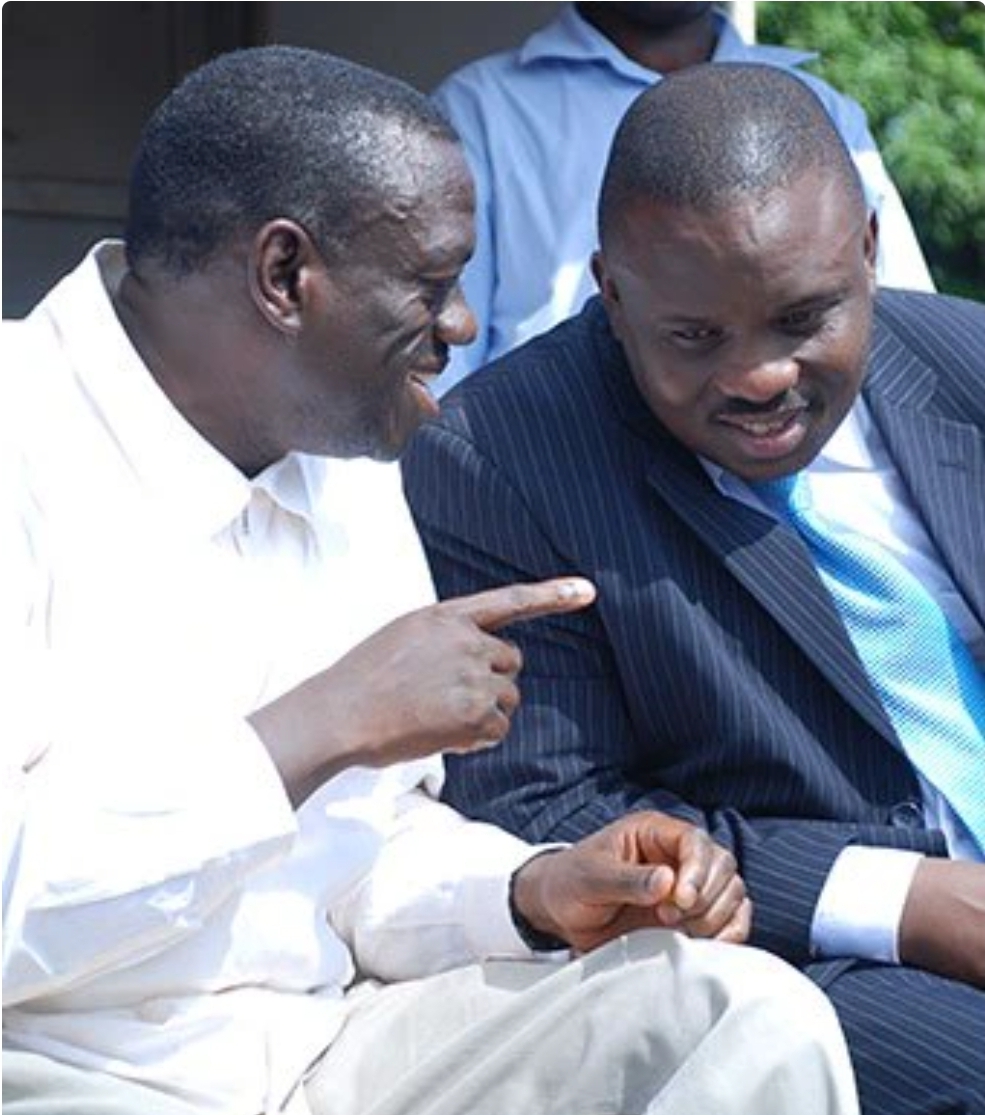 Besigye, Lukwago expected to meet Gen. Salim Saleh today at Kapeeke
Ultimate Uganda
Besigye, Lukwago expected to meet Gen. Salim Saleh today at Kapeeke
Ultimate Uganda
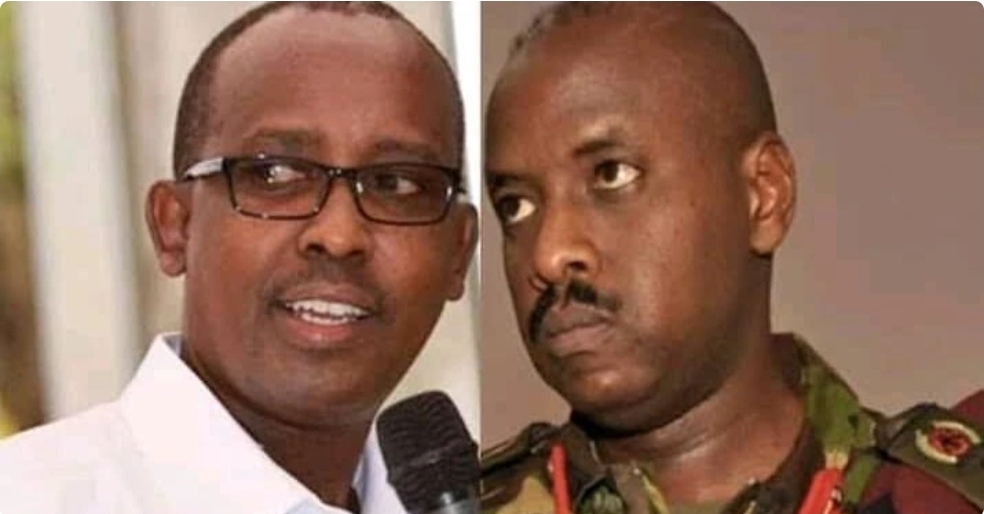 Rwabwogo Advised to ‘Eat His Bishop’ As MK Prepares to Enter State H’se: PREZ MUSEVENI ON HIS WAY OUT
Ultimate Uganda
Rwabwogo Advised to ‘Eat His Bishop’ As MK Prepares to Enter State H’se: PREZ MUSEVENI ON HIS WAY OUT
Ultimate Uganda
0 Comments