
Justice Mugenyi Flags Gaps in Push for Paperless Courts
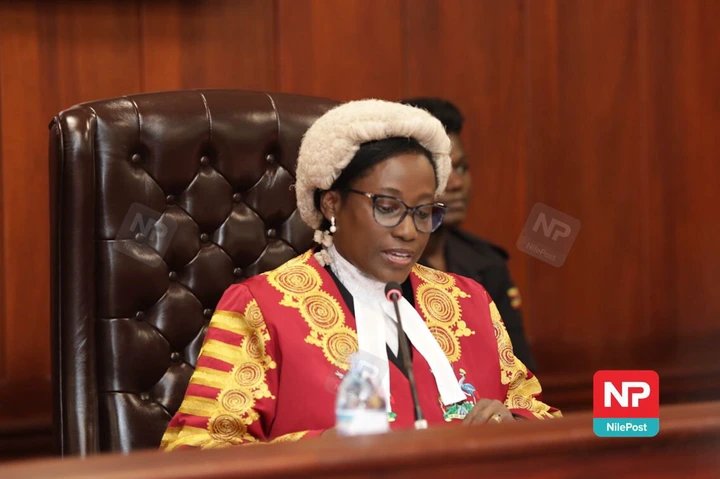

Supreme Court Justice Monica Mugenyi has cautioned that Uganda’s shift toward a paperless Judiciary remains premature, citing technological limitations, access barriers and human-capacity gaps within the Electronic Court Case Management Information System (ECCMIS), despite ongoing digital reforms.
Supreme Court Justice Monica Mugenyi has raised concerns over Uganda’s preparedness to fully transition into a paperless Judiciary, warning that significant technological, institutional and human-capacity gaps remain despite ongoing reforms under the Electronic Court Case Management Information System (ECCMIS).
Speaking during the Virtual ECCMIS Symposium on Uganda’s readiness for paperless courts, Justice Mugenyi acknowledged ECCMIS as a major milestonein modernising court operations but stressed that substantial improvements are still needed before it can fully support a paperless justice system.
She cited practical challenges experienced within the system, including difficulties accessing court records.
“I was told, ‘No, you cannot access it unless you come to court with your own laptop, log into ECCMIS, and then search for the proof of service yourself,’†she recounted, noting that such limitations undermine efficiency for both judicial officers and litigants.
Justice Mugenyi urged stakeholders to treat such feedback constructively, calling for review and system improvements.
“We must receive this feedback in good faith. We must sit back, return to the drawing board, and carefully consider how this information can help us improve the efficiency and functionality of ECCMIS itself,†she said.
She emphasized that a truly paperless court system must be anchored on reliable, user-friendly digital platforms for filing, service and case management.
She also questioned whether ECCMIS currently serves ordinary Ugandans, particularly those in rural areas with limited access to technology.
“Access to justice is not merely about constructing more court buildings,†she observed, adding, “To what extent can an ordinary citizen — a Namukasa living in a remote village far away from Kampala — meaningfully utilize the systems provided by ECCMIS to file pleadings, follow up cases, or access judicial services? That, in my view, is the real test of access to justice.â€
While commending the Judiciary’s ongoing digital transformation efforts, Justice Mugenyi cautioned that Uganda still has a long way to go before achieving fully functional paperless courts, citing gaps in staff preparedness and the need for continuous training.
She, however, warned against abandoning the reform process, urging a balanced approach.
“Let us not throw the baby out with the bathwater,†she said, emphasizing that the transition must be gradual, deliberate and inclusive toward a fully digital Judiciary.


 Government will not gazette Kijanangoma as King of Tooro for now - Attorney General insists
Ultimate Uganda
Government will not gazette Kijanangoma as King of Tooro for now - Attorney General insists
Ultimate Uganda
 King Oyo’s Body to Arrive Thursday
Ultimate Uganda
King Oyo’s Body to Arrive Thursday
Ultimate Uganda
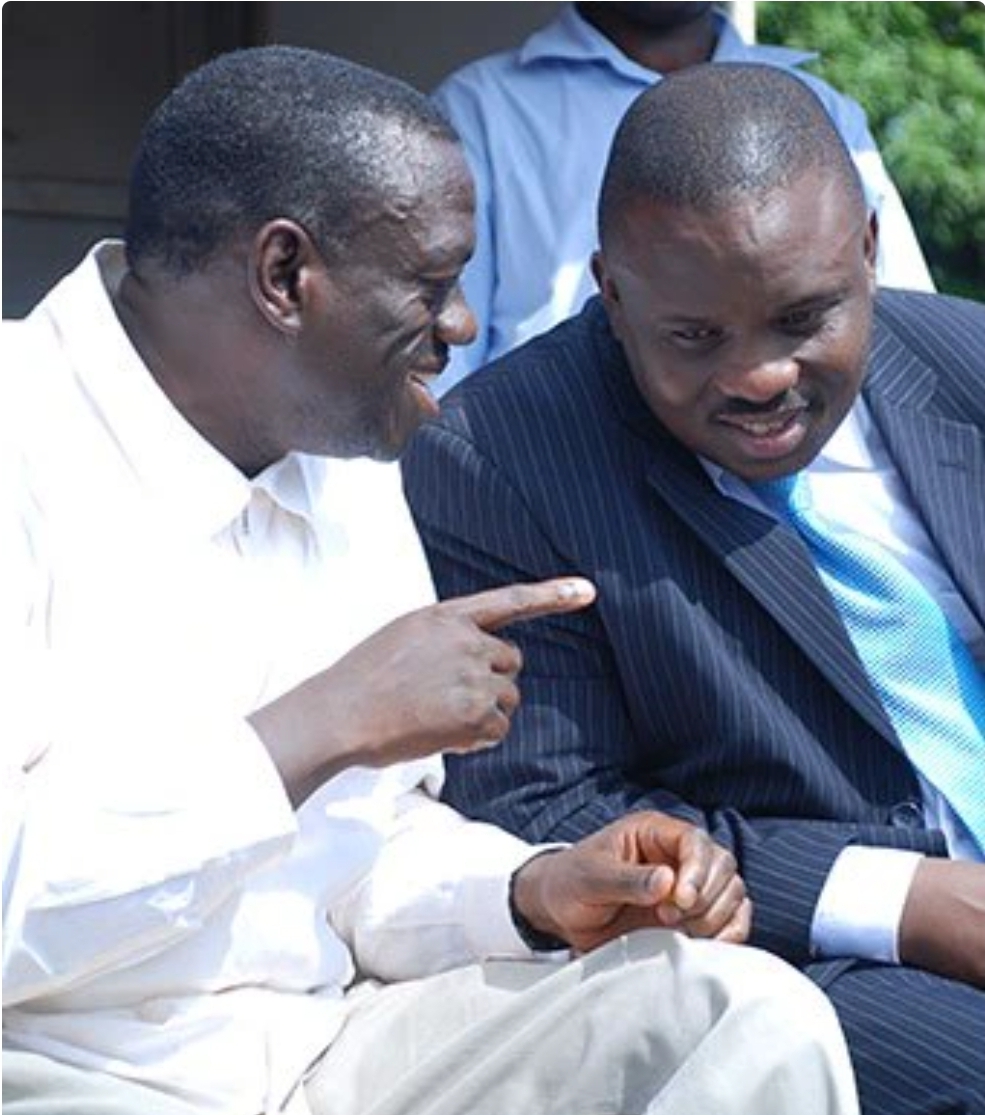 Besigye, Lukwago expected to meet Gen. Salim Saleh today at Kapeeke
Ultimate Uganda
Besigye, Lukwago expected to meet Gen. Salim Saleh today at Kapeeke
Ultimate Uganda
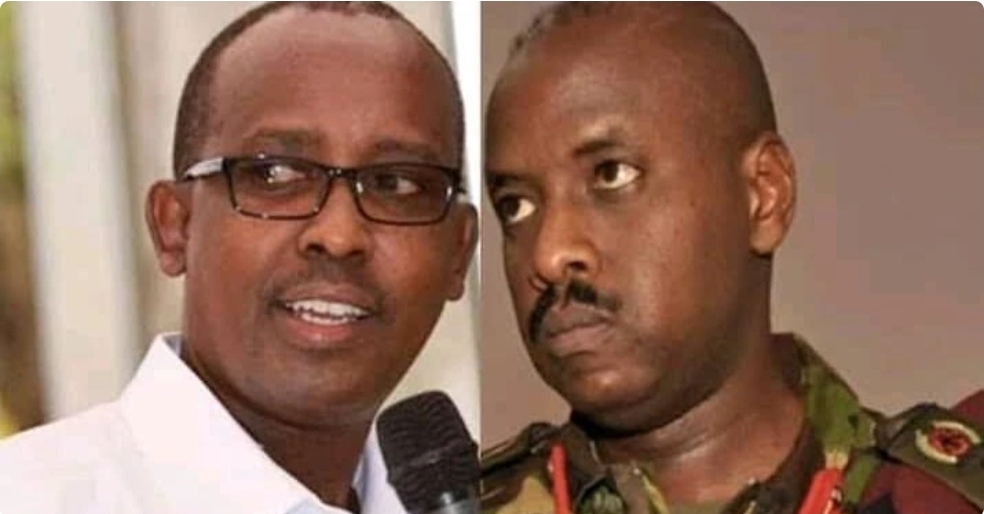 Rwabwogo Advised to ‘Eat His Bishop’ As MK Prepares to Enter State H’se: PREZ MUSEVENI ON HIS WAY OUT
Ultimate Uganda
Rwabwogo Advised to ‘Eat His Bishop’ As MK Prepares to Enter State H’se: PREZ MUSEVENI ON HIS WAY OUT
Ultimate Uganda
0 Comments