
Govt accused of ‘drops in ocean’ as OPM disburses Shs2.8b out of Shs80b cattle restocking fund
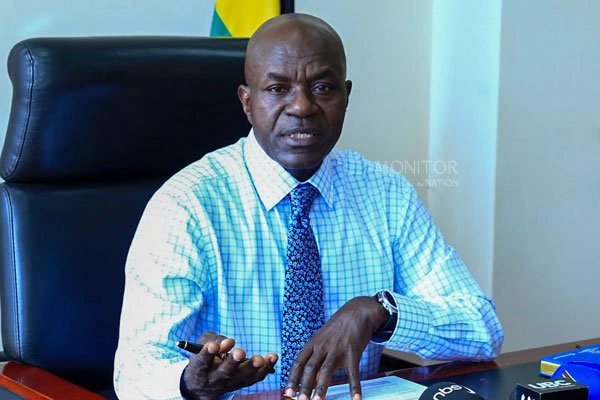

The Office of the Prime Minister (OPM) has commenced the disbursement of Shs2.8 billion under the long-awaited Shs80 billion national cattle restocking programme.
However, the intervention has faced immediate scrutiny, with critics and local leaders describing it as a "drop in the ocean" given the government’s decades-old unfulfilled compensation promises.
Out of 16,000 households targeted across the war-torn Acholi, Lango, and Teso sub-regions, only 559 households have received funding in the initial phase. This leaves over 15,400 registered families still waiting, even as the government races against a tight June 30 deadline to exhaust the funds before the close of the 2025/2026 financial year.
Under the current implementation guidelines, each verified beneficiary household is entitled to Shs5 million—an amount the government estimates is equivalent to purchasing five head of cattle. The intervention aims to restore livelihoods in communities where decades of insurgency, Lord’s Resistance Army (LRA) rebel activity, and rampant Karimojong cattle rustling systematically wiped out the regions' livestock economy.
For over two decades, President Museveni’s administration has promised full compensation and restocking for northern and eastern Uganda. Successive government programmes—including the Northern Uganda Social Action Fund (NUSAF) and various court-ordered compensation pledges totaling over Shs2 trillion—have been marred by bureaucratic delays, corruption scandals, and inadequate budgetary allocations.
Local leaders note that while the Shs80 billion allocation appears substantial on paper, it pales in comparison to the actual volume of livestock lost between the 1980s and early 2000s, which is estimated in the millions.
Mr Horace Bashaija, the Assistant Commissioner for Northern Uganda at the OPM, acknowledged the vast deficit but defended the phased approach.
The government has reiterated that it is distributing Shs80 billion to 16,000 households under a livestock restocking programme in Acholi, Lango, and Teso sub-regions.
According to Mr Alex Kakooza, the Permanent Secretary in the Office of the Prime Minister, each beneficiary… pic.twitter.com/kFp0PZMOHr
— Daily Monitor (@DailyMonitor) June 1, 2026
“We carried out an independent assessment of the restocking programme. The findings show that we still need to continue, because the need is extensive across the three sub-regions. On funding, we may need to do this in a phased manner, depending on the availability of resources over the financial years,†Mr Bashaija said.
He added that while Acholi, Lango, and Teso remain the primary focus due to their unique history of conflict-induced livestock depletion, other regions will remain excluded from the current phase.
In a departure from past restocking initiatives—which were heavily criticized for corruption, inflated procurement costs, and the supply of sick or low-quality breeds—the government has shifted to direct cash transfers.
Mr Alex Kakooza, the Permanent Secretary in the OPM, emphasized that this new model places the responsibility of purchasing livestock directly on the beneficiaries to foster ownership and stimulate local economies.
“We are giving money to individuals, and these individuals will go and look for animals on their own. Government is not buying cattle for them," Mr Kakooza stated.
Recognizing that the available Shs80 billion cannot cover all affected households, Mr Kakooza explained that strict verification metrics have been introduced to vet applicants. "Because this money is not enough, we prioritize the elderly, former abductees, female-headed households, and persons with disabilities,†he added.
The programme is being implemented through Parish Development Committees (PDCs), which vet beneficiaries before uploading their profiles onto the Parish Development Management Information System (PDMIS)—a digital portal managed by the Ministry of ICT.
Data from the OPM indicates that 11,504 beneficiaries (71.9 percent of the target) have been successfully uploaded onto the system. However, payments are lagging due to technical bottlenecks and slow verification processes at the local government level.
Mr Kakooza issued a stern warning to district leaders, noting that unspent funds risk being returned to the Consolidated Fund if the exercise is not completed by the end of June. Districts cited as lagging behind in data submission include Lamwo, Nwoya, Pader, and Agago.
“We must ensure timely verification and submission of beneficiary data. If funds are not spent within the required period, they risk being returned to the Treasury,†the Permanent Secretary warned.
To expedite payments and minimize middlemen, the OPM has partnered with PearlBank Uganda to disburse funds directly to verified beneficiaries using the Wendi mobile wallet platform, allowing for direct transfers to mobile money and bank accounts.
Beyond the financial deficits, experts are raising concerns over the sustainability of the project. Past restocking phases suffered high animal mortality rates due to a lack of veterinary support.
To address this, Mr Bashaija noted that local governments will be required to provide technical oversight.
“There are issues of extension workers coming in to support beneficiaries with skills transfer, how to care for the animals, watering, deworming, and vaccination, so that the animals remain productive,†he concluded.


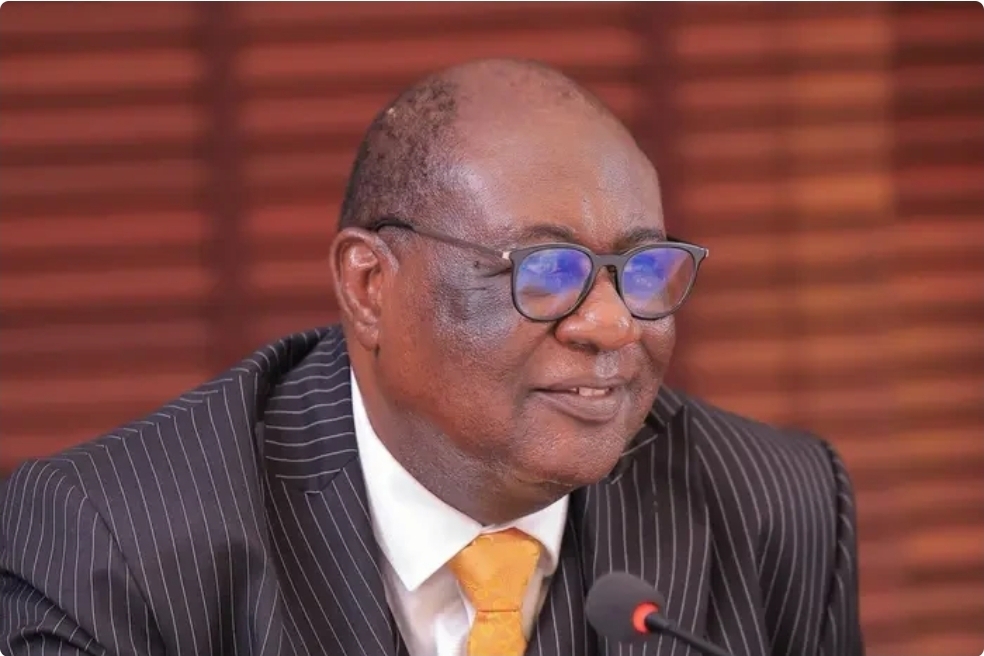 Government will not gazette Kijanangoma as King of Tooro for now - Attorney General insists
Ultimate Uganda
Government will not gazette Kijanangoma as King of Tooro for now - Attorney General insists
Ultimate Uganda
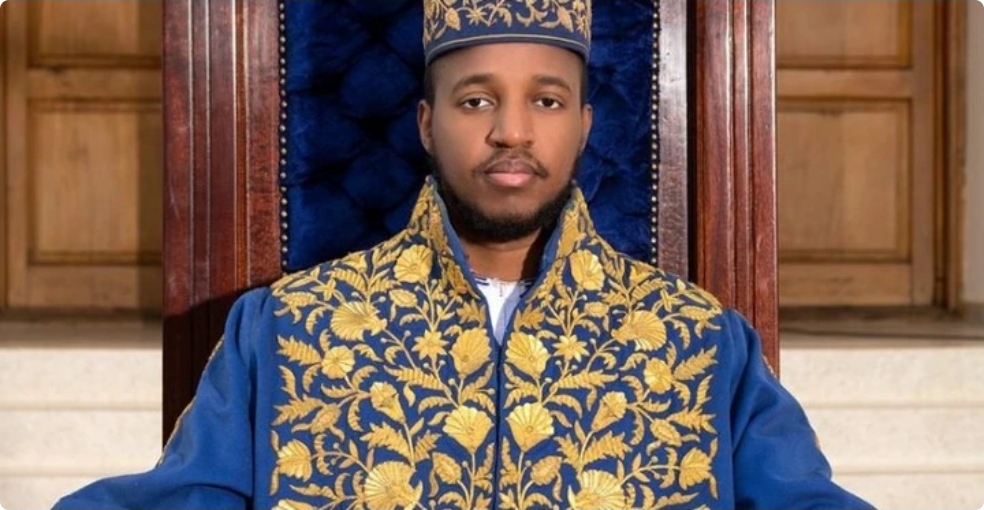 King Oyo’s Body to Arrive Thursday
Ultimate Uganda
King Oyo’s Body to Arrive Thursday
Ultimate Uganda
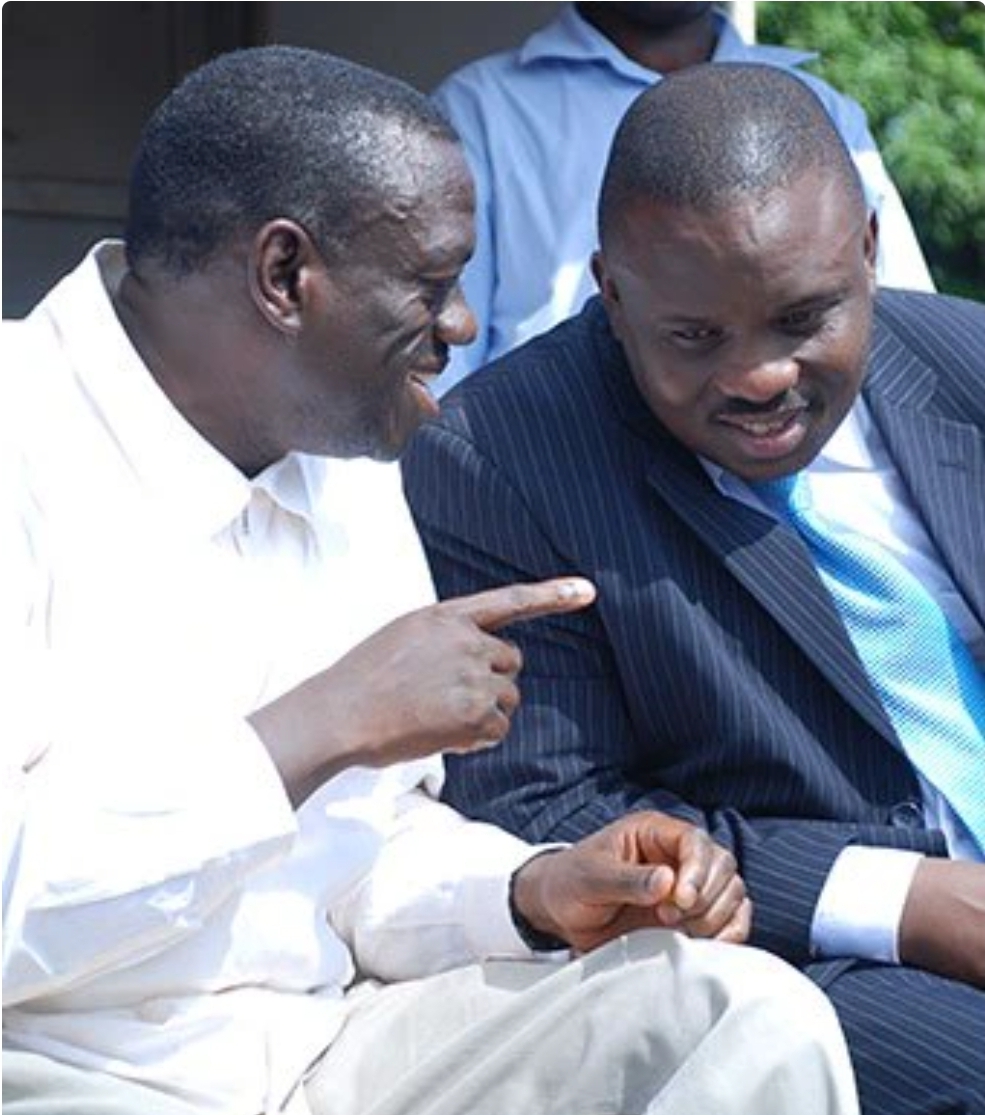 Besigye, Lukwago expected to meet Gen. Salim Saleh today at Kapeeke
Ultimate Uganda
Besigye, Lukwago expected to meet Gen. Salim Saleh today at Kapeeke
Ultimate Uganda
 Rwabwogo Advised to ‘Eat His Bishop’ As MK Prepares to Enter State H’se: PREZ MUSEVENI ON HIS WAY OUT
Ultimate Uganda
Rwabwogo Advised to ‘Eat His Bishop’ As MK Prepares to Enter State H’se: PREZ MUSEVENI ON HIS WAY OUT
Ultimate Uganda
0 Comments