
Government Rolls Out Centralized Procurement for Common User Items to Curb Waste and Corruption
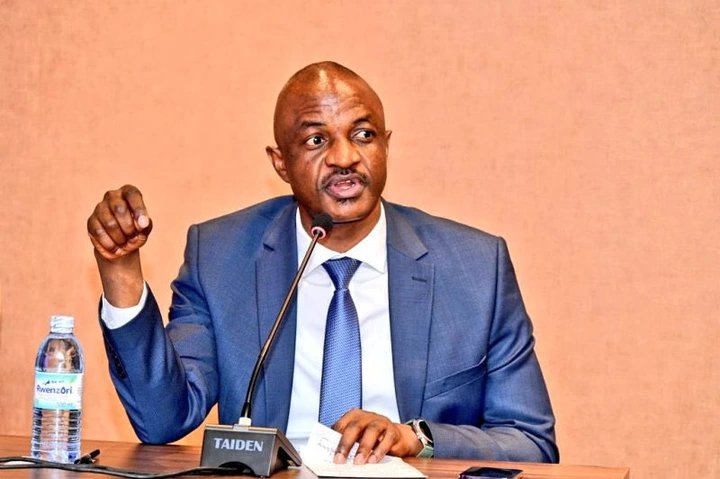

KAMPALA — In a sweeping bid to plug massive financial leaks and dismantle deeply entrenched syndicates, the Ministry of Finance, Planning, and Economic Development has announced a major procurement reform. Starting July 1, 2026, all Government Ministries, Departments, Agencies (MDAs), and Local Governments will be legally compelled to adopt collaborative, bulk purchasing for all common user items.
Under this strict new framework, everyday public essentials—ranging from office stationery and computers to utility vehicles and heavy equipment—will be acquired centrally on behalf of all requesting state entities.
The Permanent Secretary and Secretary to the Treasury (PSST), Dr. Ramathan Ggoobi, unveiled the directive as a decisive, non-negotiable intervention aimed at restoring fiscal discipline, maximizing value for taxpayers’ money, and curing the perennial vulnerabilities plaguing Uganda’s public procurement system.
Breaking the Broker Cartels
Speaking during a high-stakes budget engagement with senior accounting officers, Dr. Ggoobi underscored that the structural shift will completely eliminate redundant duplications, eradicate predatory overpricing, and enforce ironclad standardization of product quality.
“If Government is buying similar things like cars and computers, there is no need for each entity to hunt for independent bidders,†Dr. Ggoobi stated flatly. “We are aggregating demand to exploit massive economies of scale.â€
Beyond standardizing prices, the centralized strategy is engineered to drastically shrink procurement lead times—a classic bureaucratic loophole often weaponized by corrupt officials to justify emergency, single-source tendering. Crucially, the reform aims to systematically freeze out middlemen, brief-case brokers, and political fixers who have historically inflated invoice costs by triple-digit percentages.
Legacy Segmented Tendering New Centralized Framework (July 2026) Target Outcome
Entity-by-Entity Bidding Aggregated National Demand Secures lower unit costs via bulk volume leverage.
Unregulated Pricing Fixed Framework Contracts Eliminates inflated invoices and varying asset prices across MDAs.
Fragmented Oversight Centralized PPDA/Finance Monitoring Blocks avenues for kickbacks and localized bid-rigging.
Prolonged Lead Times Standardized Pre-Qualified Suppliers Speeds up government service delivery and curtails artificial delays.
Enforcing the Electronic Guardrails
This aggressive overhaul forms the baseline of the treasury’s broader agenda to transition Uganda entirely toward automated, transparent, and corruption-free public commerce. By utilizing centrally managed framework agreements, the state plans to redirect billions of shillings previously lost to fragmented tendering.
For over two decades, civil society organizations, anti-graft watchdogs, and independent analysts have heavily criticized Uganda’s public procurement protocols. Despite the regulatory oversight of the Public Procurement and Disposal of Public Assets Authority (PPDA), individual MDAs have frequently bypassed guidelines, resulting in multi-billion shilling losses through substandard deliveries and ghost suppliers.
With the July 1 deadline fast approaching, accounting officers have been put on notice: the era of localized, standalone shopping at the expense of the taxpayer is officially over. The success of this directive will now heavily rest on the strict enforcement of the Electronic Government Procurement (e-GP) system to ensure that bulk contracts remain insulated from human manipulation.


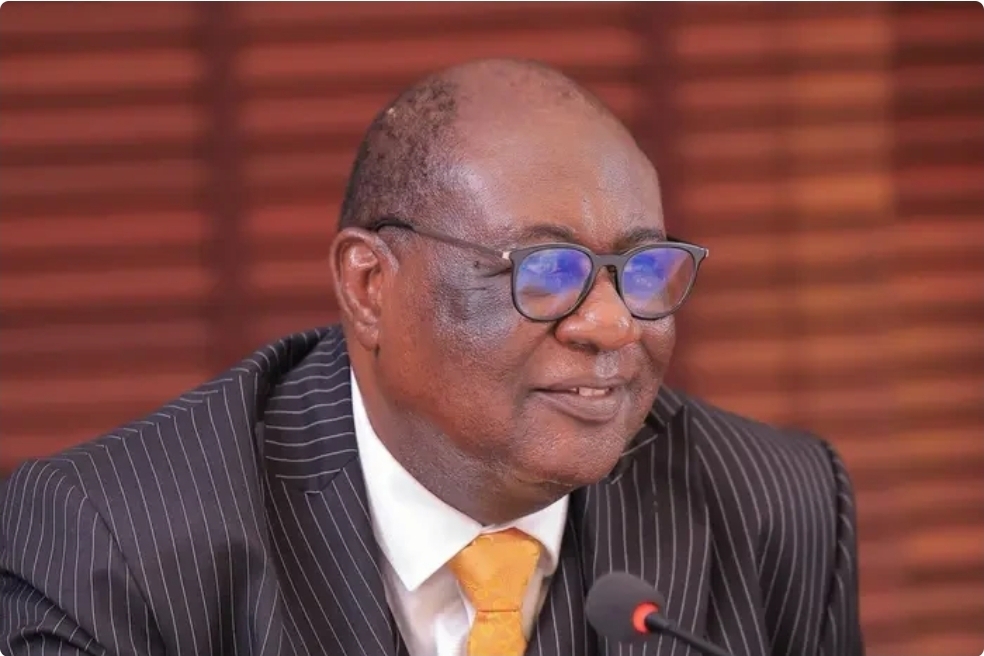 Government will not gazette Kijanangoma as King of Tooro for now - Attorney General insists
Ultimate Uganda
Government will not gazette Kijanangoma as King of Tooro for now - Attorney General insists
Ultimate Uganda
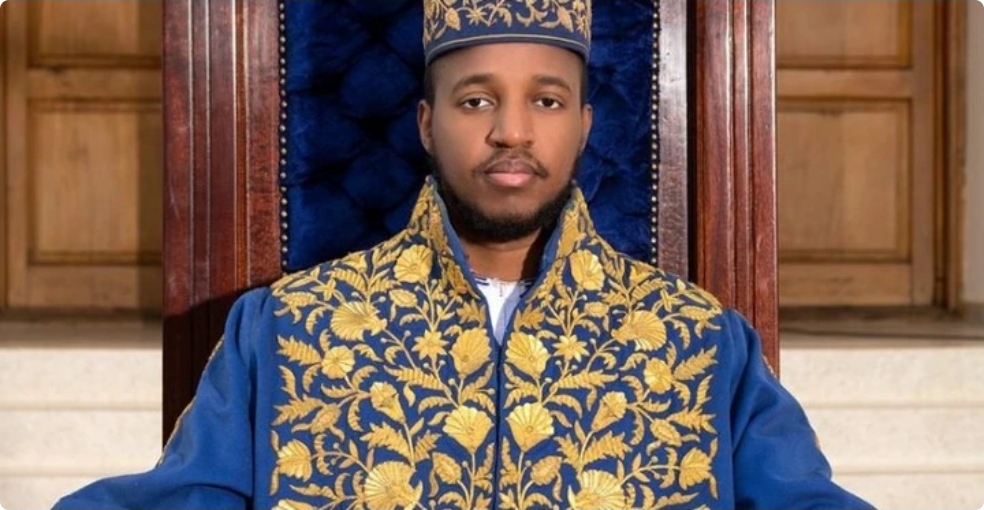 King Oyo’s Body to Arrive Thursday
Ultimate Uganda
King Oyo’s Body to Arrive Thursday
Ultimate Uganda
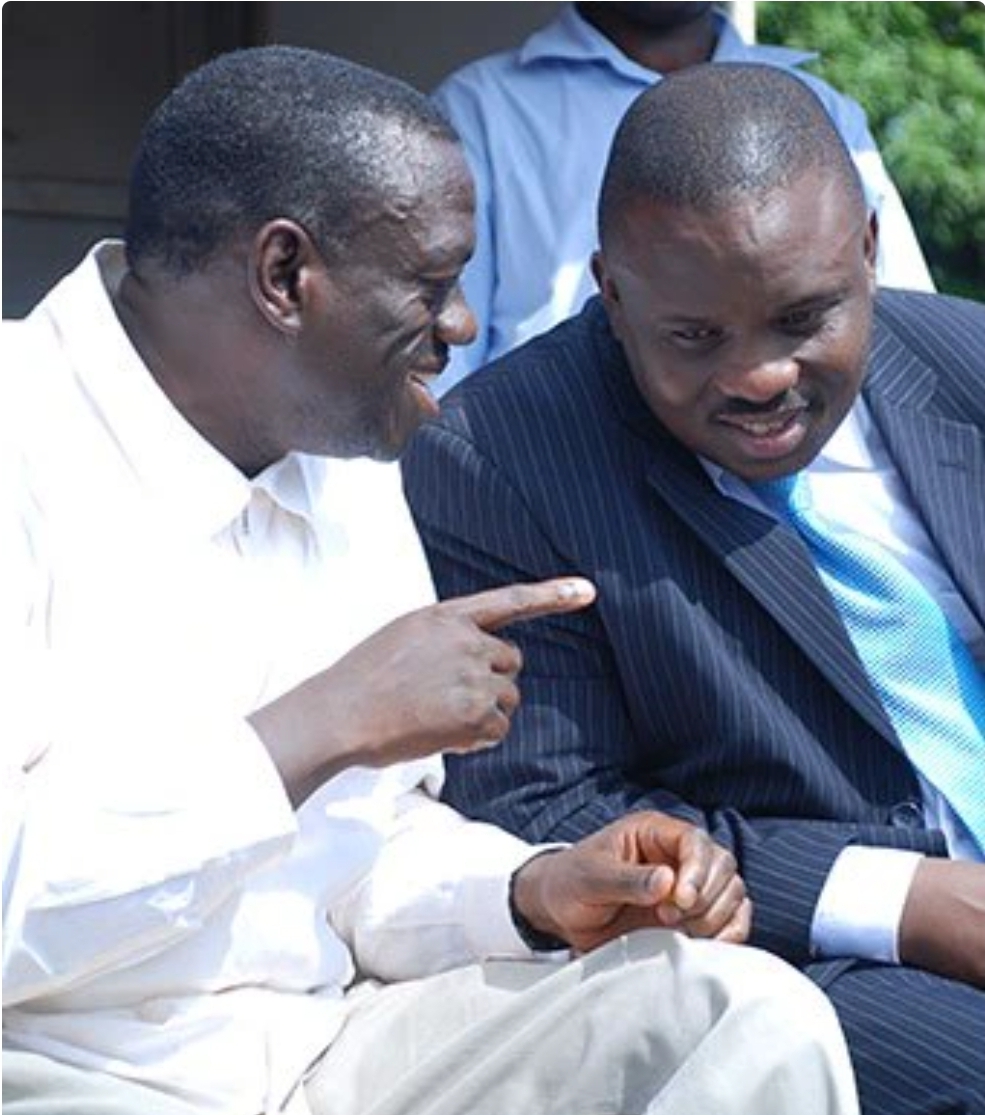 Besigye, Lukwago expected to meet Gen. Salim Saleh today at Kapeeke
Ultimate Uganda
Besigye, Lukwago expected to meet Gen. Salim Saleh today at Kapeeke
Ultimate Uganda
 Rwabwogo Advised to ‘Eat His Bishop’ As MK Prepares to Enter State H’se: PREZ MUSEVENI ON HIS WAY OUT
Ultimate Uganda
Rwabwogo Advised to ‘Eat His Bishop’ As MK Prepares to Enter State H’se: PREZ MUSEVENI ON HIS WAY OUT
Ultimate Uganda
0 Comments