
LG PS Kumumanya’s Anti-Corruption Push: What Every District Public Servant Must Understand
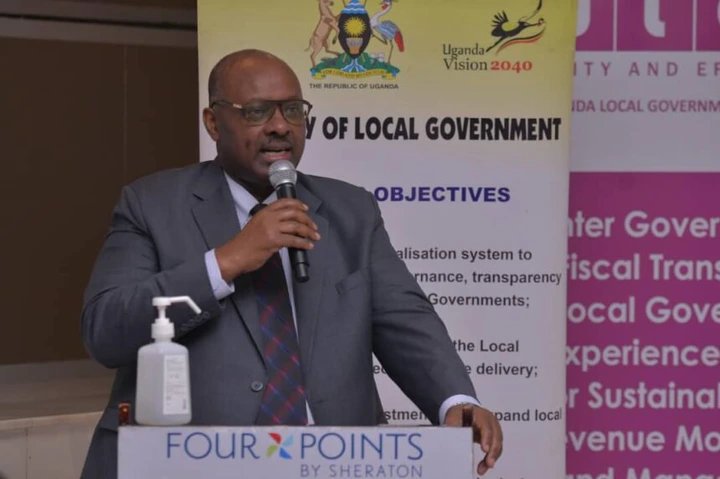

KAMPALA, UGANDA — Corruption remains one of the most persistent threats to effective governance, service delivery, and national development in Uganda. It undermines public trust, drains government resources, and compromises projects intended to improve citizens’ welfare. Over the past 26 years, President Yoweri Kaguta Museveni and the National Resistance Movement (NRM) government, alongside senior public officials including the Permanent Secretary for Local Government, Ben Kumumanya, have repeatedly called on public servants to uphold integrity and eliminate corruption in government institutions. Their renewed message comes at a time when Uganda continues to strengthen its legal and institutional frameworks to combat corruption and enhance accountability in public service delivery. Senior government figures, including Vice President Jessica Alupo, State Minister for Local Government Balam Barugahara, and other officials within the administration, have consistently emphasized zero tolerance for corruption in public office.
Growing Scrutiny and Public Concern
In recent months, public debate around corruption and accountability has intensified, with several high-profile officials facing scrutiny over alleged misuse of office and public resources. Although investigations remain ongoing in various cases, government institutions continue to emphasize due process, with anti-corruption agencies mandated to act independently in handling such matters. Observers note that these developments reflect growing public demand for accountability and transparency in leadership.
Legal Framework Governing Corruption in Uganda
Uganda’s legal framework treats corruption as a serious criminal offence under the 1995 Constitution, the Anti-Corruption Act, and the Local Government Act. These laws impose strict penalties on public officers who abuse office or misuse public resources for personal gain. Under the law, a public officer who knowingly issues false certificates or documents affecting the rights of others commits an offence punishable by imprisonment of up to three years, a fine, or both. Similarly, offences such as bribery, embezzlement, diversion of public funds, fraudulent procurement, nepotism, abuse of office, and unlawful disposal of public property attract criminal prosecution and penalties. Public officials, including Town Clerks, District officials, and other accounting officers, are legally required to uphold strict accountability standards in the execution of their duties.
Lessons from Past Corruption Cases
Uganda has experienced several corruption-related scandals over the years, resulting in prosecutions, dismissals, and significant financial losses. Cases such as procurement irregularities linked to international conferences and historical failures in public financial institutions have highlighted the devastating impact of corruption on national development. Analysts argue that such incidents continue to undermine public confidence and strain government resources, reinforcing the need for stronger accountability mechanisms. Permanent Secretary Ben Kumumanya has repeatedly emphasized that for Uganda to achieve its Vision 2040 development goals, corruption must be decisively eliminated, particularly within key administrative structures such as Chief Administrative Officers’ offices, Town Councils, and District leadership systems. He has also stressed that bribery of public officials, whether directly or indirectly, in exchange for votes, favors, or decisions, is illegal and must be rejected at all levels of public service. Town Clerks and other accounting officers have been cautioned against issuing directives influenced by personal gain, gifts, or any form of gratification, as this undermines public trust and legality. Concerns have also been raised over diversion and mismanagement of public resources, including cases where public land and property have allegedly been sold or allocated irregularly by officials seeking personal benefit.
The Local Government Act and Accountability Mechanisms
The Local Government Act provides a comprehensive framework for promoting transparency and accountability within local government systems. It provides for regular financial audits, oversight by the Inspectorate of Government (IGG), investigation of corruption allegations, monitoring of public expenditure, removal of corrupt or incompetent officials, and merit-based recruitment through District Service Commissions. These mechanisms are designed to ensure that public resources are properly managed and reach intended beneficiaries. The law also empowers oversight bodies to investigate, prosecute, and recommend disciplinary action against officials implicated in corruption or abuse of office.
Role of Anti-Corruption Institutions
Uganda has established several institutions mandated to combat corruption and promote good governance, including the Inspectorate of Government, Office of the Auditor General, Parliament’s Public Accounts Committee, District Public Accounts Committees, District Service Commissions, and the Uganda Police Anti-Corruption Unit. These institutions play a critical role in auditing public funds, investigating allegations, recovering misappropriated resources, and recommending prosecution of offenders.
Penalties for Corruption Offences
Under the Anti-Corruption Act, individuals convicted of corruption-related offences face severe penalties, including imprisonment of up to ten years or more depending on the offence, heavy fines, recovery of unlawfully acquired assets, dismissal from public service, and compensation for financial losses caused. Importantly, liability may still apply even where a corrupt transaction was attempted but not completed.
Corrupt Practices Public Servants Must Avoid
Public servants are strongly advised to avoid accepting bribes or gifts intended to influence decisions, embezzling public funds, falsifying official records, engaging in irregular procurement practices, nepotism and favoritism in recruitment, abuse of authority, diversion of government resources, unauthorized expenditure approvals, and concealment of financial information during audits.
Call for Integrity and National Development
As Uganda pursues economic transformation and industrialisation, Permanent Secretary Ben Kumumanya has reiterated that integrity within public institutions is essential for achieving sustainable development. President Museveni’s administration has consistently maintained that corruption is not only a legal offence but also a direct attack on national development and economic growth. Government leaders emphasize that public servants must embrace accountability, transparency, and ethical leadership if Uganda is to achieve its long-term development objectives. Recent government recruitment exercises across districts such as Mukono, Masaka, Lira, and Soroti have been cited as examples of efforts to promote transparency in public service employment. Authorities insist that merit-based recruitment must remain free from nepotism and corruption, ensuring equal opportunity for qualified candidates. Officials such as Ben Kumumanya have reportedly intensified efforts to tighten oversight on recruitment processes, public projects such as the Parish Development Model and Operation Wealth Creation, to ensure accountability and proper utilisation of public funds.
Conclusion
The fight against corruption remains central to Uganda’s governance and development agenda. Authorities argue that strengthening accountability systems, enforcing the law, and promoting ethical leadership are essential steps toward safeguarding public resources. Ultimately, public servants are reminded that understanding corruption offences is not only a legal obligation but also a safeguard for their careers, integrity, and public trust. The message from government leadership is clear: the fight against corruption begins with individual responsibility and unwavering commitment to the public good.


 Government will not gazette Kijanangoma as King of Tooro for now - Attorney General insists
Ultimate Uganda
Government will not gazette Kijanangoma as King of Tooro for now - Attorney General insists
Ultimate Uganda
 King Oyo’s Body to Arrive Thursday
Ultimate Uganda
King Oyo’s Body to Arrive Thursday
Ultimate Uganda
 Besigye, Lukwago expected to meet Gen. Salim Saleh today at Kapeeke
Ultimate Uganda
Besigye, Lukwago expected to meet Gen. Salim Saleh today at Kapeeke
Ultimate Uganda
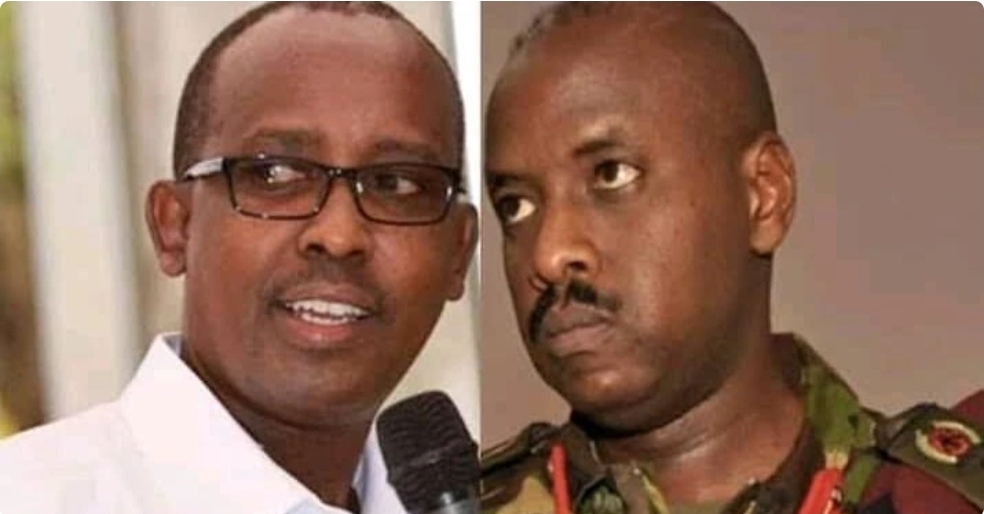 Rwabwogo Advised to ‘Eat His Bishop’ As MK Prepares to Enter State H’se: PREZ MUSEVENI ON HIS WAY OUT
Ultimate Uganda
Rwabwogo Advised to ‘Eat His Bishop’ As MK Prepares to Enter State H’se: PREZ MUSEVENI ON HIS WAY OUT
Ultimate Uganda
0 Comments